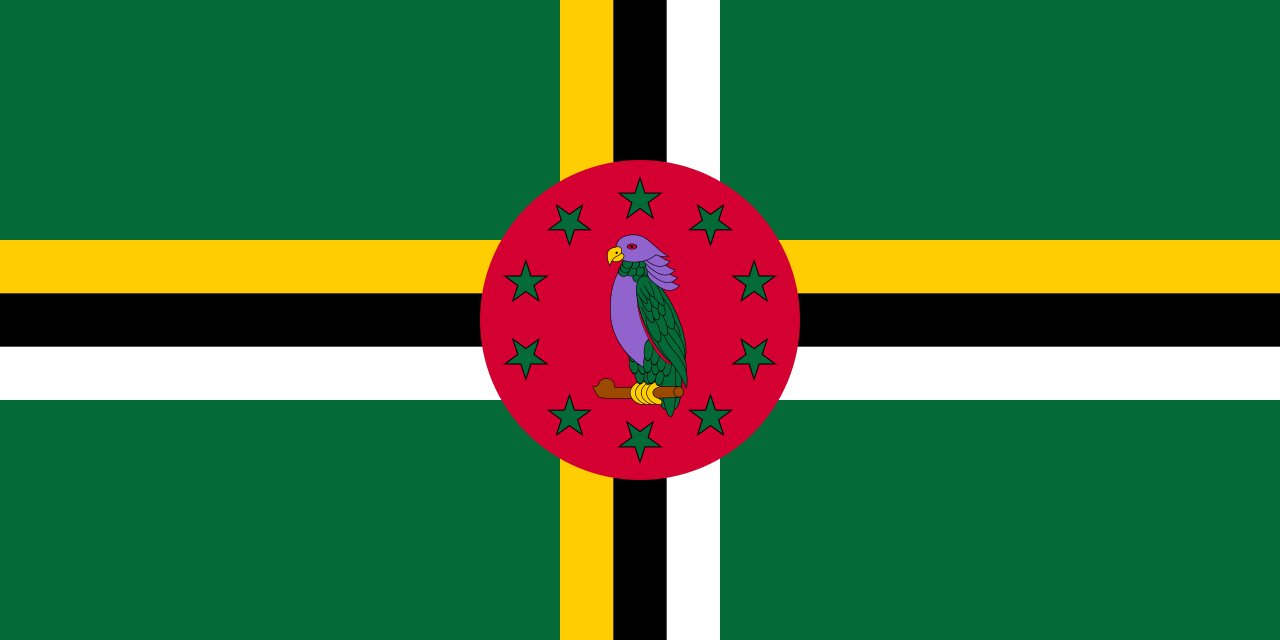
Dominica's geothermal power plant is now in commercial operation, President Her Excellency Sylvanie Burton has told the United Nations, describing the milestone as a major step in the country's transition away from imported fossil fuels.
In her address to the UN, President Burton presented the plant as evidence of Dominica's commitment to renewable energy and to reducing the heavy cost that imported fuel places on a small island economy. The plant, developed in the Roseau Valley, draws on the island's volcanic resources to generate baseload electricity.
Commercial operation means the plant is now producing power for sale and feeding the national grid, rather than operating only as a test or pilot facility. For Dominica, that shift carries direct consequences for the Eastern Caribbean dollar spent each year on diesel and other imported fuels, and for the stability of electricity supply.
The announcement places Dominica among Caribbean states seeking to cut their dependence on fossil fuel imports through geothermal development. The island's volcanic geology gives it an advantage in the region, and the plant has long been viewed as a project of national importance.
President Burton used the UN platform to link the plant to the wider challenges facing small island developing states, including climate change, debt and energy security. Her message was that Dominica is acting on its own transition rather than waiting on larger economies.
Details of the plant's output, the terms of its commercial agreements and the share of national demand it meets were not set out in the address. What is confirmed is that the facility is now in commercial operation, a status that follows years of exploration, drilling and construction in the Roseau Valley.
For households and businesses, the practical question is what commercial operation will mean for electricity costs and reliability over time. Geothermal power is generally less exposed to the price swings of imported fuel, though the benefits depend on how the plant is integrated into the grid and how the utility manages its overall mix.
The government has consistently presented geothermal energy as central to its economic strategy, alongside agriculture, fisheries and tourism. A working geothermal plant supports that strategy by offering a domestic source of power and by strengthening the case for energy-intensive investment.
Dominica's geothermal resource has also been discussed in the wider Eastern Caribbean as a potential source of power for neighbouring islands through interconnection. That remains a longer-term prospect, but commercial operation at home is a necessary first step.
President Burton's address to the UN gives the project international visibility at a time when small islands are pressing for climate finance and support for renewable energy. By confirming commercial operation, she has signalled that Dominica intends to be counted among those delivering on the transition, not only calling for it.
3