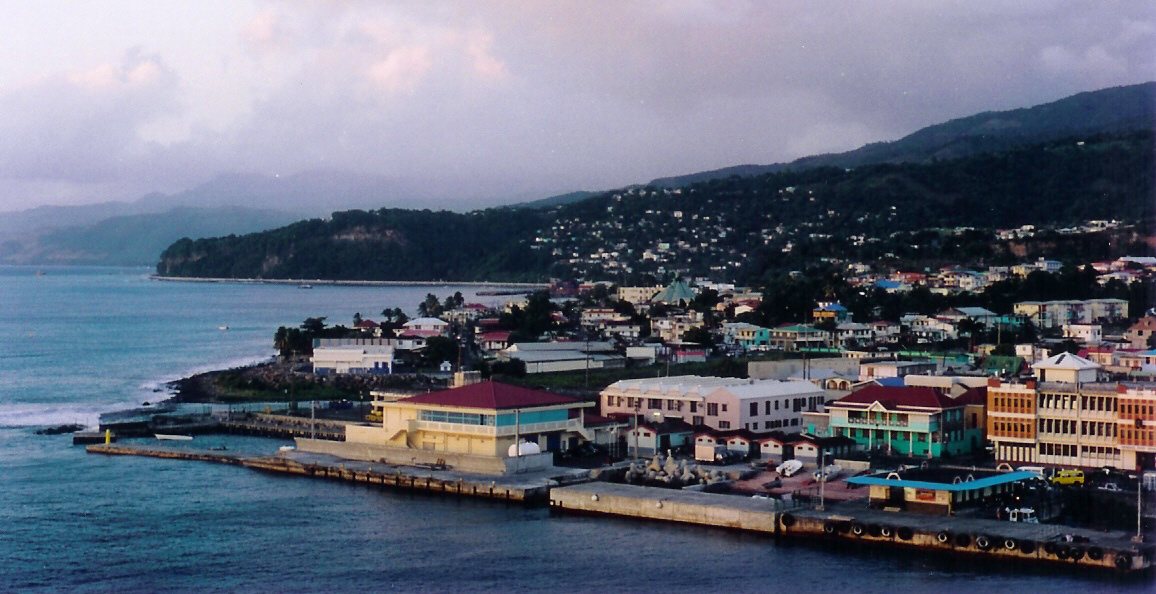
The Potters Fishers Group and the Roseau Fisherfolk are set to benefit from a new initiative designed to improve access to offshore fishing resources in Dominica. The project centres on the development of a community-owned Fish Aggregating Device, known as a FAD, which is expected to strengthen food security and create more sustainable livelihood opportunities for fishers.
Fish Aggregating Devices are floating structures anchored in deeper waters that attract fish, allowing fishers to reach productive offshore grounds without spending long periods searching for catch. By placing the device under community ownership, the project aims to ensure that the benefits are shared among fishing groups rather than concentrated with individual operators, and to give fisherfolk a stake in managing a resource that supports their families and the wider local market. Because the device sits away from the shore, it can also draw fishing activity away from nearshore waters, where pressure on catches is often heaviest.
The initiative is framed around two closely linked goals. The first is food security, since reliable access to fish supports household nutrition and reduces dependence on imported protein. The second is livelihood sustainability, as more predictable catches can help fishers plan their trips, manage fuel and equipment costs and build a steadier income across the year. For many coastal families, a single poor week at sea can mean lost income for food, school fees and boat maintenance, so a more dependable offshore catch carries weight beyond the boats themselves. Fishing remains an important part of community life along Dominica's coastline, and projects of this kind are intended to help those who depend on the sea adapt to changing conditions.
The Potters Fishers Group and the Roseau Fisherfolk are the two named beneficiaries of the project. Their involvement reflects the community-based approach at the heart of the initiative, which seeks to place decision-making and ownership with the fishing groups themselves. Community ownership also means that members will need to agree on how the device is looked after, how access is shared and how any returns from the fishery are divided, arrangements that will shape how well the project serves its members over time. Details of the implementation timeline, the exact cost of the device and the specific arrangements for maintenance and management of the FAD were not set out in the information available to this newsroom.
Dominica's fisheries sector is small in scale but significant for coastal communities, providing employment, supplying local markets and sustaining traditional knowledge of the sea. Initiatives that improve access to offshore resources can ease pressure on nearshore waters and give fishers options when inshore catches are low. Offshore fishing also depends on safe operations, since trips further from the coast require reliable boats, navigation and communication, and fishers in the two groups will be watching closely how the device performs once it is in place. As the project moves forward, attention will likely turn to how it is managed, how benefits are distributed among members of the participating groups, and how it affects the day-to-day work of fishers in Potters and Roseau.
5