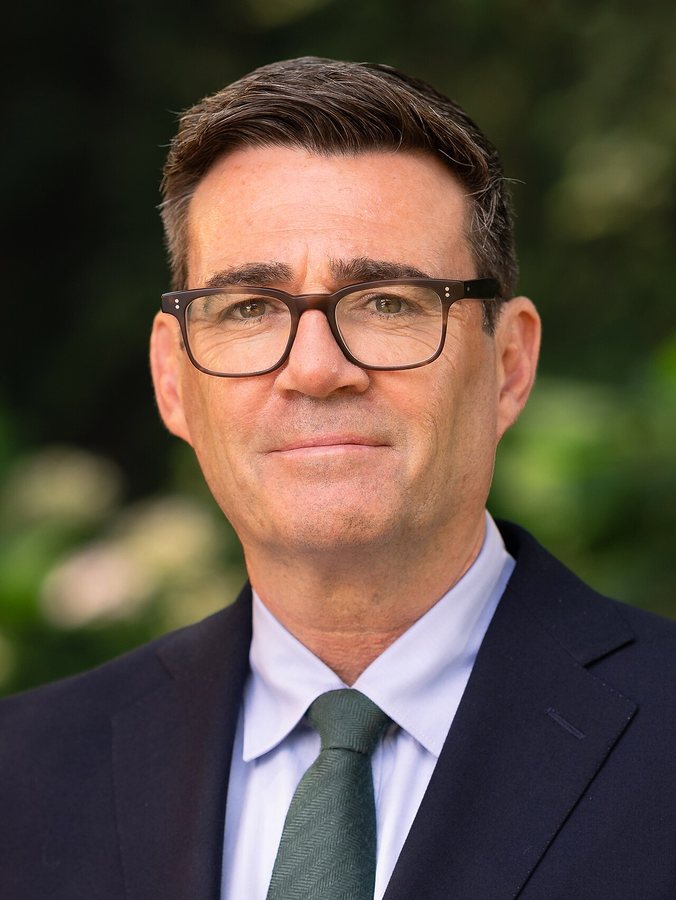
British Prime Minister Andy Burnham has gone further than any of his predecessors towards offering a formal apology for Britain’s role in the transatlantic slave trade. In a Guardian article published ahead of a Commonwealth leaders’ summit, where the subject is expected to dominate, he said he was open to calls for an official apology on behalf of the state.
Mr Burnham said he would offer formal talks to those affected, including individual Commonwealth countries and campaign groups at home and abroad. He is due to fly to the Caribbean next week, and the question of how Britain confronts its history of enslavement is expected to feature heavily in discussions with leaders from the region.
Alongside the apology question, the prime minister is preparing a drive to restructure the debt of the poorest Commonwealth countries. The initiative is intended to ease the financial burden on some of the most heavily indebted states in the grouping, many of them in the Caribbean and Africa, where the legacy of slavery and colonial rule continues to shape economic realities. The debt initiative is being presented as a practical measure that sits alongside the wider question of historical acknowledgement.
Mr Burnham was clear, however, that he does not accept demands for reparations. Writing in the Guardian, he argued that British people cannot be made to pay for the wrongs of slavery, but said the country must confront its complicated history openly and honestly. He framed the issue as one of acknowledgement and dialogue rather than financial liability, a distinction that he presented as central to his approach.
The difference between an apology and reparations has been at the centre of the debate for years. Campaigners and several Caribbean governments have pressed for both, arguing that a formal statement from the state would acknowledge the suffering of enslaved people and their descendants. Successive British governments have previously expressed regret for slavery without issuing a formal apology on behalf of the state, leaving the matter unresolved and giving rise to repeated calls from advocacy groups in Britain and across the Commonwealth.
The Commonwealth summit gives the issue a wider platform than a bilateral meeting would. Member states across the Caribbean have long campaigned on reparatory justice, and the outcome of the talks will be watched closely by governments and communities in the region, including in Dominica, where the history of enslavement is part of the shared heritage of the island’s people. Mr Burnham’s offer of formal engagement marks a notable shift in tone, although no date has been set for any apology, and the scope and format of the proposed talks have yet to be detailed.
For many in the diaspora, the question is less about money than about recognition. Advocates have argued that an official apology would give formal weight to decades of community campaigning, and that it would send a message to younger generations about how the nation understands its past. Whether the Commonwealth summit produces concrete commitments on either the apology or the debt initiative will become clearer once the leaders meet and the talks begin.
3