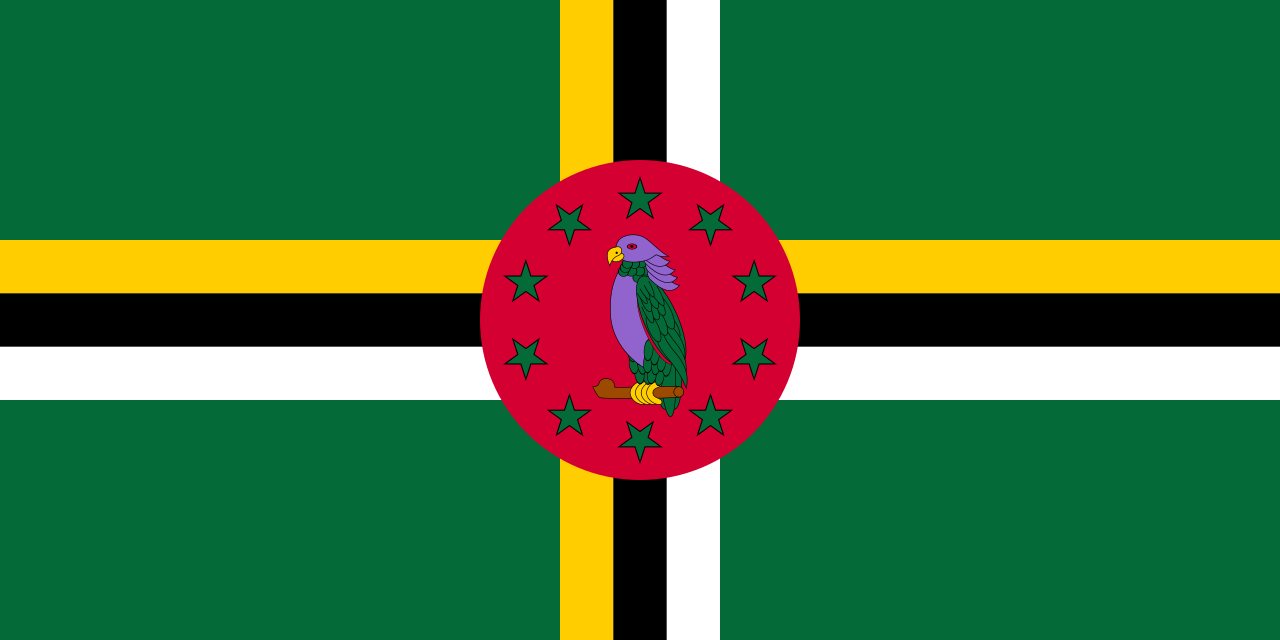
Dominica is one of four Caribbean countries that can now draw on a new regional facility designed to help governments overcome delays and move climate-resilient infrastructure projects from investment planning into construction.
The facility is open to Dominica, Grenada, St Lucia and St Vincent and the Grenadines, according to the arrangement announced for the four states. Its purpose is to address the bottlenecks that have long held back public projects in the Eastern Caribbean, where small administrations often struggle to prepare, finance and deliver large works on time.
For Dominica, the Nature Isle, the facility speaks directly to a recovery and resilience agenda that has been central to national life since Hurricane Maria in 2017. The island has rebuilt roads, bridges, health centres, schools and the Douglas-Charles Airport corridor with an emphasis on standing up to stronger storms, and it has pursued geothermal energy as a cleaner and more secure source of electricity.
Those efforts depend on projects reaching the construction stage. Too often, projects stall between the drawing board and the first shovel because of limited technical capacity, slow procurement, complex financing arrangements and the sheer volume of documentation required by international lenders.
The new facility is intended to help governments work through those obstacles so that climate-resilient projects can move from investment planning to implementation. That focus on the pipeline — rather than on any single project — reflects a wider recognition in the region that the ability to prepare and manage projects is itself a form of resilience.
Grenada, St Lucia and St Vincent and the Grenadines share Dominica's exposure to hurricanes, flooding, landslides and coastal erosion, and they face similar constraints: small populations, thin technical teams and competing demands on national budgets. A regional approach allows the four countries to share expertise and reduce the cost of preparing projects individually.
The Eastern Caribbean dollar, the common currency of the sub-region, and the countries' membership in the Organisation of Eastern Caribbean States and CARICOM already provide a framework for this kind of cooperation. Infrastructure that crosses sectors — transport, water, energy, health and education — is a recurring priority for all four governments.
For residents, the practical effect will be measured in how quickly priority works are delivered. A facility that shortens preparation times can help ensure that roads are rebuilt to better standards, that water systems withstand drought and storm, and that public buildings serve as safer shelters when warnings are issued.
Dominica's own experience has shown how costly delay can be. Reconstruction after Maria took years, and the island has repeatedly emphasised the need for faster access to concessional finance and for simpler procedures that recognise the scale of loss a single storm can inflict on a small island economy.
The facility is regional in design but national in application. Each government will bring its own list of priority projects, and each will be responsible for the choices it makes. What the arrangement offers is support in getting those choices ready for investment and construction.
Officials have not yet published a full list of projects that will be submitted under the facility. As details emerge, the test will be whether the support translates into visible works in communities from Portsmouth to Grand Bay and the Kalinago Territory — and whether the region's infrastructure is better able to face the next hurricane season.