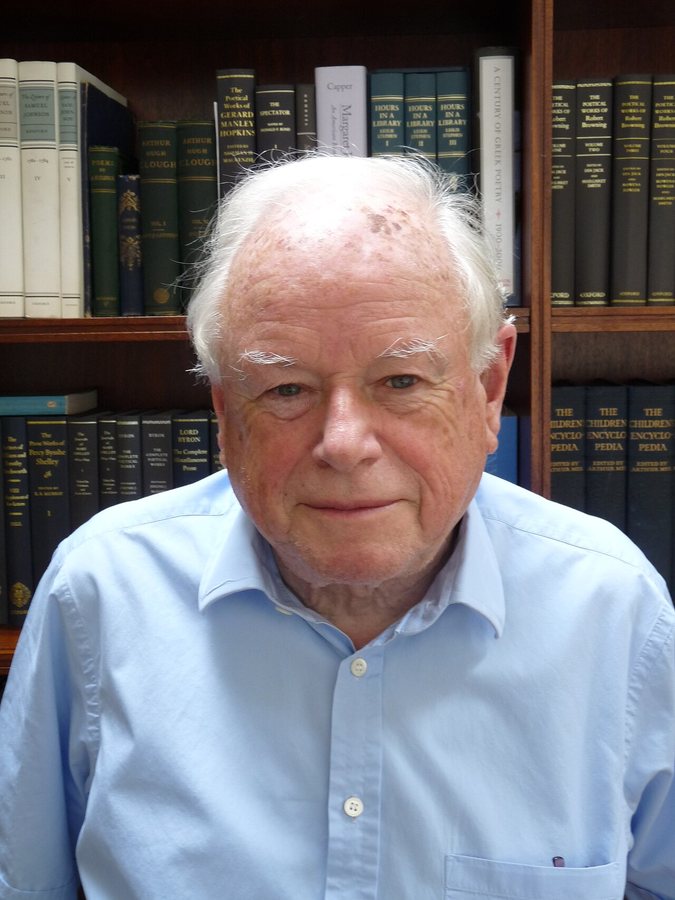
CASTRIES, St. Lucia — Former St. Vincent and the Grenadines Prime Minister Dr. Ralph Gonsalves has said that St. Lucia's journey since attaining universal adult suffrage 75 years ago «has not been without its immense challenges», as the island marked the milestone with a special sitting of its Parliament.
Gonsalves, a veteran Caribbean statesman and constitutional scholar, delivered the keynote address at the commemorative sitting in Castries on Monday, where legislators and invited guests gathered to reflect on the significance of the 1951 achievement that extended the vote to all adults in St. Lucia.
Universal adult suffrage, introduced across much of the British Caribbean in the post-war period, transformed the political landscape of the region by removing property and gender barriers to voting. St. Lucia's 75th anniversary of that reform has prompted reflection across the Windward Islands on how far representative government has come and what remains to be done.
In his address, Gonsalves acknowledged the progress made since 1951 but was candid about the difficulties encountered along the way. He framed the anniversary as an occasion for both celebration and honest assessment, noting that the path from colonial administration to full self-government and independence was neither smooth nor straightforward.
The former St. Vincent prime minister, who served as his country's leader for more than two decades and remains an influential voice in regional affairs, is known for his detailed knowledge of Caribbean constitutional history. His remarks carried particular weight in a region where several islands are currently debating constitutional reform, electoral modernisation and the structure of their parliamentary systems.
St. Lucia, like its OECS neighbours, gained universal adult suffrage in the early 1950s as part of a wider wave of democratic reform across the British West Indies. The change paved the way for the ministerial system, internal self-government and eventually political independence, which St. Lucia achieved in 1979.
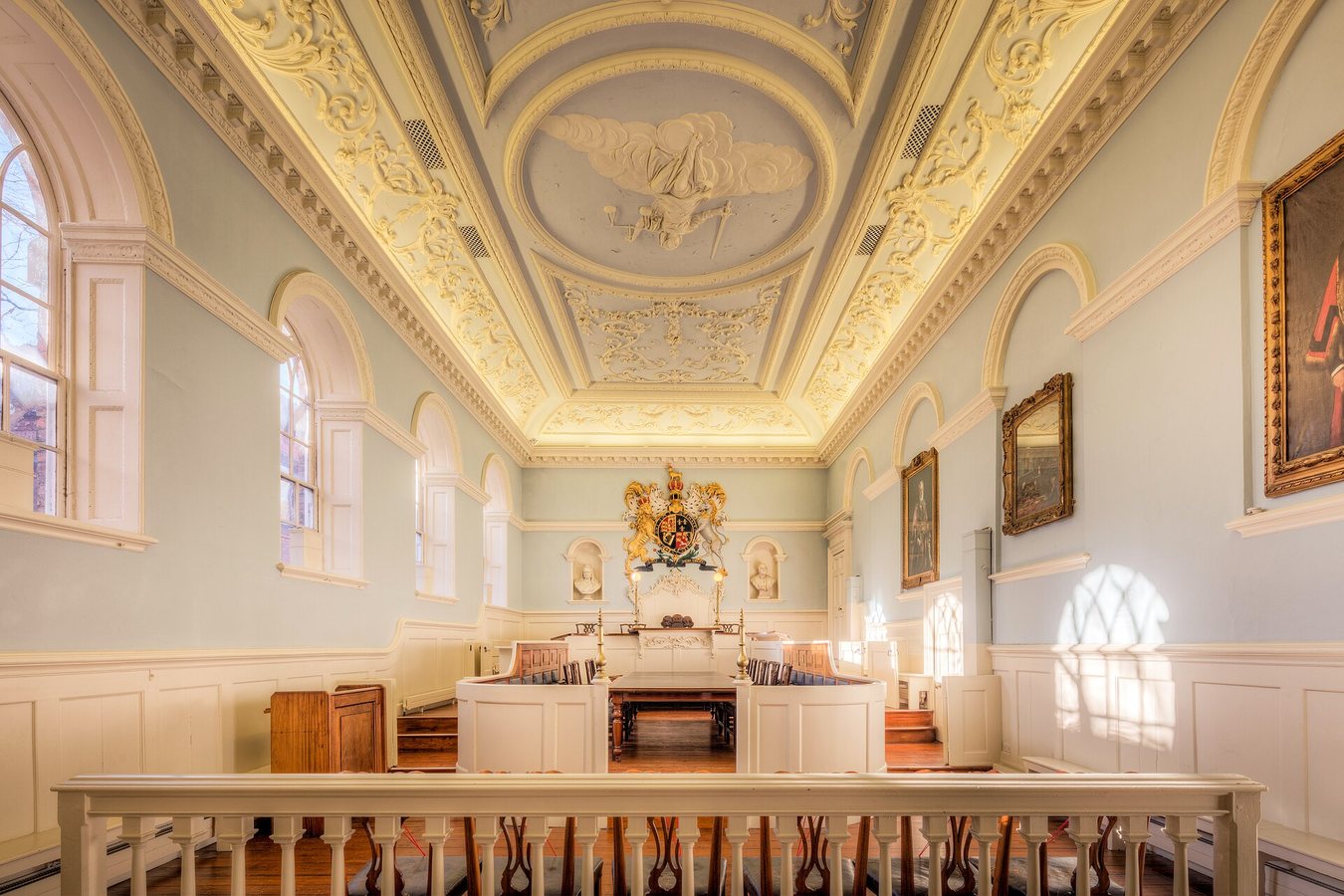
The special parliamentary sitting drew attention to the role of the House of Assembly as the central institution of St. Lucian democracy. Speakers at the event reflected on the expansion of the franchise as a foundation for the modern political life of the island, while acknowledging that public confidence in institutions remains a live concern across the Caribbean.
Gonsalves's remarks come amid continuing regional discussion about the health of democratic governance in the Eastern Caribbean. Issues such as voter participation, campaign finance, the role of the opposition and the responsiveness of elected representatives have featured in public debate in several islands in recent years.
For Dominica and its OECS partners, the St. Lucia commemoration highlights shared political heritage. Dominica, too, experienced the gradual extension of voting rights under British colonial rule before achieving associated statehood in 1967 and independence in 1978, one year before St. Lucia.
The anniversary sitting in Castries served as a reminder that universal adult suffrage was not an end in itself but the beginning of a longer project of building democratic institutions that serve all citizens. Gonsalves's message — that the journey has been marked by immense challenges — resonated with that theme.
No new policy announcements emerged from the commemorative event, which was ceremonial in nature. But the occasion placed the region's democratic evolution in the spotlight and underscored the continuing relevance of the 1951 reform to contemporary Caribbean politics.
1