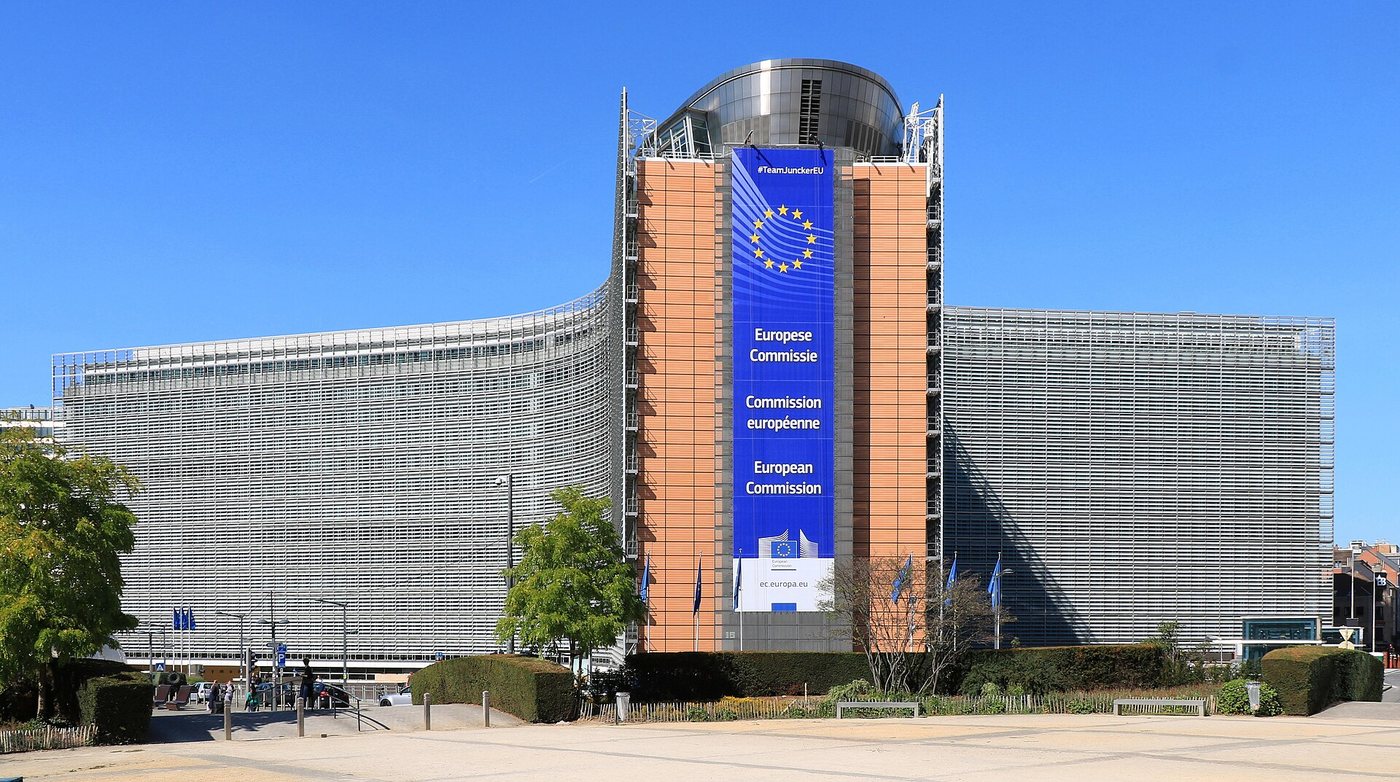
Prime Minister Philip J. Pierre has pressed the case for Eastern Caribbean citizenship by investment programmes in direct talks with the European Commissioner for Internal Affairs and Migration, Magnus Brunner, as the region seeks a workable transition away from the schemes the European Commission wants discontinued.
The meeting was held at the EU Mission to the United Nations in New York, on the margins of the 81st United Nations General Assembly. Prime Minister Pierre was joined by the Prime Minister of Antigua and Barbuda, Gaston Browne, the Governor of the Eastern Caribbean Central Bank, Timothy Antoine, and the Director General of the Organisation of Eastern Caribbean States, Dr. Didacus Jules, along with other European Union officials.
At the centre of the discussion was the European Commission's request that Eastern Caribbean countries operating citizenship by investment programmes phase them out by June 2028. The request has prompted months of engagement between regional governments and Brussels over how such a withdrawal could be managed without destabilising the economies that depend on the revenue.
The Prime Ministers reiterated that citizenship by investment programmes remain an important source of development financing for the OECS countries that operate them. The schemes, which grant citizenship to foreign investors in return for a qualifying contribution or property purchase, have funded infrastructure, debt reduction and social programmes across the sub-region.
Both leaders also underscored the need for continued dialogue with the EU on a transition path forward, one that takes account of EU security concerns while remaining realistic about the economic realities of the region. That framing signals the regional position: the concerns raised in Brussels are acknowledged, but any exit must be paced and supported rather than abrupt.
The presence of the Eastern Caribbean Central Bank Governor and the OECS Director General alongside the two Prime Ministers reflects the breadth of the region's interest in the outcome. The programmes touch public finances, banking arrangements and the wider investment climate of the currency union, not only the immigration and security questions raised by the European Commission.
No timeline beyond the June 2028 date was announced following the meeting, and no joint statement setting out specific transition measures was released. The talks are the latest in a series of high-level contacts between Caribbean governments and EU officials as the deadline approaches.
For Dominica and its OECS neighbours, the discussions carry direct consequences for development financing. The Prime Ministers' insistence on continued engagement suggests the region will keep pushing for arrangements that protect its economic interests while addressing the security and due diligence concerns that prompted the European Commission's request.
Further meetings between regional officials and EU representatives are expected as both sides work towards a transition path, though no date has been confirmed.
2