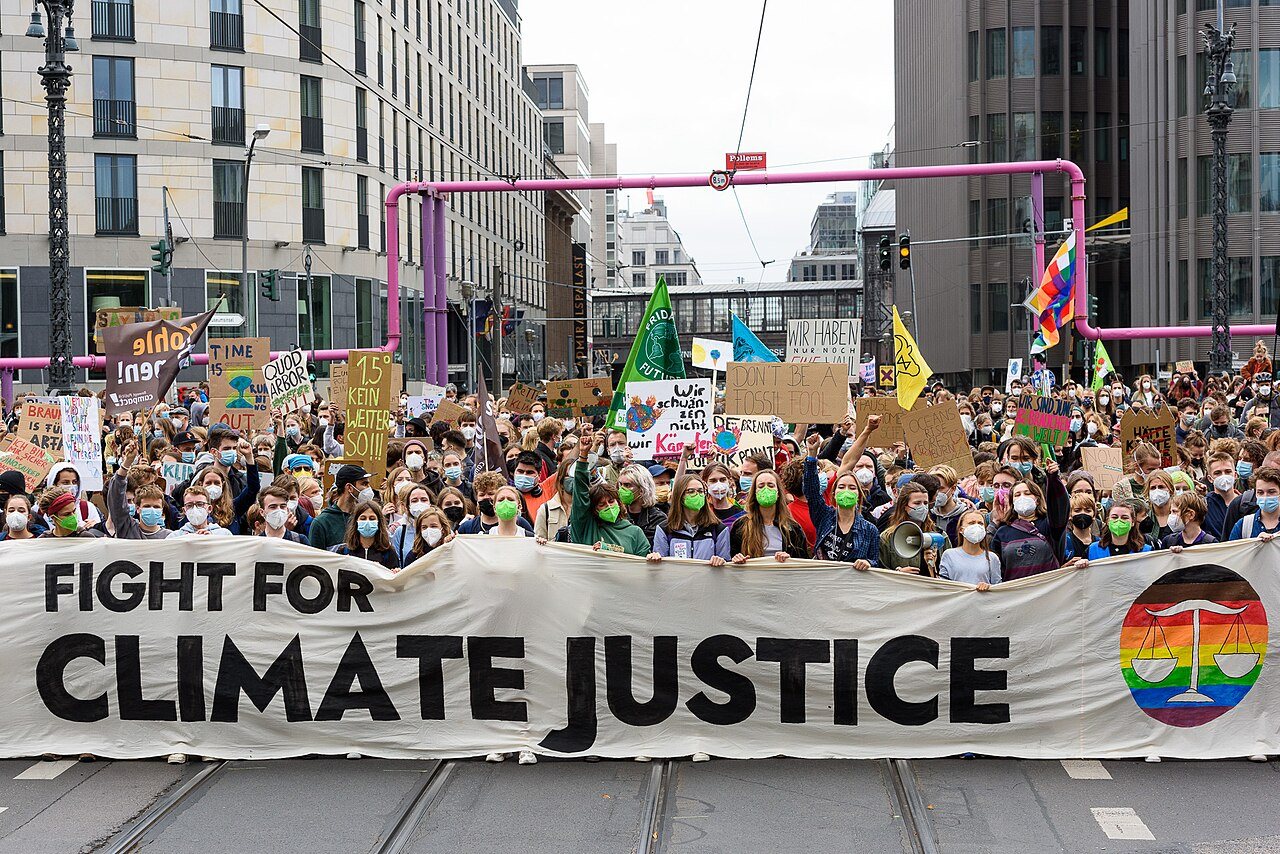
Six civil society organisations across the Caribbean are receiving small grants to support grassroots climate justice advocacy and help communities have a stronger voice in decisions affecting their environment and resilience. The Caribbean Natural Resources Institute (CANARI) is supporting the initiative, which aims to strengthen local participation in environmental decision-making at a time when the region faces mounting pressures from climate change.
The grants are designed to help community-based groups engage more effectively in policy discussions and advocate for solutions that protect the region's natural resources. The selected organisations work on issues ranging from coastal protection and sustainable livelihoods to disaster preparedness and the preservation of ecosystems that many Caribbean communities depend on.
The funding comes as Small Island Developing States (SIDS) continue to press for stronger global action on climate change. The Alliance of Small Island States (AOSIS) has repeatedly warned that the 1.5°C temperature limit agreed under the Paris Agreement is not an arbitrary goal but a threshold grounded in the need to protect people and the planet from the most dangerous impacts of warming. For Caribbean nations, the risks are not distant projections but unfolding realities, including sea-level rise, coral reef degradation, and threats to food and water security.
CANARI's grant programme reflects a broader recognition that local communities must be central to climate resilience efforts. By equipping grassroots organisations with resources and training, the initiative seeks to ensure that the voices of those most affected by environmental change are heard in national and regional forums. The institute has long worked across the Caribbean to promote participatory approaches to natural resource management, linking conservation with sustainable development.
The announcement also comes amid renewed debate about the pace of global emissions reductions. AOSIS has called on governments to honour their commitments under the Paris Agreement, accelerate the transition away from fossil fuels, and deploy every available solution to cut emissions rapidly. The group has stressed that any temporary overshoot of the 1.5°C target must be minimised and that global temperatures should return below that level as quickly as possible.
For the six organisations receiving grants, the support represents an opportunity to translate advocacy into concrete action. Their work is expected to focus on building community awareness, facilitating dialogue between residents and policymakers, and promoting nature-based solutions that enhance resilience. The initiative underscores the importance of ensuring that climate finance reaches the local level, where its impact can be felt most directly.
The grants are part of a wider effort to strengthen civil society across the Caribbean as the region prepares for the intensifying effects of climate change. With the next global assessment of climate science due to inform future policy decisions, Caribbean advocates are determined to ensure that the region's priorities remain firmly on the international agenda.
58