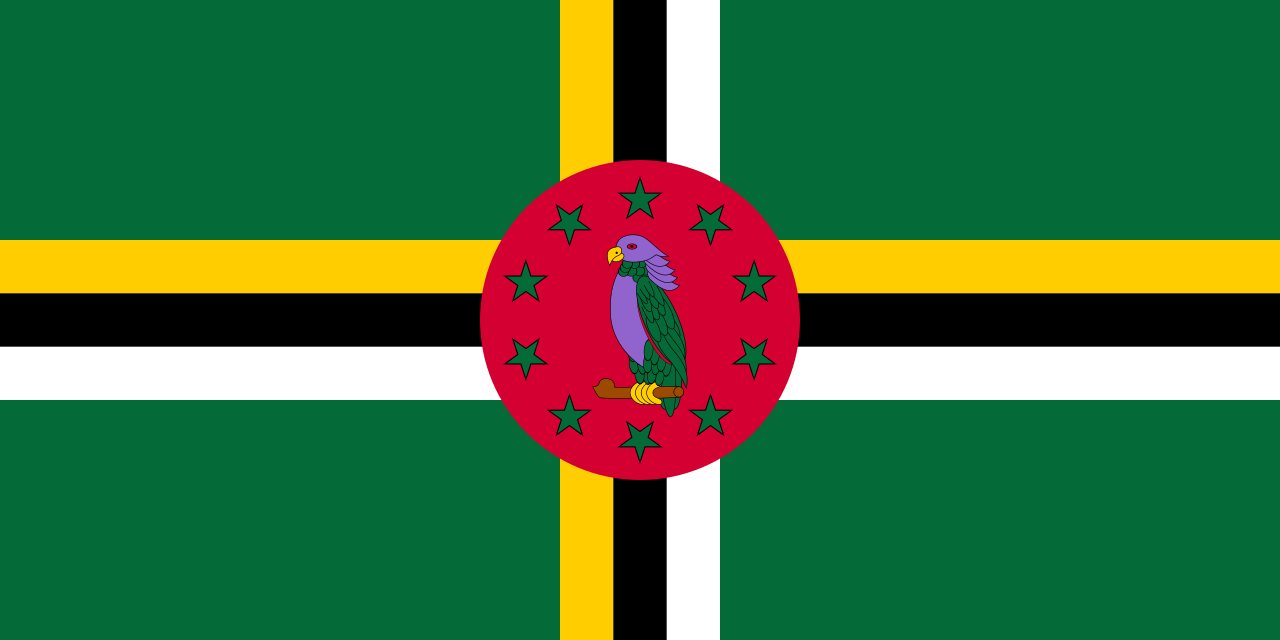
Dominican writer Bernard Benjamin has put forward a reflection on the land of the Commonwealth of Dominica, drawing on the Kwéyòl saying «Apré Bondyé sé la tè», which translates as «After God, is the earth». In a commentary published by Dominica News Online, he argues that the earth of Dominica holds a place of deep importance in the lives and identity of its people.
The commentary appears under a title that frames the island's soil as second only to the divine in the Dominican imagination. Benjamin presents the saying not simply as a proverb but as a statement of how Dominicans have long understood their relationship with the land beneath their feet. That relationship has been shaped by generations of farming, village life and everyday dependence on the soil, and the saying carries that inheritance in a few words.
The piece is published in the commentary section of Dominica News Online and is signed by Benjamin as a Son of Dominica. The title and author line are the only parts of the commentary available for this report, so the full sequence of his arguments and any examples he offers cannot be set out here. The phrase itself is the anchor of the piece, and the publication's title, which joins the Kwéyòl original with an English rendering, signals that the commentary is addressed to both Kwéyòl speakers and English readers at home and abroad.
For a small island nation, the place of the earth in cultural memory carries practical as well as symbolic weight. Kwéyòl sayings of this kind have been passed down in homes, churches and village communities, and they continue to shape how many Dominicans think about heritage, responsibility and home. Dominica's own identity as the Nature Isle rests in large part on the same connection between people and land that the saying expresses, from its forests and rivers to the small plots on which families have grown food for generations.
Benjamin's commentary, by returning to a phrase many residents know well, invites readers to consider what the saying asks of them today. It does not, on the material available here, set out specific policy proposals or name particular disputes over land. Its contribution is reflective: a reminder that the island's soil is treated in Dominican culture as a foundation that ranks just beneath faith itself, and that this understanding remains part of how many on the island and in the diaspora think about belonging.
2