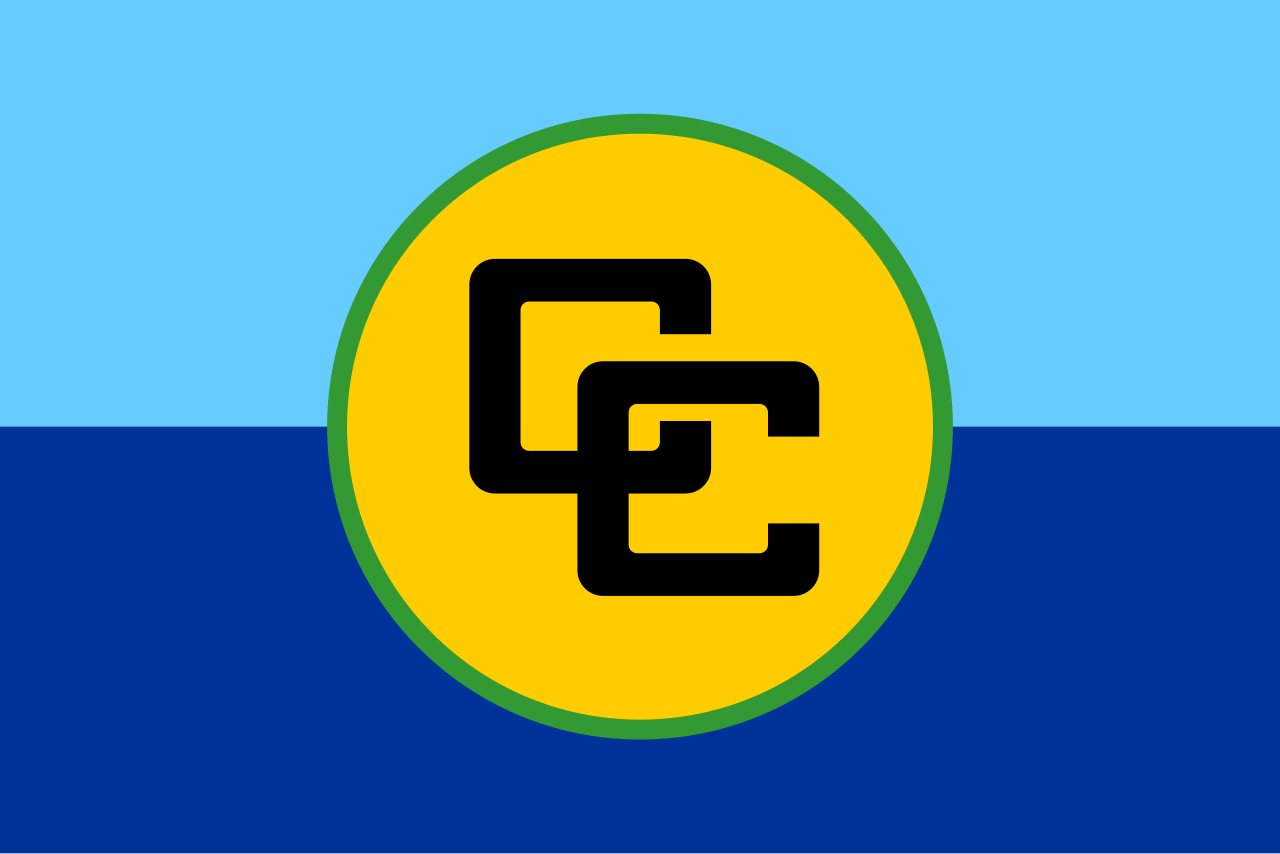
The Secretary-General of the Caribbean Community, CARICOM, has called for renewed action to end gender-based violence, marking the 16 Days of Activism Against Gender-Based Violence that run from 25 November to 10 December. The message, shared with the public through Dominica News Online, places the regional campaign against violence against women and girls at the centre of the Community's agenda.
The call was anchored in new global data from the World Health Organization, which estimates that around 43 million adolescent girls have experienced violence. The figure underlines, according to the CARICOM message, how widespread the problem remains, affecting young people across the world and within the Caribbean. CARICOM says it is amplifying its voice during this annual period of activism to press for prevention, protection and accountability.
The 16 Days of Activism is an international campaign that begins on 25 November, the International Day for the Elimination of Violence against Women, and ends on 10 December, Human Rights Day. The dates link the regional effort to a global calendar in which women's rights and human rights are marked side by side. Across the region, the period is typically used by governments, civil society, faith groups, schools and community organisations to raise awareness, hold forums and encourage victims to seek help. The CARICOM statement situates the regional effort within that global framework.
The message frames the issue as one that cuts across the whole Community rather than sitting with a single ministry or agency. By pointing to adolescent girls specifically, CARICOM is directing attention to a group that is often least visible in statistics on violence and least able to access support on its own. The emphasis on young people suggests that early intervention, including education on healthy relationships and respect, is seen as central to any lasting reduction in violence.
For Dominicans, the message is a reminder that gender-based violence is a community concern as well as a matter for individual households. Residents who are affected, or who know someone who is, are encouraged to reach out to trusted family members, community leaders, health professionals and the police. Support services and civil society organisations work to provide counselling, shelter and information, and the regional campaign is intended to make those options better known and easier to reach.
The Secretary-General's message aims to keep the issue visible beyond a single fortnight of observance. Drawing attention to the WHO findings allows CARICOM to highlight the need for stronger systems to respond when violence occurs, as well as for prevention work that begins long before a crisis. The organisation frames the campaign as a shared responsibility among member states, institutions and citizens, and it presents the 16 Days as an opportunity to reaffirm that commitment publicly.
4