The Commonwealth of Dominica is marking 48 years of political independence from Britain, with a national programme of ceremonies, cultural performances and community events unfolding across the island in observance of the milestone.
Independence Day, observed annually on 3 November, commemorates the day in 1978 when Dominica became a sovereign republic within the Commonwealth, ending centuries of colonial rule. This year's anniversary carries particular significance as the island continues to rebuild and develop in the face of economic and environmental challenges.
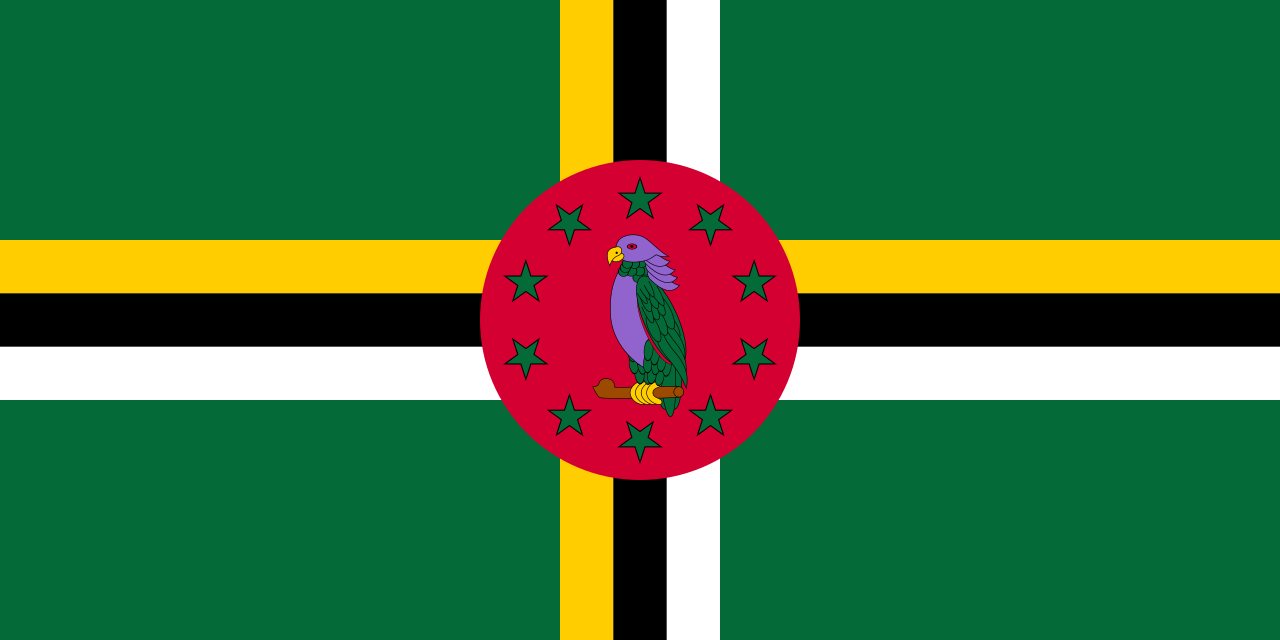
Official observances began with a flag-raising ceremony in Roseau, where the national flag was hoisted before a gathering of government officials, uniformed services and members of the public. The President and Prime Minister were among those attending the formal events, which included a parade by the Dominica Cadet Corps and other uniformed groups.
A national awards ceremony is expected to form part of the programme, recognising Dominicans who have contributed to national life in fields including education, health, community service and culture. The annual honours list typically acknowledges both long-standing public servants and community volunteers whose work has strengthened villages and parishes across the island.
Cultural activities are also central to the celebrations, with performances showcasing Dominica's kweyol heritage, traditional dance and music. The World Creole Music Festival, held annually around the independence period, brings together artists from across the Caribbean and the diaspora, reinforcing the island's reputation as a cultural hub in the region.
In the Kalinago Territory, independence observances include recognition of the island's indigenous heritage and the role of the Kalinago people in Dominica's history. Community events in villages from Portsmouth to Grand Bay are expected to feature local food, sports and family activities throughout the day.
Schools across the island have held their own programmes in the lead-up to Independence Day, with students participating in quizzes, cultural presentations and flag ceremonies. The Ministry of Education has encouraged schools to use the occasion to teach young Dominicans about the nation's history and civic responsibilities.
The anniversary also provides an opportunity to reflect on Dominica's economic and social progress. Since independence, the island has developed its agriculture, tourism and geothermal energy sectors, while strengthening its institutions and its role within the Organisation of Eastern Caribbean States and CARICOM.
Dominica's diaspora communities in the United States, United Kingdom, Canada and across the Caribbean are marking the occasion with their own gatherings, maintaining strong ties to the homeland. Remittances from overseas Dominicans remain an important source of support for families and the wider economy.
As the celebrations continue, authorities are reminding residents to observe safety measures during public events and to follow guidance from the Office of Disaster Management and the Dominica Meteorological Service, particularly as the Atlantic hurricane season remains active until the end of November.
The Independence Day programme concludes with a ceremonial event and cultural showcase in Roseau, bringing together Dominicans from all walks of life to celebrate the nation's sovereignty and shared identity as the Nature Isle.