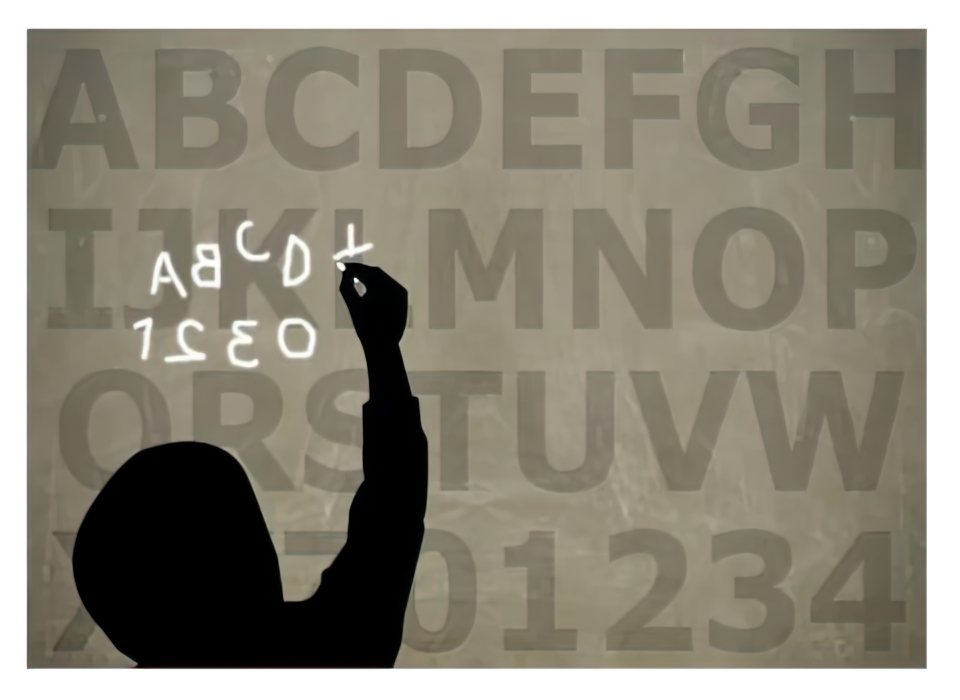
Dyslexia and dysgraphia are language-based learning disabilities that affect how children read, write and process written language, and they are more common in Dominican classrooms than many parents and teachers may realise. That is the central message of a commentary published by Dominica News Online, which argues that the statement «all children can learn, all children must learn» is true at face value but demands closer examination when some children struggle with reading and writing for reasons that have nothing to do with intelligence or effort.
The commentary points out that dyslexia is not a visual problem or a sign of laziness. It is a language-based disability that makes it difficult for a child to decode words, recognise sounds and connect them to letters, and to read fluently. Dysgraphia, its close relative, affects the physical act of writing and the ability to organise thoughts on paper, so a child may understand a lesson perfectly yet be unable to put the answer down in a way that a teacher can easily read and mark.
According to the commentary, these difficulties can go unrecognised in schools where classes are large and resources are stretched. A child who cannot read at the expected level may be labelled slow, disruptive or unmotivated, when in fact the child is working harder than classmates simply to keep up. The commentary stresses that early identification matters, because the longer a language-based learning disability goes unaddressed, the wider the gap grows between the child and peers, and the greater the risk of low self-esteem, frustration and dropping out.
The piece calls on parents, teachers and education officials to learn the signs and to take them seriously. It suggests that teachers should be trained to spot the difference between a child who has not been taught and a child who has been taught but cannot process written language in the usual way. It also urges parents who notice their child struggling with reading, spelling or handwriting to seek advice rather than wait, and to work with the school instead of accepting a label of failure.
The commentary acknowledges that Dominica's education system faces real constraints, including limited specialist support and few diagnostic services on island. But it argues that awareness costs nothing and can change a child's path. Simple adjustments — extra time, oral answers instead of written ones, patience with handwriting, and clear, structured instruction in phonics — can make a significant difference for a child with dyslexia or dysgraphia.
The commentary also notes that the views and claims expressed belong solely to the author and have not been independently verified, a standard disclaimer carried by the publication. Even so, the issues it raises echo concerns long voiced by educators across the Caribbean, where learning disabilities are often misunderstood and where stigma can prevent families from seeking help.
For Dominica, the message is that all children can learn, but not all learn in the same way. Recognising dyslexia and dysgraphia as language-based learning disabilities, rather than moral or behavioural failings, is presented as the first step towards making sure that every child in the Nature Isle has a fair chance in the classroom.
3