The Society for Historic Architectural Preservation and Enhancement (SHAPE) has secured a grant from the Caribbean Culture Fund (CCF) to restore a historic wooden ti kai in Roseau, the organisation has announced. The restoration forms part of SHAPE's Resilient Houses Project, an initiative aimed at preserving Dominica's traditional wooden architecture while strengthening it against the hazards of a changing climate.
The ti kai, a small traditional wooden house, is one of the island's most recognisable vernacular building forms. SHAPE has not yet disclosed the exact location of the property or the value of the CCF award, but the grant marks a significant endorsement of its approach to heritage conservation, which pairs historic preservation with practical resilience measures.
The Resilient Houses Project is being undertaken in collaboration with partners in the region, reflecting a growing Caribbean-wide effort to protect the built heritage of small island states. The Caribbean Culture Fund supports cultural projects across the region, and its backing of SHAPE places Dominica's traditional architecture within that wider network of heritage work.
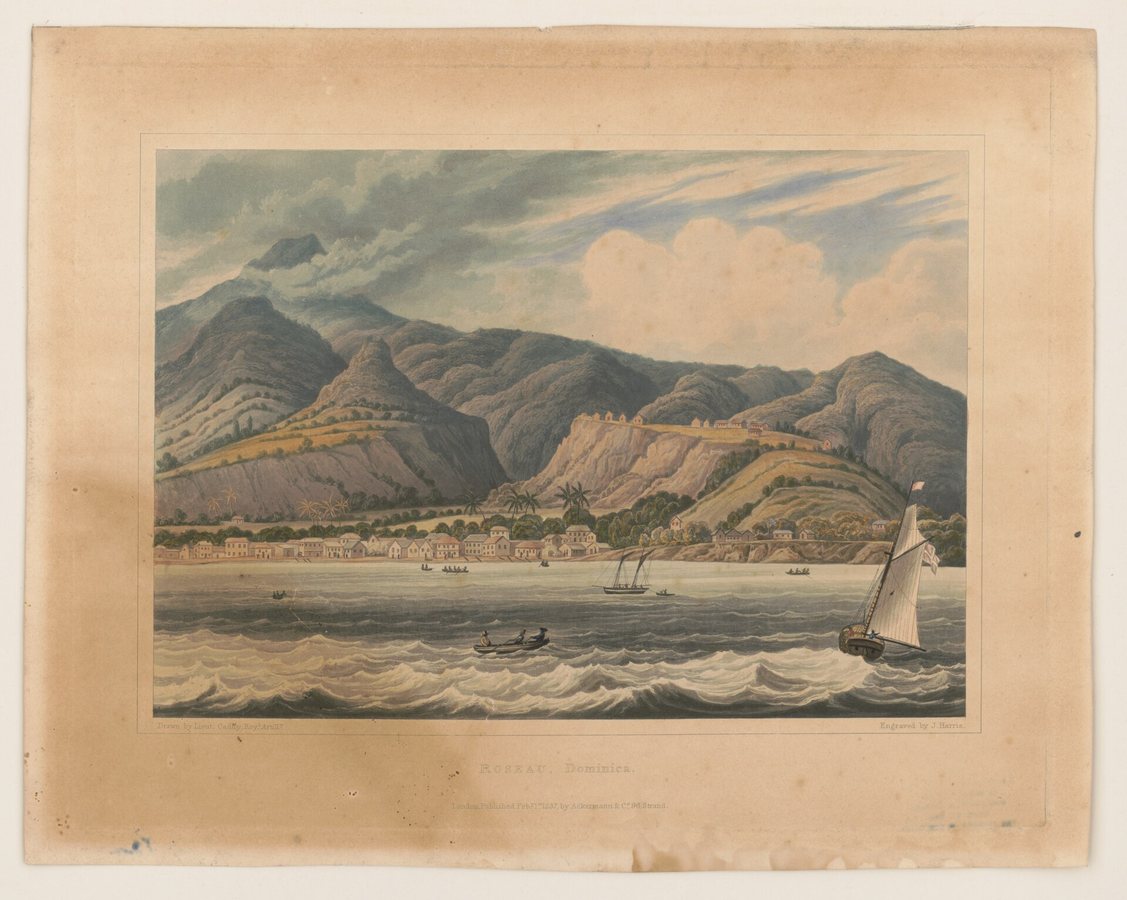
Wooden ti kai once lined the streets of Roseau and villages across the island, but many have been lost to hurricanes, fire, neglect and replacement with concrete structures. SHAPE has argued that these buildings are not merely old homes but repositories of Dominican craftsmanship, kweyol domestic life and knowledge of how to build in the Caribbean climate.
The restoration is expected to serve as a demonstration project, showing how traditional construction methods can be adapted to withstand storms and earthquakes. By securing external funding, SHAPE also reduces the burden on local resources and draws attention to the value of the island's architectural heritage.
Details of the restoration timeline, the craftspeople involved and any public access arrangements are expected to be released as the project advances. SHAPE has previously worked to document and protect historic buildings in Roseau and elsewhere, and the CCF grant is likely to strengthen its capacity to carry out hands-on conservation work.
For Roseau, the project represents a small but meaningful addition to efforts to keep the capital's historic character alive amid ongoing urban change. The restoration of a single ti kai may be modest in scale, but it carries weight as a statement that Dominica's wooden heritage is worth saving, studying and rebuilding for the next generation.
4