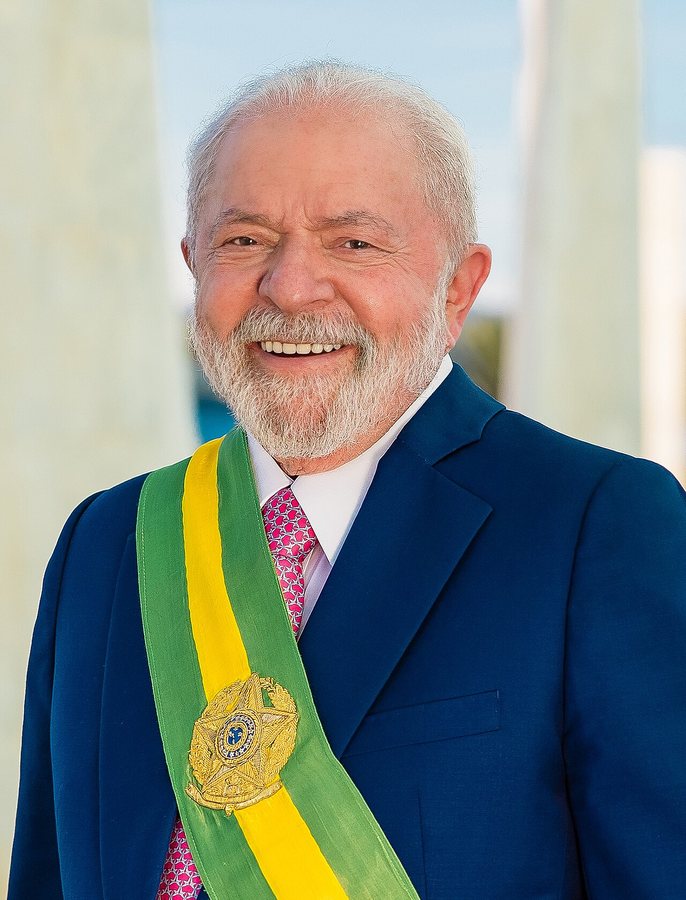
Brazilians go to the polls on Sunday in a presidential runoff that observers describe as highly unpredictable, pitting the leftist incumbent Luiz Inácio Lula da Silva against the far-right senator Flávio Bolsonaro. Lula is attempting an unprecedented comeback after losing the first round to Bolsonaro, the son of the former president Jair Bolsonaro, who has been convicted.
Bolsonaro's first-round victory surprised many observers, because he had not led most opinion polls before that vote. The result made him the favourite three weeks ago. Since then, Lula's campaign has gained ground, and the two candidates now go into the contest virtually tied, which is why the outcome is considered so difficult to call.
The vote will determine who leads Latin America's largest country for the next four years. Voters are choosing between continuity of Lula's leftist government and a candidate whose political movement is built around his father, whose legal troubles have shaped the campaign. The race is being watched across the region because of Brazil's size and its weight in regional politics.
Lula's recovery in the polls has come from a campaign that has had to win back voters who had turned to Bolsonaro in the first round. Bolsonaro's camp has leaned on that first-round result to argue that its candidate carries the momentum. Neither side has a clear advantage on the eve of polling, and analysts have been cautious about predicting a winner.
Results are expected once the polls close, and the winner must secure a majority of the valid votes cast to be declared president. The new president will take office at the start of next year and inherit a set of pressing questions on the economy, public spending and the country's foreign and social policy.
1