The Dominica Bar Association has moved to reassure the public that the Caribbean Court of Justice remains a robust and independent institution, following weeks of regional attention on leaked internal correspondence between judges and CCJ President Justice Winston Anderson.
In a statement issued to citizens, the association acknowledged that the disclosure of private emails concerning administrative styles, panel management and court protocols had stirred concern and uncertainty. But it stressed that the exchanges reflected internal friction rather than any breakdown of judicial integrity.
«Internal administrative disagreement must not be confused with judicial compromise,» the association said, noting that the CCJ and its President have confirmed the Court remains united in its core mandate of dispensing impartial, high-quality justice.
The Bar Association said robust internal debate is a normal feature of human institutions and can serve as a mechanism for growth and self-correction. It described the compromise of confidential communication as regrettable, warning that uncontextualised leaks often fuel speculation and sensationalism.
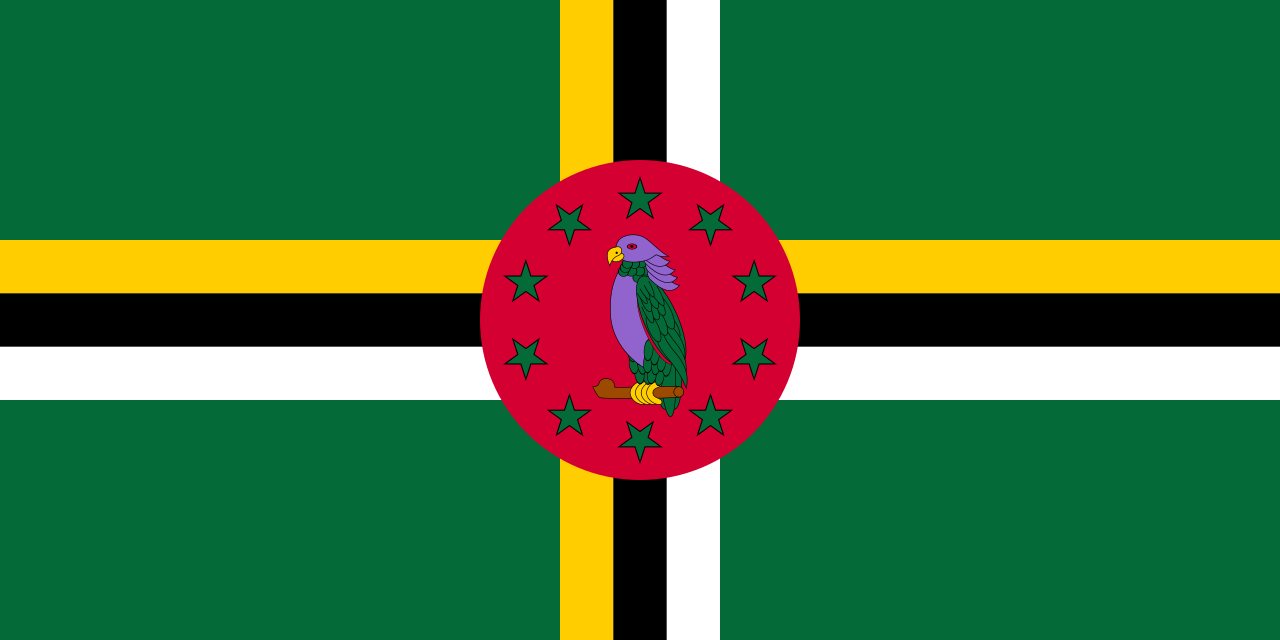
Dominica is one of the pioneering nations that fulfilled its Treaty obligations by acceding to the appellate jurisdiction of the CCJ. The association pointed to more than two decades of service in which the Court has delivered jurisprudence of international renown, arguing that a single leaked administrative challenge does not dismantle a legacy built on legal brilliance, accessibility and fairness.
The Dominica Bar Association said it joins regional umbrella bodies, including the Organization of Commonwealth Caribbean Bar Associations and the OECS Bar Association, in expressing firm and unbroken confidence in the CCJ.
Beyond reassurance, the association outlined three areas of action. It supports the OCCBA’s call for thorough investigations into data security and internal administrative practices to ensure operational transparency and safeguards. It also committed to continuing public legal education aimed at demystifying court operations, governance, and the rights and responsibilities of citizens.
As legal practitioners, the association said it accepts responsibility not only as advocates before the bench but as vigilance-keepers ensuring the Court functions transparently and independently.
«The CCJ is our Court—conceived, created, and maintained by Caribbean intellect and sovereign determination,» the statement said.
The association urged Dominicans to look past sensationalised commentary, resist self-doubt, and measure the Court by the enduring quality of its justice. It said the CCJ was built to serve the people of the region and remains fully equipped, independent and steadfast in fulfilling that trust.