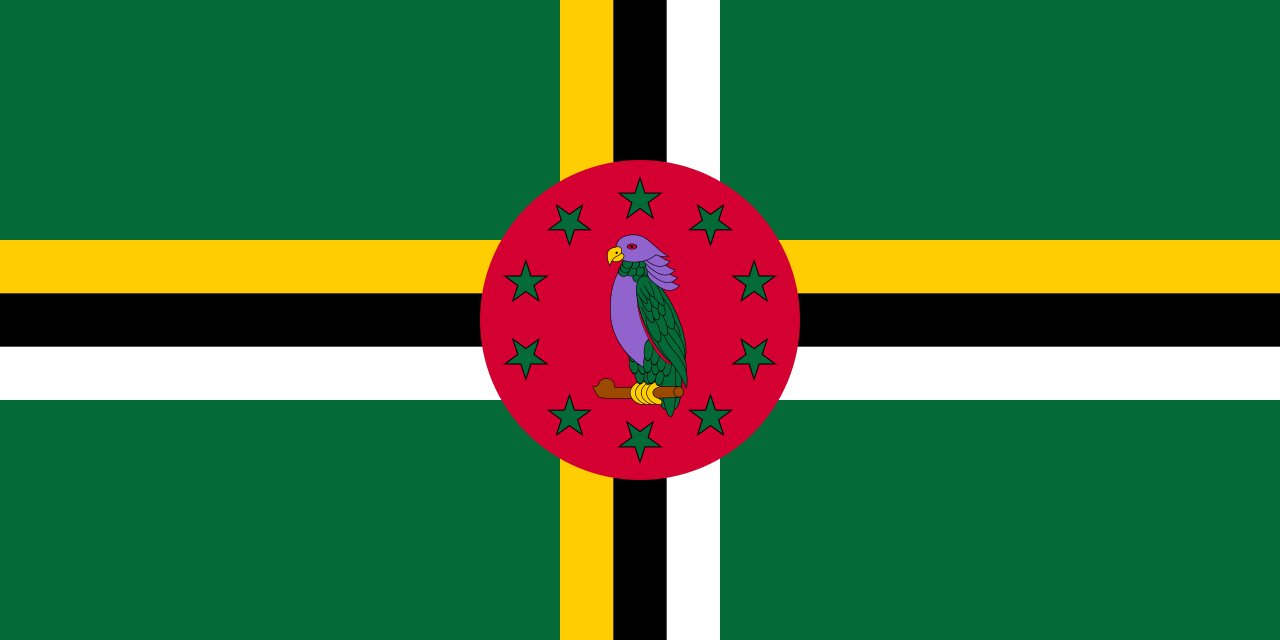
Dominica has joined countries across the Caribbean and the wider world in observing World Mental Health Day, with health officials and community advocates urging Dominicans to treat mental well-being as an essential part of overall health. The observance, held annually on 10 October, provides an opportunity to reflect on the state of mental health care in the Commonwealth of Dominica and to renew efforts to reduce stigma and expand access to support services.
In a national address, health authorities emphasised that mental health conditions affect people of all ages and backgrounds, and that seeking help is a sign of strength rather than weakness. Officials pointed to the pressures of modern life — economic uncertainty, the aftermath of natural disasters, and the challenges of small-island living — as factors that can weigh heavily on the minds of residents. They called on families, churches, schools and employers to create environments where people feel safe to speak about their struggles.
The Ministry of Health has been working to strengthen mental health services across the island, including at the primary care level. Community health centres in Roseau, Portsmouth and other parishes are being equipped to screen for common conditions such as depression and anxiety, and to refer patients to specialist care when needed. Officials noted that early intervention can prevent more serious outcomes and reduce the burden on the island's limited hospital resources.
This year's theme highlights the importance of mental health in the workplace, a message that resonates in Dominica where many people work in agriculture, fishing, tourism and the public service. Employers were encouraged to adopt practices that support the mental well-being of their staff, including reasonable workloads, open communication and access to counselling where possible. Trade unions and employer representatives have been engaged in discussions on how to translate these principles into practical measures.
Non-governmental organisations and faith-based groups also play a vital role in the island's mental health landscape. Several groups have organised activities to mark the day, including public education sessions, radio programmes and prayer services. These efforts complement the clinical services provided by the state and help to reach communities that may be hesitant to engage with formal health systems.
Young people are a particular focus of this year's activities. Schools across Dominica have been encouraged to incorporate mental health education into their curricula and to train teachers to recognise signs of distress among students. The rise of social media and online pressures has added new dimensions to the challenges facing adolescents, and officials stressed the need for parents and guardians to maintain open lines of communication with their children.
For those in need of immediate support, the Ministry of Health reminded the public that help is available through the island's health facilities and a national helpline. Officials urged anyone experiencing persistent sadness, anxiety or thoughts of self-harm to reach out without delay. They also cautioned against the misuse of alcohol and other substances as a way of coping with emotional pain, noting that such habits can worsen mental health conditions.
As Dominica continues to build resilience against natural hazards and economic shocks, the observance of World Mental Health Day serves as a reminder that the strength of a community lies not only in its infrastructure but in the well-being of its people. Health authorities pledged to keep mental health on the national agenda beyond a single day, working with partners across the OECS and CARICOM to share best practices and improve outcomes for all.
6