A High Court ruling on the constitutionality of Dominica's abortion law has opened a fresh chapter in the national conversation about reproductive rights, drawing responses from residents and legal observers across the island.
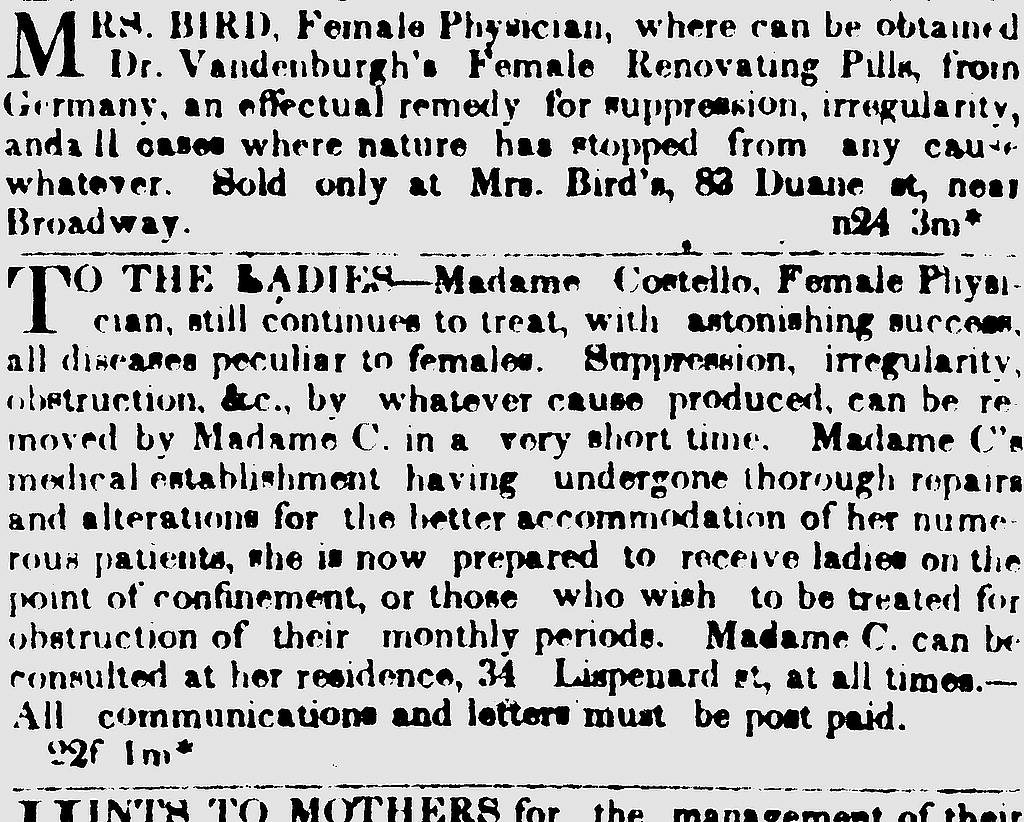
The decision, which examined whether existing provisions conform to the Constitution, has prompted a letter to the editor published this week that traces the law's origins to the late nineteenth and early twentieth centuries. The author argues that the current legislation is a colonial-era inheritance, with roots stretching back to 1873 and later consolidated in 1938.
According to the letter, the law now under scrutiny was shaped during a period when Dominica was a British colony and when attitudes toward women's health and autonomy were vastly different from today. The writer contends that the High Court's intervention offers an opportunity for Parliament and the public to consider whether such provisions remain appropriate for a modern Commonwealth of Dominica.
The letter does not call for a specific legislative outcome but urges readers to understand the historical context before forming judgments. It notes that the 1873 and 1938 dates mark key moments in the evolution of the statute, and that the recent court decision has effectively moved the debate from the courtroom into the public square.
No official statement from the Government or the House of Assembly has been issued in response to the ruling. The matter is one that touches on constitutional interpretation, the role of the courts, and the limits of legislative authority — questions that have been debated in other Caribbean jurisdictions in recent years.
In Dominica, as elsewhere in the region, discussions around abortion law often intersect with questions of public health, religious belief, and the rights of women and girls. The letter to the editor reflects a desire among some residents to see the issue discussed with reference to both legal precedent and the lived realities of Dominican women.
The High Court's decision does not by itself change the law; it sets out a judicial view on its constitutionality. Any amendment would require action by the House of Assembly, and the path forward remains uncertain. For now, the ruling has achieved one clear effect: it has brought a long-dormant statute into the centre of national attention.
As the public digest the implications, the letter's historical framing serves as a reminder that Dominica's legal framework is not static. It is a product of its past, subject to review in the present, and open to change through the democratic process.
3