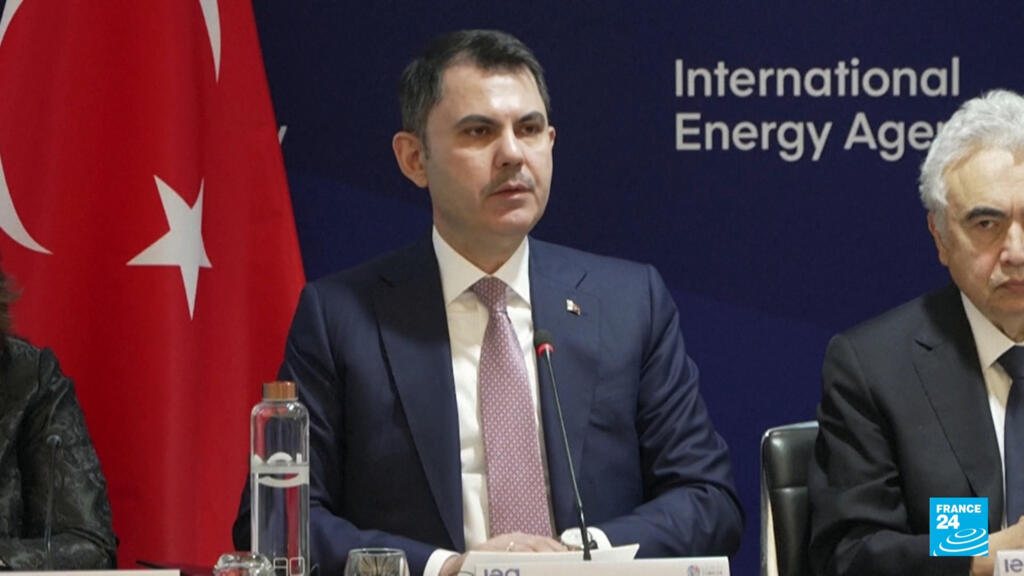
UN Secretary-General António Guterres has called for fossil fuels to be phased out, declaring that they must « go the way of the dinosaurs », and he directed sharp criticism at the fossil fuel industry's lobbying of the climate negotiations. His remarks opened the third day of the COP31 climate talks in Antalya, Turkey, a live-blogged session that drew attention from observers following the summit.
Guterres, who is outgoing from his post, used his opening address to press delegates on the scale of the challenge facing the international community. He criticised the influence of the fossil fuel industry on the process, arguing that lobbying by those with a stake in continued oil, gas and coal use is working against the goals the talks are meant to advance. He also praised Turkey for its organisation of the summit, acknowledging the host country's efforts to bring the gathering together despite the difficulties involved.
The talks are being held in Antalya, an ancient city on Turkey's southern Mediterranean coast that was founded around 200 BC. Its long history stands in contrast to the urgency of the discussions now taking place there over the future of global energy use, and the city's setting has given the summit a distinctive backdrop.
Attendance has been affected by the absence of leaders from many of the world's big polluting nations, a development that is likely to weigh on the negotiations, since the countries that produce and burn the most fossil fuels are the ones whose commitments matter most. Delegates also faced severe transport problems getting to the venue, which added to the logistical strain on those trying to reach the talks and compounded the challenges of an already demanding agenda.
Guterres's call for a phase-out marks the clearest position set out at the summit so far, and it sets a demanding benchmark for the negotiations that follow. The reporting available so far does not establish how many leaders are absent overall, and it does not yet make clear what concrete commitments, if any, have emerged from the talks. The coming days of negotiations will show whether the phase-out call is matched by binding pledges from the countries present, and whether the lobbying concerns raised by the UN chief are reflected in the outcome.
1