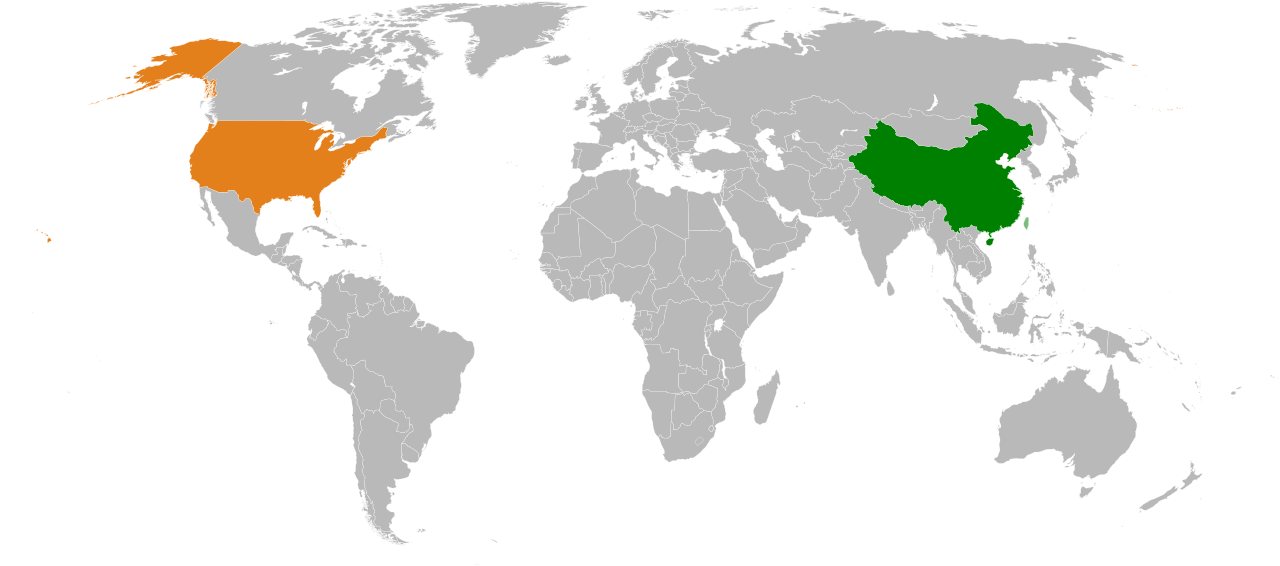
Washington and Beijing may be locked in a deepening economic rivalry, but a new opinion piece argues that the two powers have little choice but to work together on the risks posed by artificial intelligence. The author contends that the threat from AI-empowered bad actors is shared, and that mutually assured collaboration is needed to contain it even while trade and manufacturing disputes grow sharper.
The argument rests on a simple premise: powerful AI tools do not respect national borders. Systems capable of generating convincing content, automating technical work or lowering the barrier to harmful activity can be misused wherever they are developed or deployed. For that reason, the piece suggests, the risks cannot be managed by either government acting alone, and cooperation on safeguards serves the interests of both countries.
The commentary frames this as a change in the character of the relationship. Competition over exports, manufacturing and advanced technology is expected to continue, and the author does not argue that these disputes will disappear. Instead, the piece calls for separating the security question of AI misuse from the commercial rivalry, so that dialogue on shared dangers can continue regardless of the state of trade relations. The distinction, the author implies, is what would allow each side to keep talking about threats even when it is pressing its advantage in markets.
The economic dimension of the rivalry is central to the argument. Export controls on advanced chips, the location of manufacturing capacity and the race to lead in AI development all feed a sense of strategic competition between the two countries. The piece suggests that these pressures make it harder, not easier, to coordinate, because each government fears that cooperation on safety could be read as a concession in the wider contest. Yet the author argues that the same technologies being fought over are the ones that could be turned to harmful ends, and that neither side can protect its own citizens from misuse that originates on the other side of the Pacific.
The opinion piece also points to the wider implications for other countries. As the two largest economies in the world, the United States and China shape the rules and norms that govern emerging technology, and their approach to AI safety is likely to influence governments across the Americas, the Caribbean and beyond. Small states such as the Commonwealth of Dominica, which depend on global digital systems but have little say in their design, have an interest in whether the major powers can find common ground. A framework that reduces the risk of AI-enabled fraud, disinformation or cyber intrusion would matter to island economies whose banking, tourism and government services increasingly run online.
The piece is an opinion article and does not report a new agreement, announcement or official policy change from either government. Its central message is that economic friction and security cooperation need not be treated as mutually exclusive, and that the spread of AI-enabled threats gives both sides a practical reason to keep channels of communication open. Readers should weigh it as one perspective on a question still being debated in capitals, boardrooms and research laboratories around the world.
2