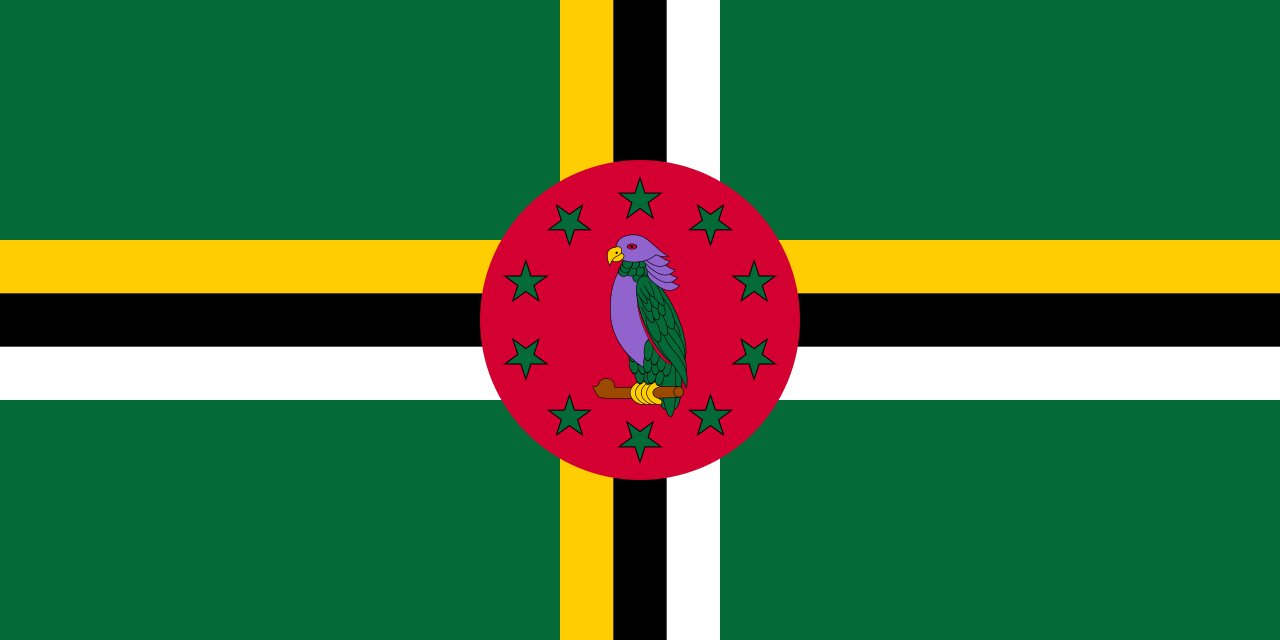
The Commonwealth of Dominica marks 48 years of political independence from Britain this year, with a national programme of ceremonies, cultural performances and community observances unfolding across the island. The anniversary falls on 3 November, the date in 1978 when Dominica became a sovereign republic within the Commonwealth, and the occasion is being observed under the theme of national unity and cultural heritage.
Official commemorations centre on the capital, Roseau, where the traditional Independence Day parade and flag-raising ceremony are expected to draw crowds to the Windsor Park Sports Stadium and the surrounding streets. The programme includes a formal address to the nation, the presentation of national honours, and a ceremonial review involving uniformed groups, school bands and cultural troupes representing communities from Portsmouth to Grand Bay and the Kalinago Territory.
Independence celebrations in Dominica traditionally extend well beyond a single day. The national calendar includes the Independence Youth Rally, the Creole heritage showcase, church services across the parishes, and community fairs in villages that bring together farmers, fishers, artisans and vendors. Schools across the island hold their own observances, with students taking part in cultural performances, poetry recitals and debates on national development.
Kweyol heritage occupies a central place in the programme. The Creole language, spoken widely alongside English, is celebrated through music, storytelling and traditional foods, reflecting the island's African, Kalinago and European roots. The Kalinago Territory, home to the island's indigenous people, is represented in the national events, with Kalinago cultural groups taking part in the official ceremonies and community activities.
The Independence season also carries an economic dimension. Vendors, artisans and small businesses report increased activity around the national holidays, while the tourism sector sees heightened interest from members of the diaspora returning home for the celebrations. Hotels and guesthouses in Roseau, Portsmouth and along the west coast typically record strong bookings during the period.
National security and public services are placed on heightened readiness during the celebrations. The police service maintains crowd management and traffic arrangements around major venues, while health services and the Office of Disaster Management remain on standby. Residents are reminded to observe official guidance on public gatherings and road safety throughout the holiday period.
Dominica's independence followed centuries of colonial administration, first under France and later Britain, and the island's journey to self-government in the 1960s and full statehood in 1978. Since then, the country has built its place in the Caribbean Community and the Organisation of Eastern Caribbean States, and has become known internationally as the Nature Isle for its rainforests, rivers and geothermal resources.
The anniversary is also a moment for reflection on national challenges, including economic diversification, hurricane resilience and the ongoing recovery from past storms. Official messages are expected to emphasise unity, service and the contribution of Dominicans at home and across the diaspora to the country's development.
Public participation is encouraged at all official events, with organisers urging residents to attend in national colours and to take part in the community activities planned in their districts. Further details of the full programme, including times and venues, are being published by the relevant national bodies as the celebrations continue.
1