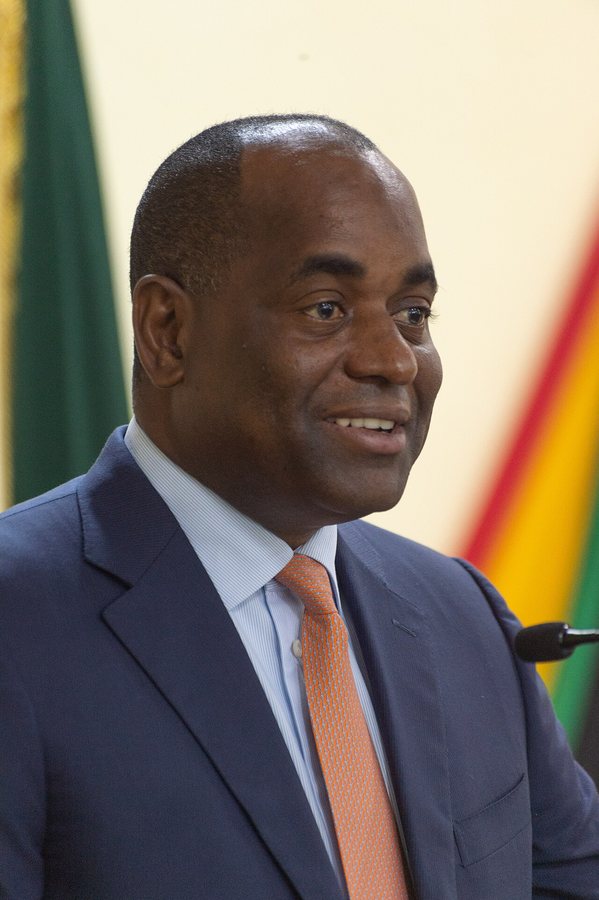
The Government has moved to cushion public officers approaching retirement with a new bridge pension, after Finance Minister Irving McIntyre presented a Pension Amendment Bill in Parliament on Monday. The proposed legislation would see the State fund a bridge pension for qualifying public officers, with payments running until the recipient reaches age 65.
The measure is aimed at public officers who are nearing retirement, the group the bill identifies as its target beneficiaries. By funding the bridge pension itself, the Government would take on the cost of support during the period between leaving the public service and reaching the age of 65. The bill is presented as an amendment to the existing pension arrangements, which means it would modify the framework already governing retirement benefits for civil servants rather than create a separate scheme from nothing.
The purpose of a bridge pension is to provide a steady income during the gap between retirement from the public service and the point at which a retiree reaches age 65. For officers who leave the service earlier, that gap can be significant, and the bill is intended to ensure they are not left without support for those years. Its introduction in Parliament therefore places the question of retirement security for public officers squarely before the House of Assembly for debate.
Several important details were not yet clear from the material available. The eligibility criteria that would determine which officers qualify have not been set out, and neither have the payment amounts. No start date for the scheme has been given, and the cost to the Government has not been stated. Without these figures, it is not yet possible to judge how many officers would benefit or what the scheme would mean for public finances.
The full text of the bill was not included in the material available to Dominica 1, so the precise provisions of the amendment cannot yet be confirmed. Readers should look for further detail as the bill moves through the House of Assembly, where the Government will be expected to explain the criteria, the amounts and the expected cost. The debate will also show how the proposal is received by members of Parliament, and whether any changes are sought before it is approved.
Dominica 1 will report further as the bill progresses and as the Government sets out the figures that are still outstanding.
2