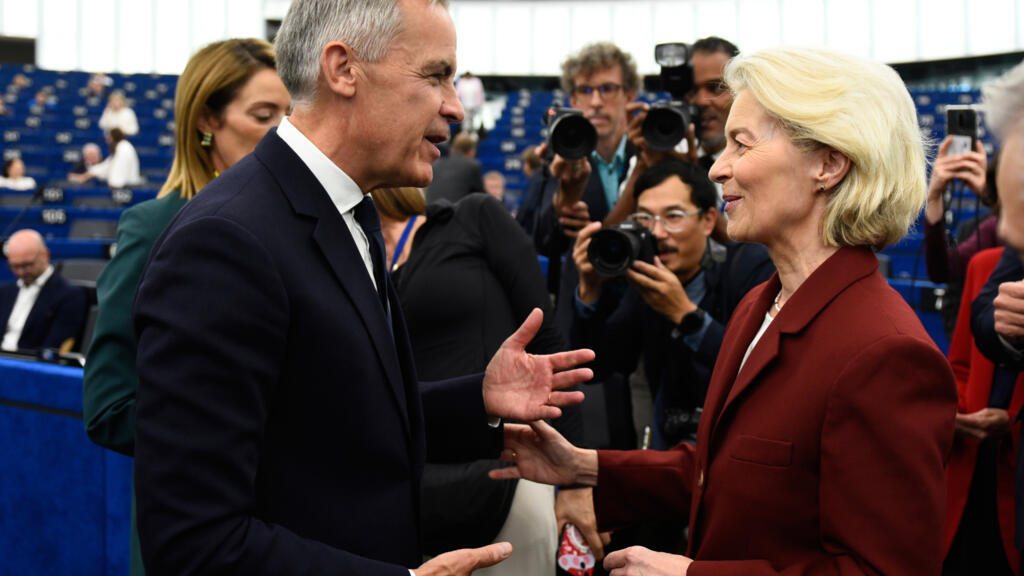
Canada and the European Union will pursue closer ties but have dropped a proposal for associate EU membership, according to a joint declaration issued ahead of Thursday's summit in Montreal. The decision shows that both sides intend to deepen cooperation through other arrangements rather than a formal membership-style status.
The move comes as Prime Minister Mark Carney seeks to reduce Canada's reliance on the United States. His government has made diversifying trade and strategic partnerships a central priority, and Europe has become a key focus of that effort. The summit is expected to highlight areas of shared interest between Ottawa and Brussels.
The joint declaration confirms that the associate membership idea is no longer under consideration. It frames the relationship as one of partnership and leaves the details of future cooperation to be settled through the summit and related talks. Officials on both sides have signalled that the Montreal meeting is intended to set the direction for those discussions rather than to finalise specific agreements.
The shift also comes against the backdrop of pointed warnings from US President Donald Trump, whose administration has long been one of Canada's closest partners and largest trading ties. Mr Carney's push to strengthen links with Europe is therefore being read as part of a wider effort to broaden Canada's international options, a course that carries political weight in Ottawa and in Washington alike.
For Canadians and Europeans, the summit will be watched for concrete outcomes in trade, security and other shared priorities. Whether the closer ties described in the declaration translate into lasting agreements will become clearer once the Montreal talks conclude on Thursday.
3