Latin American and Caribbean governments are expected to follow the United States in formally labelling the region's major drug cartels as terrorist organisations at the United Nations General Assembly, a step that would widen the legal and security framework used against trafficking networks operating across the Caribbean basin.
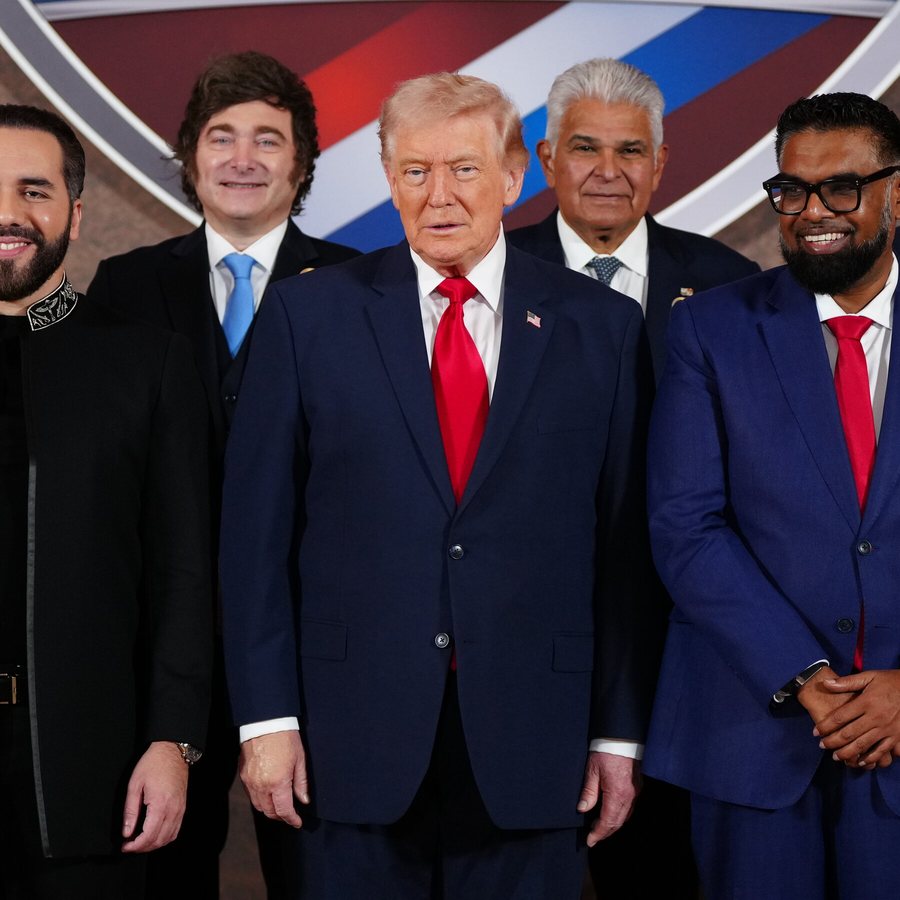
The anticipated designations mirror a position advanced by President Donald Trump, who hosted Latin American leaders at a Shield of the Americas summit in Miami in March. That gathering signalled a push for closer hemispheric coordination against criminal groups whose reach extends through Central America, Mexico and the Caribbean.
For Dominica and its OECS neighbours, the development carries direct implications. Caribbean waters are a recognised transit corridor for narcotics moving between South America and North America and Europe, and regional coast guards and police services already cooperate with United States and European agencies on interdiction. A terrorist designation would give governments additional legal tools, including asset freezes and stricter financial controls, but it could also complicate relations with states whose nationals are caught up in trafficking cases.
Officials have not yet indicated which specific organisations would be listed, nor whether Caribbean governments would adopt the designation individually or through CARICOM. The matter is expected to feature in bilateral meetings on the margins of the General Assembly, where small island states typically press for support on climate finance, hurricane recovery and correspondent banking.
The timing is significant for the region. Caribbean leaders have repeatedly warned that the withdrawal of international banks from small jurisdictions, known as de-risking, has made it harder for legitimate businesses to move money. A terrorist listing could tighten compliance requirements further, and Roseau and other capitals are likely to seek assurances that ordinary citizens, remittance senders and small exporters are not caught in the net.
Security analysts note that cartel networks have shifted routes in response to pressure in Mexico and Central America, with more traffic moving through the eastern Caribbean. Dominica's location between the French territories and the southern Caribbean places it near some of those routes, though local authorities have consistently reported seizures and prosecutions through the courts rather than describing the island as a cartel base.
The designation debate also touches on migration and diplomacy. Some Latin American governments have resisted broad terrorist labels, arguing they can justify military action and strain relations with countries where criminal groups exercise informal control over territory. Others see the label as a necessary escalation against organisations responsible for violence, corruption and the destabilisation of entire communities.
At the United Nations, the focus will be on how the language is framed. A formal terrorist designation by individual states is not the same as a Security Council listing, and the practical effects depend on how each government writes the measure into its own laws. For Caribbean states, the key questions are whether the approach brings additional resources for policing and border control, and whether it affects the correspondent banking relationships on which their economies depend.
Dominica's own priorities at the General Assembly have centred on climate resilience, geothermal energy investment and the special circumstances of small island developing states. Any discussion of cartel designations will be weighed against those interests, and against the island's longstanding position that regional security cooperation should be conducted through established CARICOM and OECS channels.
Further details are expected as the General Assembly session proceeds and governments clarify their positions. For now, the signal from Washington and its hemispheric partners is that the campaign against trafficking networks is entering a new phase, one that Caribbean governments will have to navigate carefully.
3