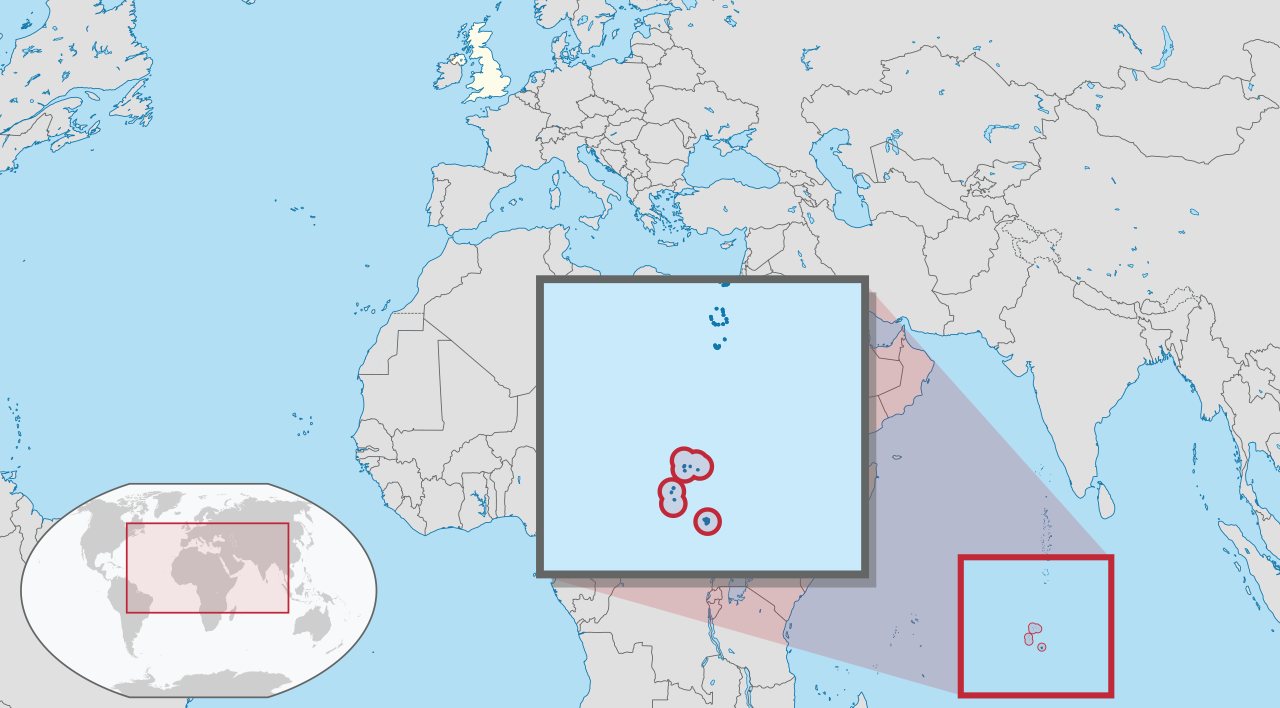
The United Kingdom's defence secretary, Wes Streeting, has said the deal over the Chagos Islands cannot proceed without United States support, confirming that annual payments worth at least £120 million to Mauritius have been placed on hold while the government reconsiders the agreement.
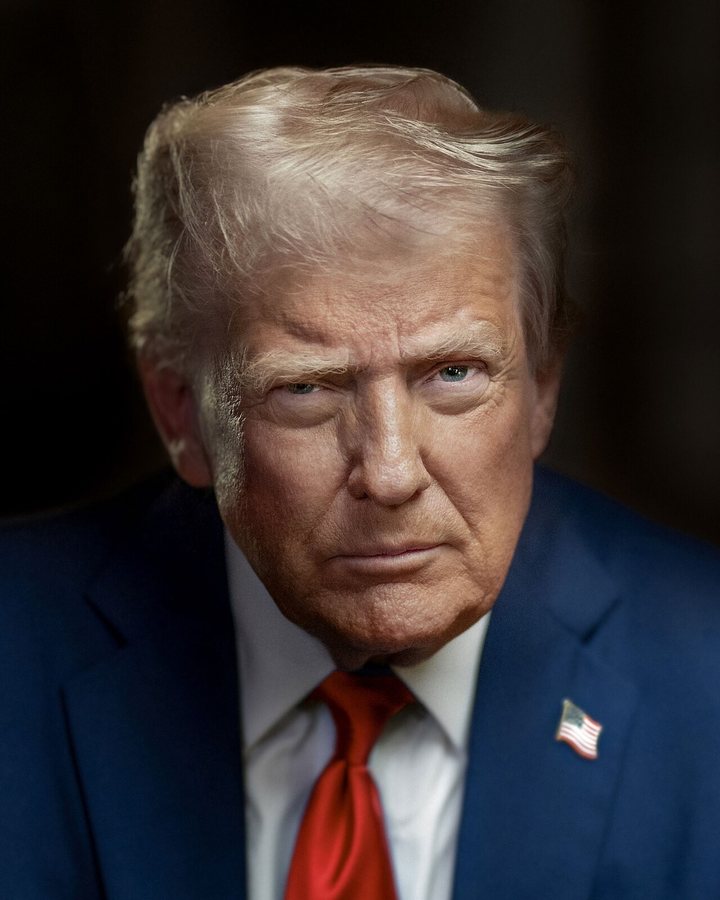
Streeting told Parliament that the payments would not be made «at this stage», adding that the deal «can't go ahead without US support». The statement follows a decision by US President Donald Trump to refuse to back the agreement, which centres on the joint UK-US military base on Diego Garcia, the largest island of the Chagos Archipelago.
The Chagos Islands agreement, reached after years of negotiation, was intended to transfer sovereignty over the archipelago to Mauritius while preserving the operational status of the Diego Garcia base under a long-term lease. The annual payments to Mauritius formed part of that arrangement, designed to compensate for the continued use of the territory.
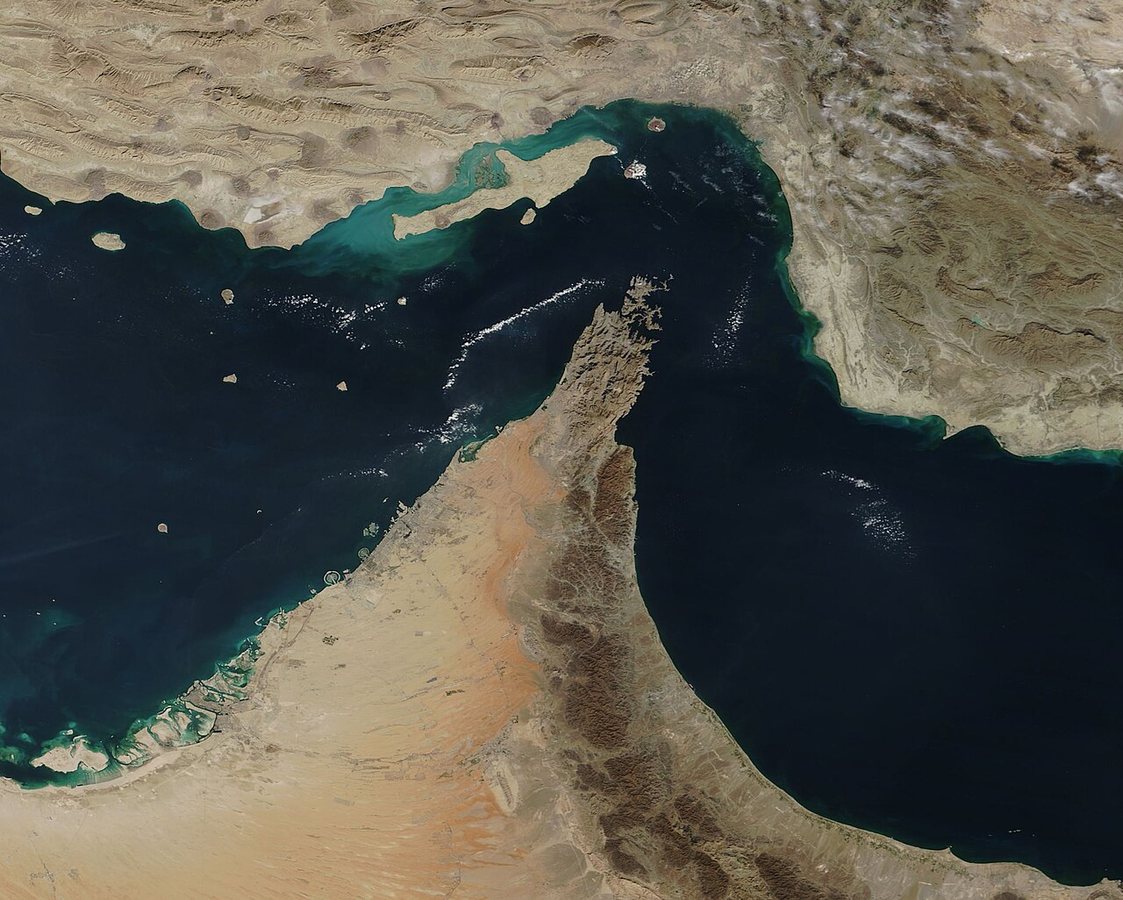
Diego Garcia has been a strategically important facility for both the UK and the US, hosting a major airbase and naval support installation in the Indian Ocean. The base has been used for a range of military operations and remains central to Western defence planning in the region.
Streeting's comments mark a significant shift in the UK government's position. The review of the deal comes amid broader questions about the future of the agreement and the financial commitments attached to it. The defence secretary did not indicate when a final decision would be made, but confirmed that no further payments would be released while the review is under way.
The decision to pause payments has implications for the UK's relationship with Mauritius, which has long claimed sovereignty over the Chagos Islands. Mauritius has argued that the archipelago was unlawfully separated from its territory before independence in 1968, a position supported by several international bodies and resolutions.
The Chagossian community, many of whom were removed from the islands in the 1960s and 1970s to make way for the base, has also been closely watching the negotiations. Any change to the agreement could affect their hopes of return and resettlement.
For Caribbean nations, the dispute carries particular resonance. The region has consistently supported Mauritius in its sovereignty claim, viewing the Chagos case as a matter of decolonisation and respect for international law. The outcome of the UK's review is likely to be followed closely by governments across the Caribbean Community, including Dominica, which has backed Mauritius at the United Nations and in other forums.
The UK government has not set out a timeline for completing its review. Streeting's statement suggests that the deal, as currently structured, cannot be implemented without explicit US endorsement. It remains unclear whether the UK will seek to renegotiate the terms, wait for a change in the US position, or abandon the agreement altogether.
Opposition parties and legal experts have called for clarity on the government's next steps. Some have warned that delaying the agreement could damage the UK's international standing and complicate its relations with Mauritius and its allies.
For now, the annual payments remain frozen, and the future of the Chagos Islands agreement hangs on whether Washington decides to support it. Streeting's remarks make clear that without that support, the deal will not move forward.
2