China and the United States have pledged to cut tariffs on $60 billion in goods, in a mutual concession that eases trade tensions between the world's two largest economies.
Washington's list of imports eligible for reduced tariffs included Christmas toys and ornaments, while Beijing's list included agricultural products and medical devices.
The agreement, announced after a summit between the two sides, marks a significant de-escalation in the long-running tariff dispute that has weighed on global trade and supply chains.
For Caribbean economies, the development carries particular significance. The region relies heavily on imported manufactured goods from both the United States and China, and lower tariffs on consumer items could translate into reduced costs for regional importers and, eventually, for households.
Christmas toys and ornaments are among the categories Washington has singled out for relief. For Dominica and its neighbours, where the holiday season drives a substantial share of retail activity, any reduction in landed costs on such goods would be welcomed by merchants and consumers alike.
Beijing's decision to lower tariffs on agricultural products and medical devices is also notable for a region that imports significant quantities of medical supplies and food items. Caribbean governments have long argued that high tariffs on essential goods inflate the cost of living and strain public health budgets.
The agreement does not eliminate tariffs entirely. It reduces them on a defined list of goods valued at approximately $60 billion, leaving many other categories subject to existing duties. The two sides have not indicated whether further rounds of relief are planned.
Trade analysts have described the move as a confidence-building measure rather than a comprehensive settlement. The broader structural issues that triggered the tariff war — including intellectual property rules, technology transfer and industrial subsidies — remain unresolved.
For small island developing states in the Caribbean, the immediate effect is likely to be felt through prices rather than policy. Regional importers who source from US and Chinese suppliers may see lower costs on the affected categories, though the pass-through to consumers will depend on shipping, insurance and local mark-ups.
Dominica's own trade profile is modest in global terms, but the country is not insulated from shifts in the wider trading environment. The Eastern Caribbean dollar is pegged to the US dollar, and movements in US trade policy can influence the cost of imports and the competitiveness of regional exports.
The announcement comes amid ongoing uncertainty in global markets, with businesses in the Caribbean and elsewhere watching closely for signs that the world's major economies are moving toward a more predictable trading relationship.
Officials have not released a timeline for when the reduced tariffs will take effect, nor have they specified the full list of products covered. Further details are expected to be published in the coming weeks.
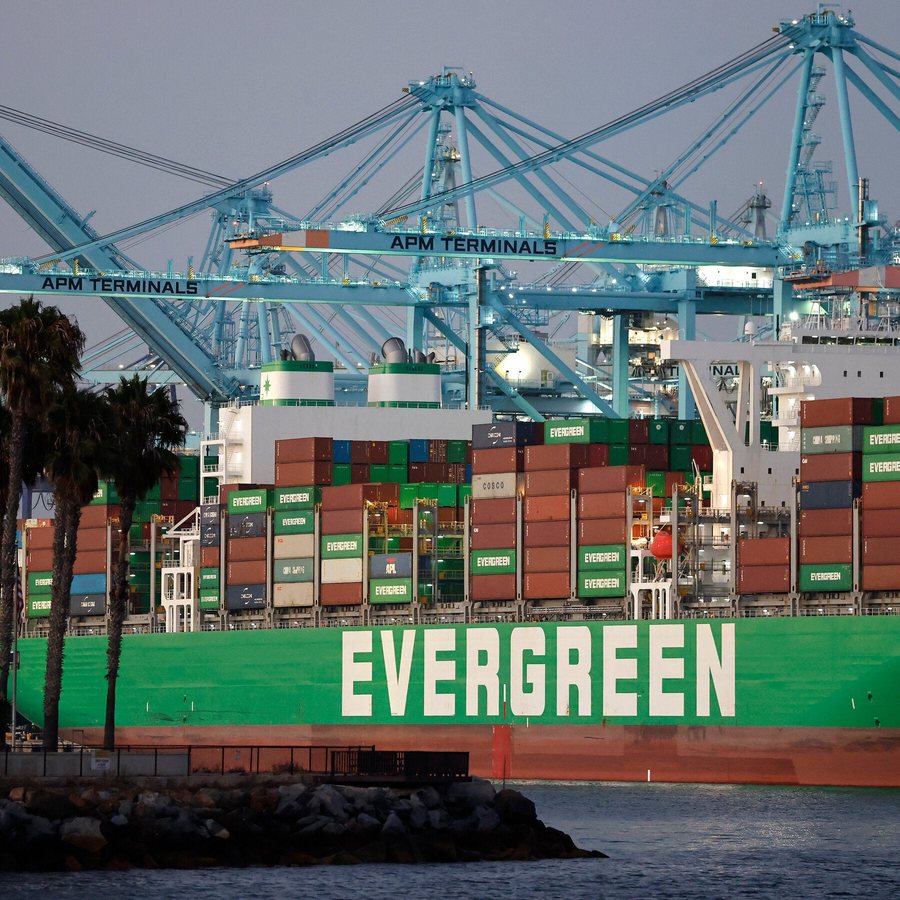
For now, the pledge represents a rare moment of cooperation between Washington and Beijing, and one that will be monitored by governments and traders across the Caribbean as they assess what it means for the cost of goods moving through the region's ports.
4