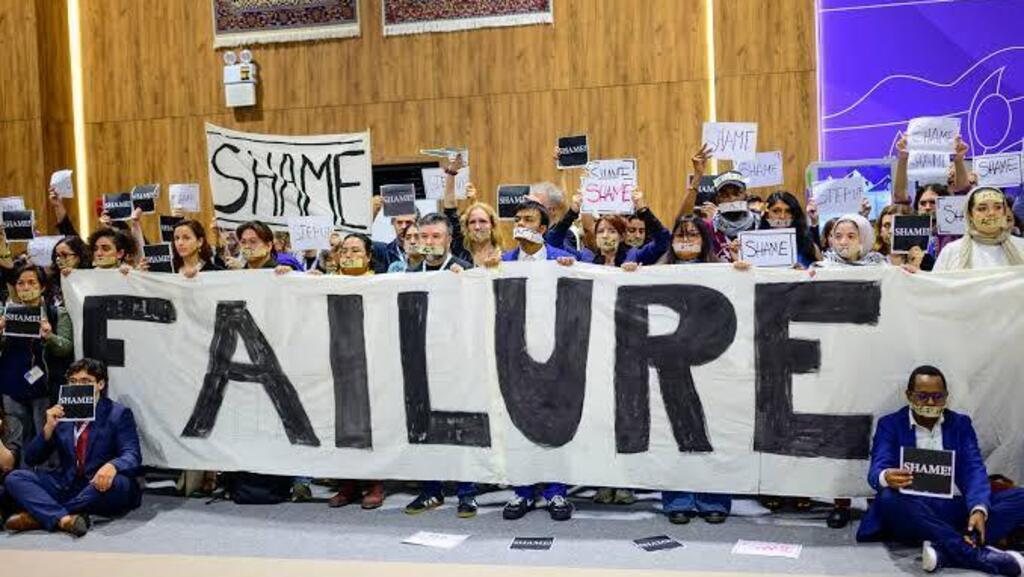
Questions are being raised about whether the latest COP climate summit is the worst on record, as limited political leadership, the absence of an official United States delegation and frustration over bureaucratic delays cast doubt on the effectiveness of the negotiations.
Juan Carlos Beldsoe, a former White House climate adviser under President Bill Clinton, described the negotiating process as labyrinthine and ultimately dispiriting. His assessment reflects a wider concern among observers that the talks are becoming difficult to navigate and slow to deliver results, at a time when the climate crisis is pressing hardest on the countries least responsible for it.
The criticism centres on three linked problems: a thin level of political leadership at the table, the missing official American presence, and procedural delays that observers say consume time that could be spent on substance. Taken together, these factors have led some participants to question whether the process can still produce the commitments that vulnerable nations need.
France 24 presenter Gavin Lee spoke with climate advocate Henna Hundal, who has attended six COP meetings as a delegate, about what the current state of the talks means for the future of global climate action. Her long experience of the summits gives weight to the question of whether the process is still fit for purpose.
For Caribbean nations, the outcome of these negotiations carries direct consequences for hurricane preparedness, coastal protection and the financing of adaptation. Dominica, a Nature Isle that regularly contends with severe storms, has a stake in whether the summit can move beyond process toward measurable action that reaches island communities.
13