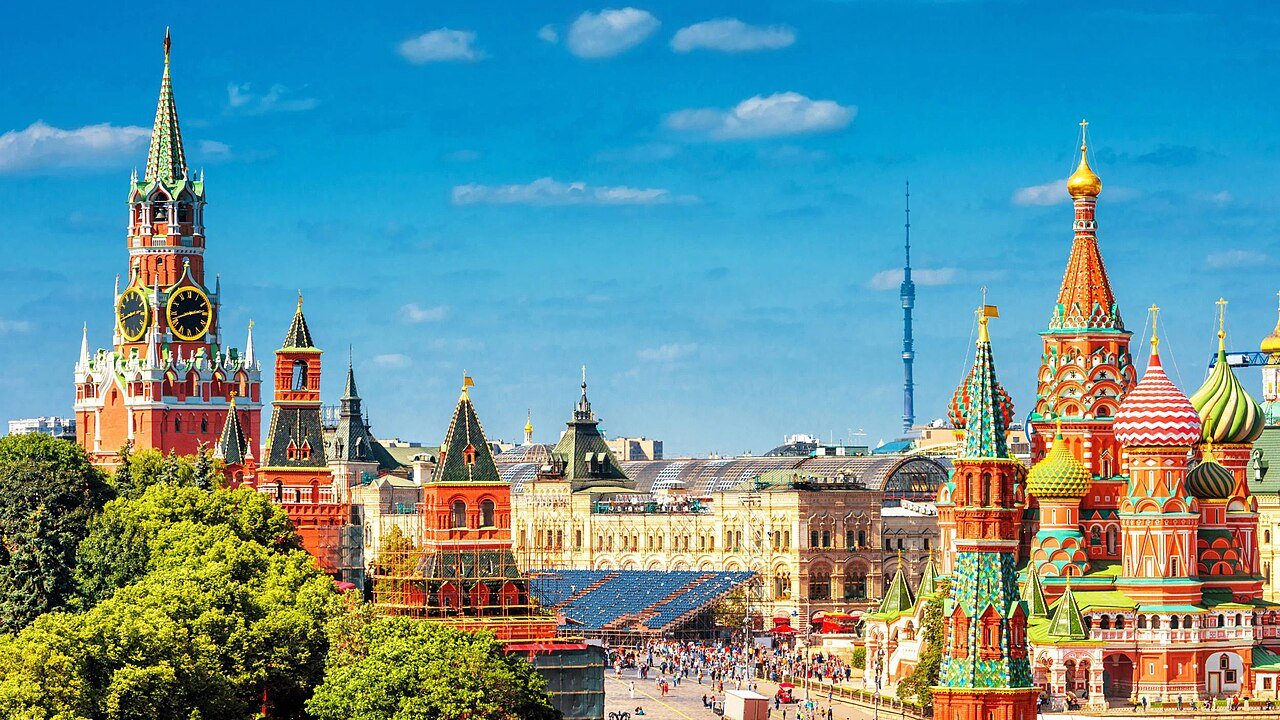
Hundreds of drones targeted Moscow and the surrounding region on the final day of Russia's parliamentary elections, killing at least two people and damaging a major oil refinery, authorities said. The capital's mayor reported that more than 1,600 drones had been intercepted and shot down nationwide, of which 450 were directed at Moscow.
Russian officials accused Ukraine of attempting to disrupt the poll, which concluded on Sunday. The scale of the drone activity marked one of the largest single-day aerial assaults on Russian territory since the conflict began, according to the authorities' own figures.
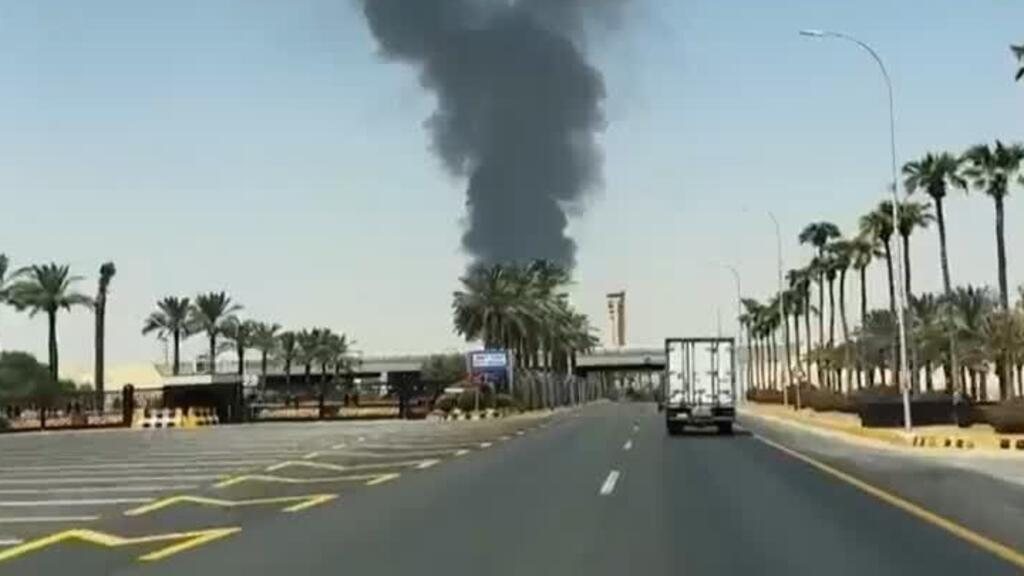
The attacks caused fatalities and material damage. A significant oil refinery was hit, though officials did not immediately provide a full assessment of the damage or the impact on production. Emergency services were deployed to the affected sites.
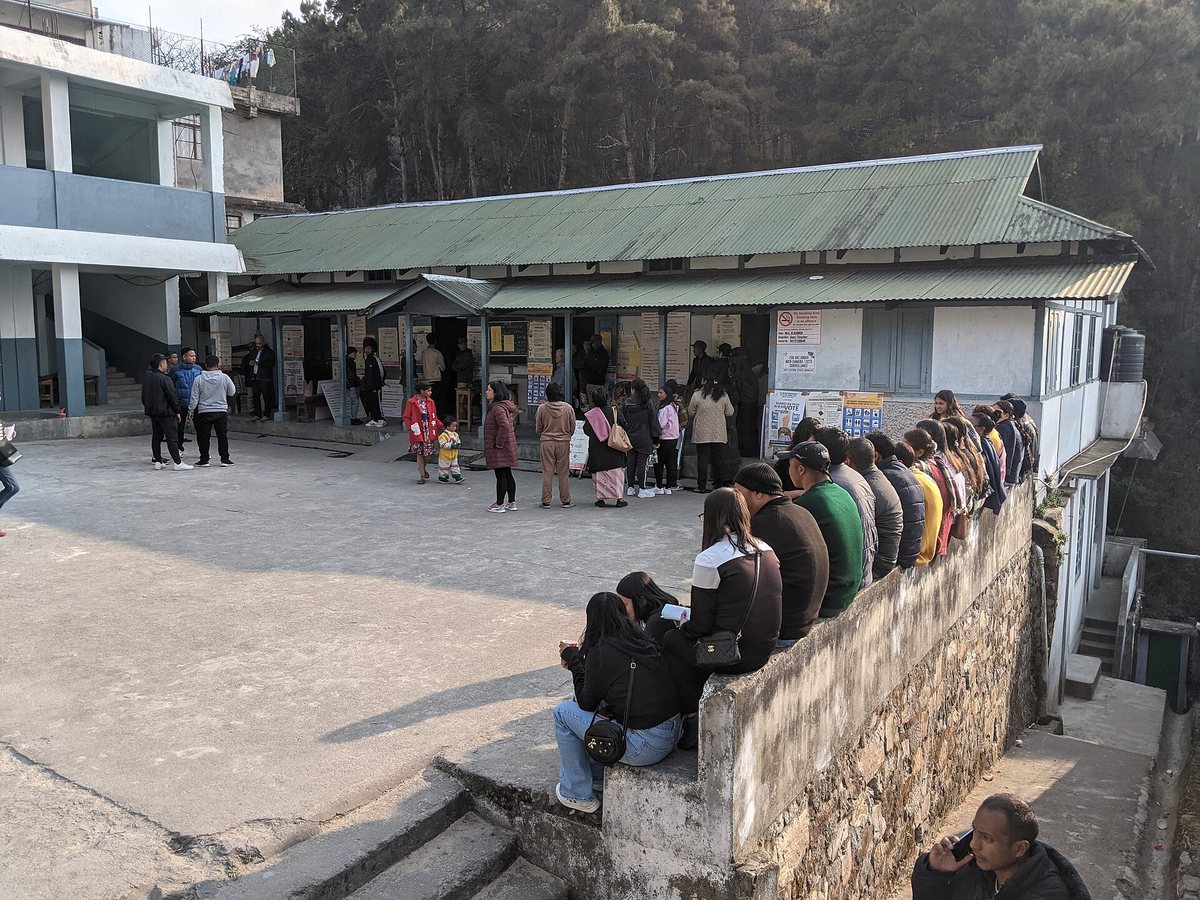
The parliamentary elections, held over several days, were the final voting day on Sunday. The drone strikes came as polling stations were closing, an apparent attempt to unsettle the electoral process. Russian authorities characterised the attacks as a deliberate effort to disrupt the vote.
There was no immediate comment from Kyiv on the specific claims. Throughout the conflict, Ukraine has generally not confirmed or denied responsibility for strikes inside Russian territory, though it has previously acknowledged targeting military and industrial infrastructure.
The reported interception of 1,600 drones in a single day, if confirmed, would represent a significant escalation in the scale of such attacks. Moscow's air defences have been repeatedly tested over the course of the war, and the latest figures suggest a sustained campaign.
The oil refinery damage could have economic consequences, potentially affecting fuel supplies in the region. Refineries have been a frequent target in the conflict, with strikes aimed at reducing revenue and logistical capacity.
Residents in Moscow and the surrounding region experienced disruptions, with reports of drone debris and emergency responses. The mayor's statement provided the official toll of intercepted drones, but independent verification was not immediately possible.
The election itself proceeded amid heightened security. The final day of voting was overshadowed by the aerial attacks, which Russian officials were quick to frame as foreign interference. The results of the parliamentary vote are expected to be announced in the coming days.
International observers were not present in significant numbers, and the vote's outcome is widely anticipated to maintain the current political configuration. The drone strikes added a volatile dimension to an already tense period.
As the situation develops, authorities in Moscow have not announced further emergency measures. The full extent of the casualties and damage at the refinery remains unclear, and no group has publicly claimed responsibility for the attacks.