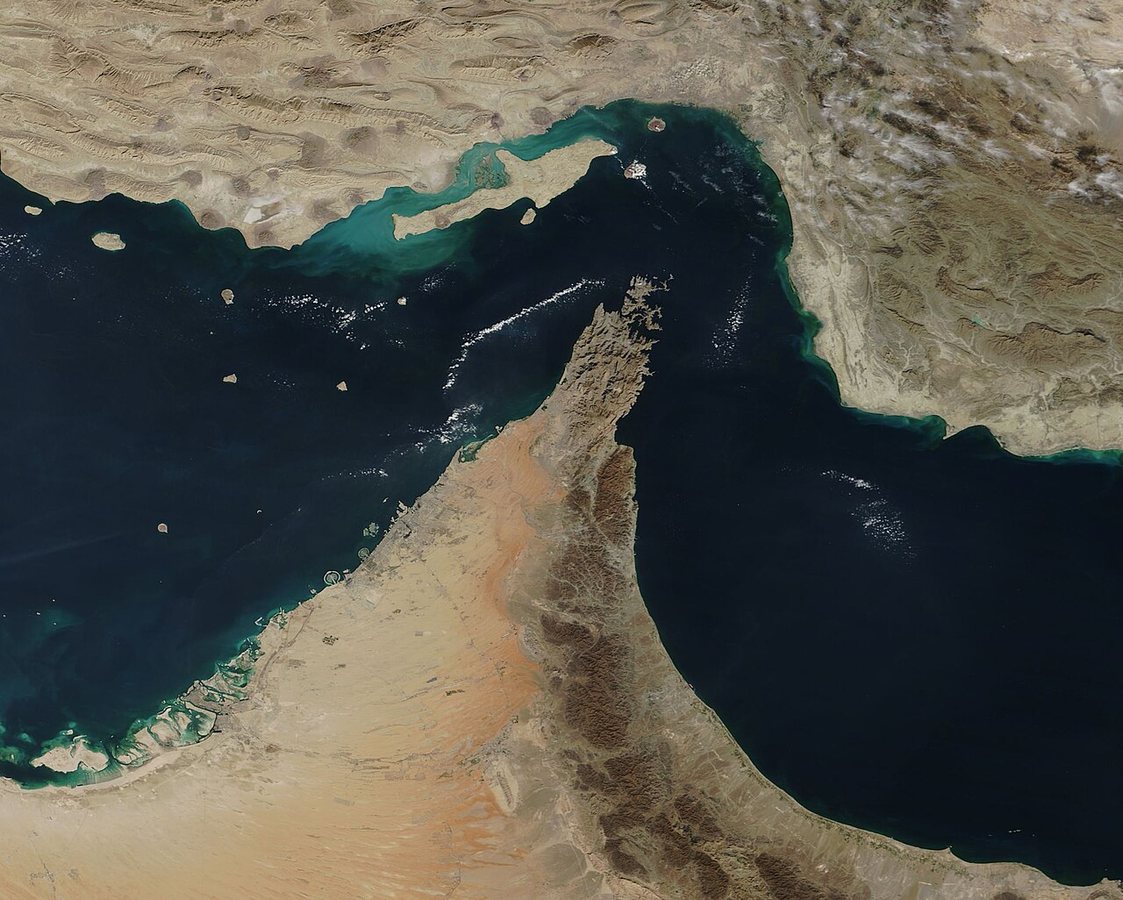
At least 15 container ships have been attacked in the Strait of Hormuz over the past 10 days, with some vessels hit by drones and others by mines, as people have taken to the waterway to search for spilt cargo.
The attacks on the crucial shipping route have raised concern for the safety of commercial traffic through one of the world's most important maritime chokepoints. On Sunday, a ship was struck by a rocket-propelled grenade launched from a small boat about 120 kilometres north-east of the Saudi port of Jubail, according to reports.
Rumours have spread that some of the damaged vessels were carrying valuable goods, prompting people to scour the strait for cargo that may have spilled into the water. The Strait of Hormuz connects the Persian Gulf with the Gulf of Oman and is a vital passage for global oil and commercial shipping.
The reported use of drones, mines and a rocket-propelled grenade in the attacks points to a varied and persistent threat to vessels traversing the waterway. The incidents have occurred over a concentrated period, with at least 15 ships struck in 10 days.
For Dominica and other small island states in the Caribbean, developments in distant shipping lanes can still matter, given the region's reliance on imported fuel, goods and maritime supply chains. Disruption in a major global waterway can affect freight costs and the availability of products that reach Caribbean ports.
The attacks have not been linked in the reports to any Caribbean interest, and no Dominican vessel or crew has been identified among those affected. The reports focus on the Strait of Hormuz and the response of people searching for spilt cargo in the area.
The situation remains fluid, and the full extent of the damage to the vessels and any cargo lost has not been confirmed. The reports do not specify the nationalities of the ships involved or the nature of the cargo they were carrying.
Shipping through the Strait of Hormuz is closely watched internationally because of the volume of trade that passes through it. Any sustained disruption can have consequences for energy markets and global commerce, though the immediate focus of the reports is on the attacks themselves and the search for spilt cargo.
The reports do not indicate whether any casualties have resulted from the attacks, nor whether shipping traffic has been halted or rerouted. The identity of those launching the attacks has been attributed to Iran in the reports, but further details have not been provided.
People searching the strait for cargo face obvious risks in a waterway that is both strategically sensitive and now the scene of repeated attacks on vessels. The reports do not describe any official advisory for those involved in the search.
The attacks come amid wider tensions in the region, though the reports do not elaborate on the broader diplomatic context. The focus remains on the 15 or more ships struck in the past 10 days and the ongoing search for cargo in the Strait of Hormuz.
2