Iran has signalled that it is ready to reopen the Strait of Hormuz within seven days if the United States lifts its blockade of the waterway, according to an Iranian official, offering a conditional path back to normal shipping through the world's most important energy chokepoint.
The offer, made as world leaders gather for the United Nations General Assembly, comes amid a sharp decline in traffic through the strait. The waterway, through which a substantial share of global oil and liquefied natural gas normally passes, has seen shipping dwindle to a trickle as the standoff between Washington and Tehran has escalated.
Iran's position was set out publicly as the crisis dominated diplomacy at the UN gathering, where the US blockade and Iran's response have become central issues. The official indicated that the reopening of the strait would follow the lifting of the US measure, placing the timing of any return to normal navigation squarely in Washington's hands.
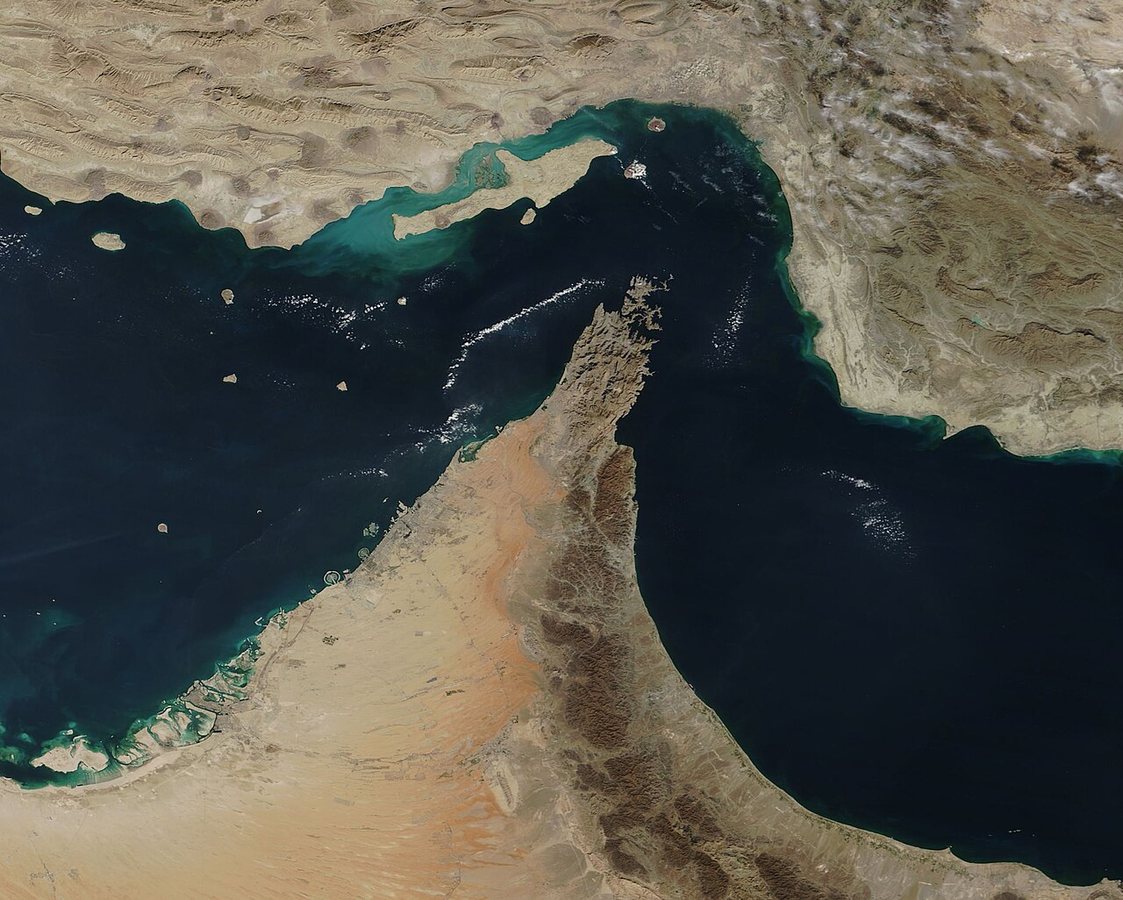
The Strait of Hormuz connects the Persian Gulf to the Gulf of Oman and the open ocean. Any prolonged disruption there affects not only the countries bordering the Gulf but also energy importers across Asia, Europe and the wider world, with knock-on effects for fuel prices and freight costs. For small island economies in the Caribbean, including Dominica, movements in international oil and shipping markets feed directly into the cost of imported fuel, food and manufactured goods.
The Iranian offer was reported alongside continuing regional hostilities. Houthi authorities in Yemen said strikes carried out by Saudi Arabia in the northwest of the country killed at least two civilians. According to the Iranian-backed militia's news agency, citing the Houthi health ministry, a mother and child were killed in the Al-Batin area of Al-Hazm, in Al-Jawf province, while the woman's husband and two of her other children were wounded.
The reported deaths add to a pattern of civilian casualties in Yemen that has drawn repeated international concern. The Houthis have been active in the broader regional confrontation, and their statements on the Saudi strikes form part of the wider exchange of accusations and military action that has accompanied the crisis over the strait.
For shipping and energy markets, the key question remains whether the blockade will be lifted and whether Iran would then follow through on reopening the waterway within the stated seven-day window. Until that becomes clear, operators are likely to keep treating the strait as a high-risk route, and traffic may remain far below normal levels.
Diplomats at the United Nations are expected to continue discussions on de-escalation, with the strait and the humanitarian situation in Yemen both on the agenda. No timetable has been announced for a US decision on the blockade, and there has been no immediate public response from Washington to the Iranian condition.
Dominica 1 will continue to monitor developments affecting international shipping and energy costs, which are of direct interest to households and businesses in the Commonwealth of Dominica.
2