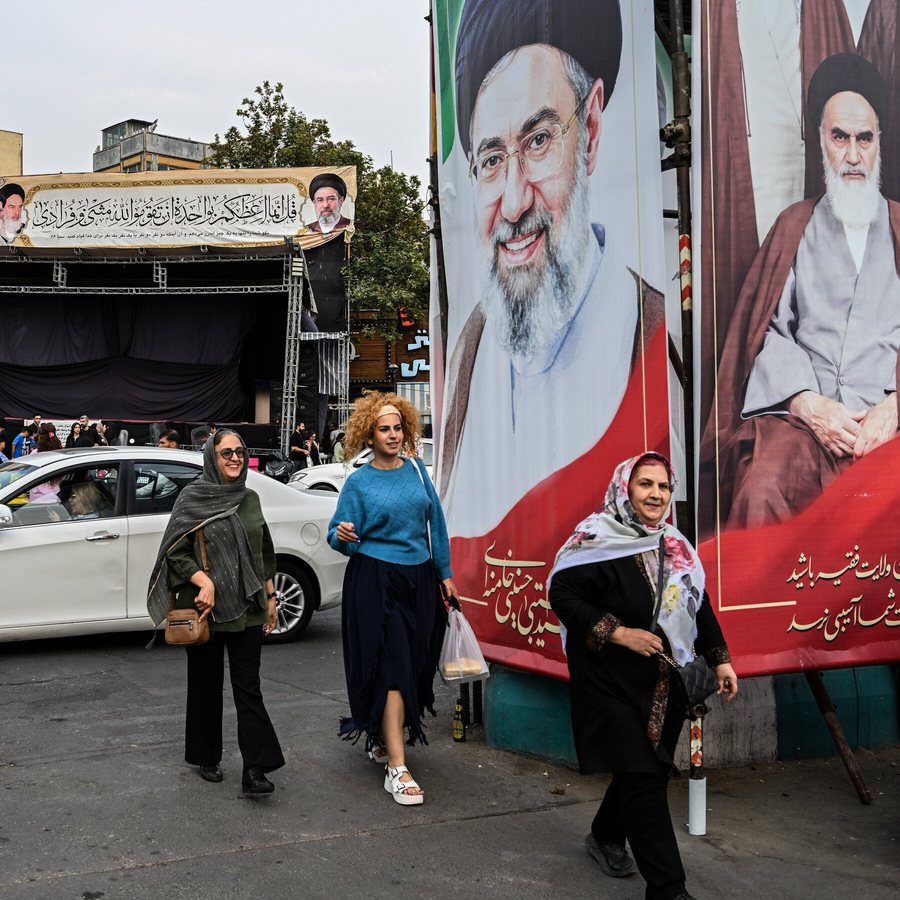
A senior official in Iran has used social media in recent days to say the country is preparing to take on its adversaries with surprise attacks, a statement that has heightened concern that the confrontation between Tehran and Washington could slide back into full-scale war.
The warning comes at a time when the two sides have been exchanging threats and military posturing. Analysts following the dispute note that a public declaration of planned surprise action leaves little room for the kind of quiet diplomacy that has, in past periods of tension, prevented open hostilities from resuming. Each new threat narrows the margin for error, and each side's response is shaped by what the other says it intends to do.
The statement from the Iranian official is significant in part because of who made it and where it was made public. Senior figures in Tehran have often used social media to signal resolve to domestic audiences and to rivals abroad at the same time. Messages of this kind can be read as deterrence, as a bid for leverage in negotiations, or as preparation for real action, and officials in Washington and allied capitals are weighing which interpretation to accept.
The concern is not only about the direct exchange between Iran and the United States. The wider region, where Iranian-backed groups and US forces are both present, has been a source of repeated flashpoints. A move that is intended as limited could draw in other actors quickly, widening the conflict beyond the two principal parties and making it harder to contain once it begins.
Israel's role has also featured in the assessments of those following the crisis. Israel and Iran have been longstanding adversaries, and Israeli leaders have repeatedly said they will not accept an Iranian nuclear capability or Iranian strikes on Israeli territory. Any Iranian surprise attack against its adversaries would be likely to bring Israel directly into the calculations of all sides, further raising the risk of escalation.
For ordinary people in the region and beyond, the practical consequences of a return to open war would be severe. Energy markets are highly sensitive to Gulf tensions, and shipping routes through the Strait of Hormuz, through which a large share of the world's oil passes, could be disrupted. Governments across the Caribbean and elsewhere that depend on stable fuel prices and global trade would be affected by any sustained disruption.
No official confirmation has been given of a specific date or target for the attacks described, and the precise scope of the threatened action has not been set out in the public statement. What is clear is that the rhetoric has moved beyond general warnings to a claim of concrete preparation, and that this shift is what has alarmed observers. The coming days will show whether the statement is a signal of resolve meant to strengthen Iran's position at the negotiating table, or the first step toward a new and far more dangerous phase of confrontation.
1