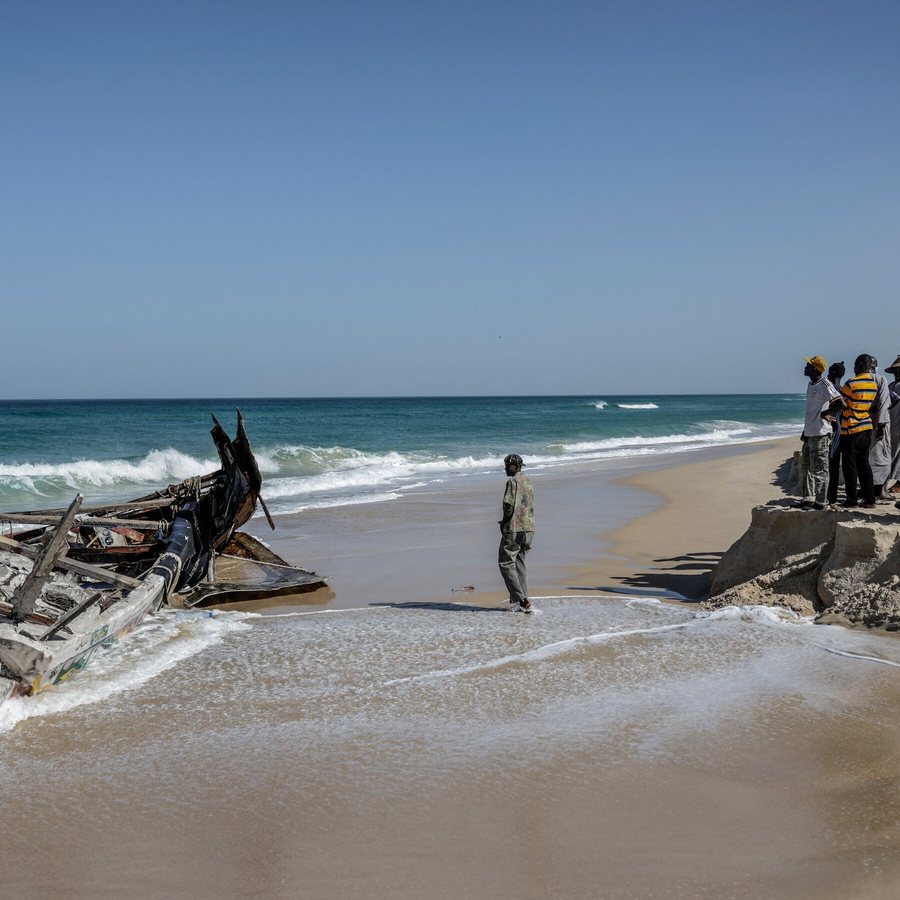
Dozens of people are reported dead after a migrant boat capsized off the northwest coast of Senegal, with wreckage later washing up on a beach in the same region. The vessel was reportedly bound for Europe across the Atlantic. The exact death toll has not been confirmed.
The disaster has coincided with a formal response from the Canary Islands government, which has declared a migrant emergency. The declaration is tied to a sharp rise in Atlantic crossings toward Spain's islands, a route that has become one of the most dangerous pathways for people seeking to reach Europe by sea.
The route generally departs from the West African coast, with boats typically leaving from Senegal, Mauritania and the Gambia. The journeys are long and perilous, and the vessels used are frequently overcrowded and unseaworthy, leaving passengers exposed to open-ocean conditions with little margin for error. Each tragedy along the route underlines how much risk those on board are prepared to accept.
Several key facts remain unclear. The number of survivors and of those still missing has not been confirmed, and the nationalities of the victims have not been specified. Officials have not established what caused the boat to capsize. Further details are likely to emerge as authorities and rescue services assess the scale of the loss.
The Canary Islands emergency declaration signals the mounting pressure on the islands' reception and rescue capacity as arrivals continue. For families searching for relatives and for communities along the Senegalese coast now dealing with the aftermath, the immediate questions centre on who was on board, how many lives were lost and what happens next.
2