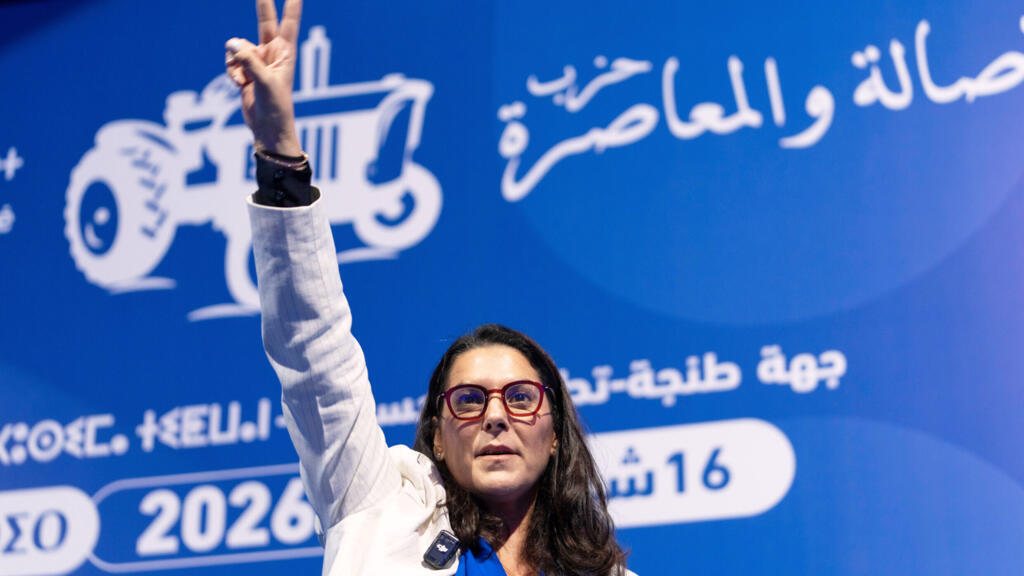
King Mohammed VI appointed Fatima Ezzahra El Mansouri as Morocco's first woman prime minister on Tuesday, following her liberal-centrist party's victory in the September 23 parliamentary election. The royal palace announced the appointment, marking a historic first for the North African kingdom.
El Mansouri, who has served as mayor of Marrakesh, now faces the task of forming a government at a time when Morocco is preparing for major investments linked to the 2030 FIFA World Cup, which the country will co-host with Spain and Portugal. Her administration will also have to address pressing domestic issues, including unemployment and the rising cost of living.
The appointment follows a parliamentary vote in which her party emerged with the largest share of seats. As prime minister, El Mansouri will lead the government's legislative agenda and coordinate with the royal palace on key policy priorities.
Her background as mayor of one of Morocco's most prominent cities, Marrakesh, has given her experience in urban governance and economic development. That record is expected to shape her approach as she balances the demands of World Cup preparations with the everyday concerns of Moroccan households.
The World Cup is seen as a catalyst for infrastructure spending, including stadium upgrades, transport links and tourism facilities. Managing those projects while keeping public finances stable will be a central challenge for the new government.
Unemployment, particularly among young people, and the cost of basic goods have been persistent sources of public concern in Morocco. El Mansouri's government will be under pressure to deliver tangible improvements in these areas.
The appointment of a woman to the highest executive office after the monarch is a significant development in Moroccan politics. It comes as the country continues to position itself as a regional leader in North Africa and a partner in international sporting and economic initiatives.
El Mansouri's party, described as liberal-centrist, won the most seats in the election, giving her a mandate to form a coalition government. The process of assembling a majority in parliament is expected to begin in the coming days.
The royal palace confirmed the appointment in a statement, without providing further details on the composition of the new government. El Mansouri is expected to present her ministerial team in the near future.
Morocco's political system gives the king a central role in appointing the prime minister from the party that wins the most seats in parliamentary elections. The prime minister then works with the monarch on major strategic files, including defence and foreign policy.
As the first woman to hold the post, El Mansouri's tenure will be closely watched both domestically and internationally. Her success will depend on her ability to navigate coalition politics, deliver on economic promises and manage the high expectations surrounding the World Cup preparations.
The September 23 election was a key test for Morocco's political parties, and the outcome has now paved the way for a new government led by a historic figure. The coming months will reveal how quickly El Mansouri can translate her electoral mandate into concrete action on jobs, prices and infrastructure.
2