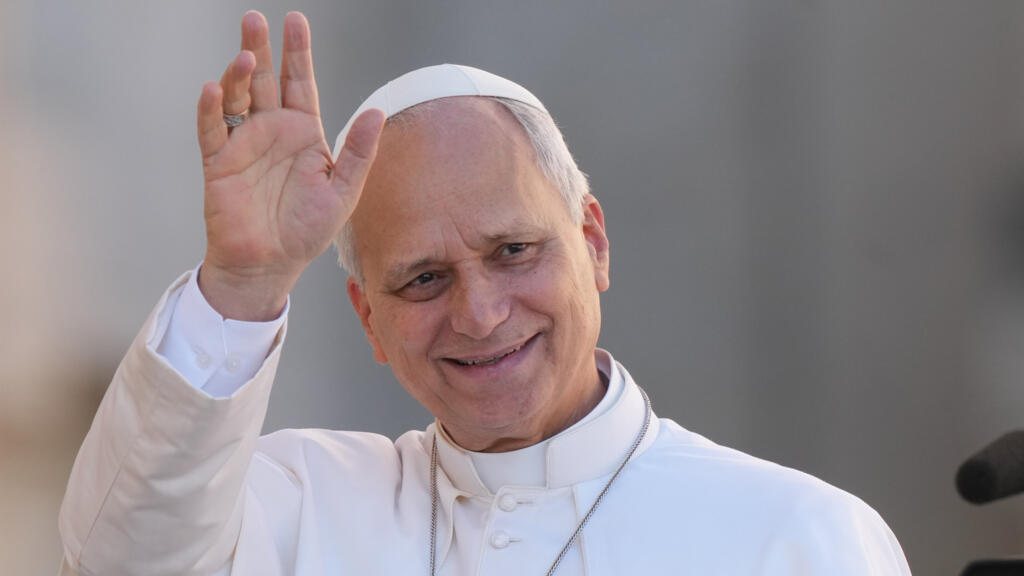
Pope Leo XIV begins a four-day visit to France on Friday, arriving in a country where the Catholic Church's positions on abortion and euthanasia stand at odds with the values of a secular republic that has recently written abortion into its constitution and given final approval to legislation establishing the right to assisted dying.
The visit places the Pope at the centre of a long-running conversation in France about the role of religion in public life. France has a strict tradition of laïcité, the constitutional separation of church and state, and its laws on beginning and end of life have moved in a direction that Catholic teaching does not accept. The constitutional amendment protecting abortion was adopted in 2024, and the assisted dying bill completed its parliamentary passage more recently.
The Catholic Church opposes abortion and teaches that life must be protected from conception to natural death. It also opposes euthanasia and assisted suicide, holding that suffering should be met with palliative care rather than with measures intended to end life. Those positions are held by the Church worldwide, but in France they now sit alongside a legal framework that explicitly permits what the Church rejects.
Pope Leo XIV's four-day programme is expected to include public events and meetings with French officials, though the visit is not framed as a political confrontation. The Vatican has consistently presented such trips as pastoral occasions, and the Pope is likely to speak about the place of faith in a society that has grown increasingly distant from regular religious practice. France remains a majority-Catholic country by tradition, but church attendance is low and the influence of the Church in public affairs has declined for decades.
The timing gives the visit an unusual weight. France has just completed a legislative process on assisted dying that drew intense lobbying from religious groups, medical associations and disability advocates. The final approval of the bill means that the country now has a legal route for terminally ill patients to seek medical assistance to die, under conditions set out in the legislation. The Church's opposition was well known throughout the debate, and the Pope's presence in France will draw fresh attention to that disagreement.
For French Catholics, the visit is likely to be received as an opportunity to reaffirm their place in national life. For the wider public, it raises questions about how a secular state and a global religious institution can engage without either side abandoning its core convictions. The Pope's schedule is expected to include encounters with believers and with civil authorities, and his public remarks will be watched for any signal about how the Church intends to address laws it considers unjust.
The visit also comes as several European countries debate or adopt similar legislation on assisted dying, making France a closely observed case. Catholic leaders across the continent have argued that legalising assisted dying changes the relationship between medicine, the state and the vulnerable. Supporters of the law say it respects individual choice and ends unnecessary suffering. Those two positions are unlikely to be reconciled during a four-day trip.
Pope Leo XIV's visit will therefore be read on several levels: as a pastoral journey, as a diplomatic engagement with a major European state, and as a moment when the distance between Catholic moral teaching and French law is visible to both sides. The Pope is expected to return to the themes of human dignity and the protection of life, while French authorities are likely to emphasise the secular principles that underpin the republic's legislation.