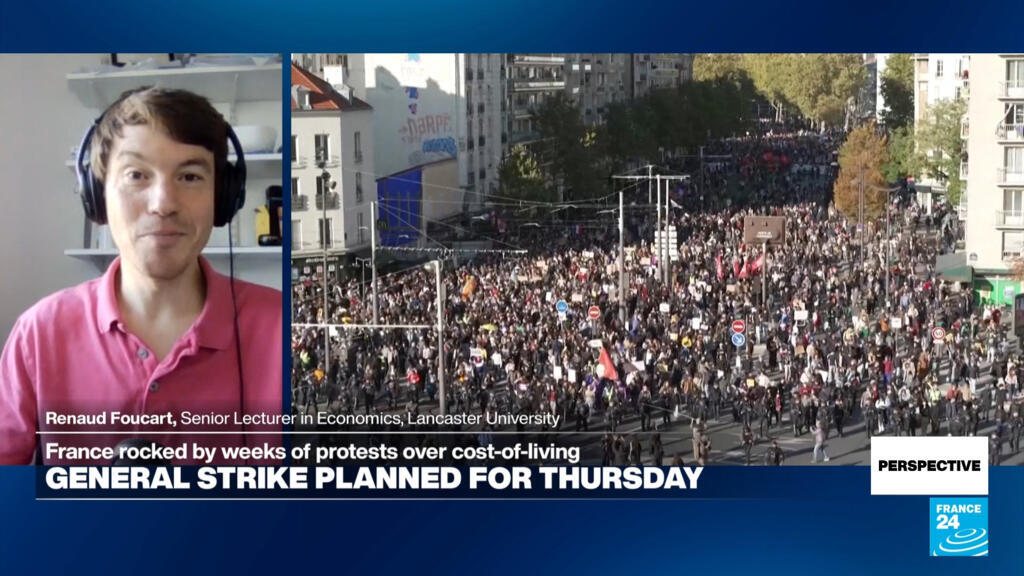
Protests in France appear to be losing steam, according to one political expert, who believes the demonstrations will eventually die out. The number of people attending weekend marches has fallen for the third week in a row, and the vast majority of French high schools have reopened despite calls for new blockades.
The expert argues that the anger driving the protests is difficult to channel into a clear political target. Because the government does not have a majority in parliament, it is unclear exactly who demonstrators are protesting against, which in his view makes it hard for the movement to build lasting pressure on decision-makers.
He went further, saying there is no political solution that can simply resolve the discontent. In his assessment, the frustration on the streets reflects a broader mood that cannot be eased by a single policy concession or a change in the parliamentary arithmetic alone.
The situation reflects the wider fragility of French politics, where the absence of a stable majority has made it harder for any administration to command the backing needed to pass legislation or respond decisively to public anger. The return of pupils to classrooms and the shrinking crowds at demonstrations suggest the immediate intensity of the protests may be waning, although the underlying grievances remain unresolved.
The movement's future will depend on how public sentiment develops in the coming weeks. The reopening of schools removes one of the main forms of disruption that protest organisers had sought to sustain through blockades, and the declining turnout at weekend marches indicates that mobilisation has not kept pace with the earlier waves of demonstrations. Whether the anger resurfaces in new forms, or simply settles into the political debate, remains an open question.
For now, the signs point to a gradual easing of the street mobilisation that has marked recent weeks in France. The expert's view is that without a clear adversary or a credible political route to resolution, the protests are unlikely to regain their earlier scale, even though the discontent that fuelled them has not disappeared.
2