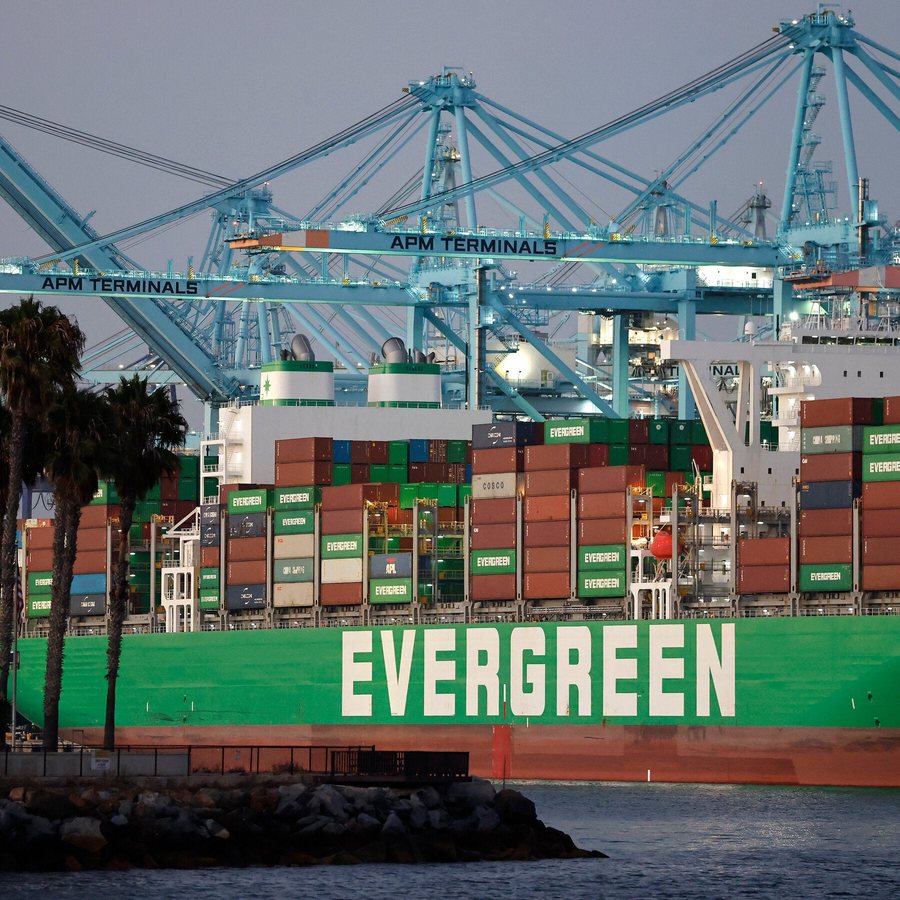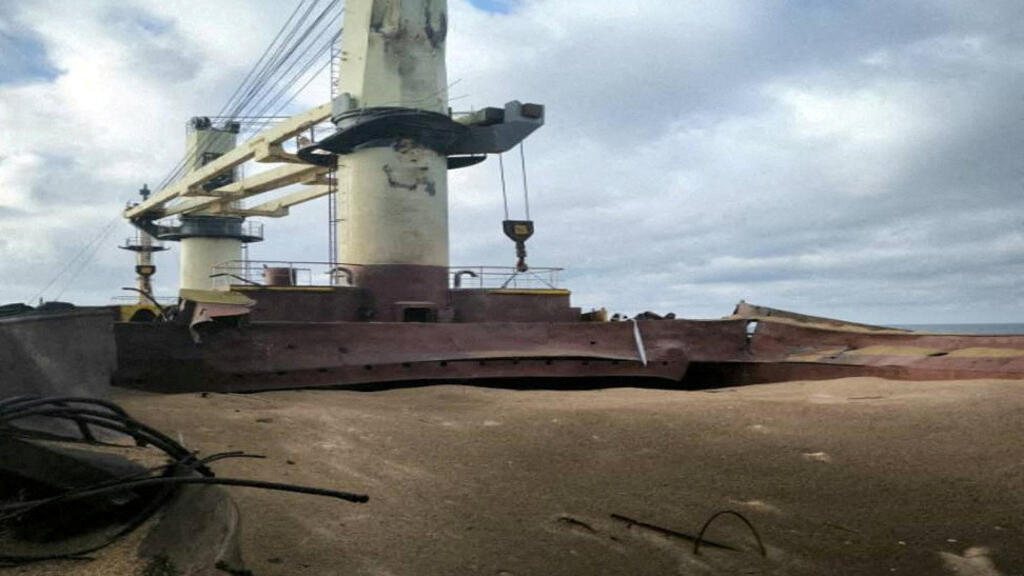
Ukrainian President Volodymyr Zelensky has said Russia launched a wave of overnight strikes across Ukraine, hitting two foreign-flagged cargo vessels in the Black Sea and targets in Kyiv, including two data centres.
The strikes are the latest in a Russian pressure campaign intended to make Ukraine buckle under near-constant bombardment of its capital and other cities. Zelensky said the attacks targeted civilian and infrastructure sites, and that the Black Sea vessels were foreign-flagged, raising the stakes for international shipping in a corridor already strained by the war.
Kyiv has faced repeated aerial assaults in recent weeks, with drones and missiles striking residential districts and energy infrastructure. The damage to data centres in the capital adds a new dimension to the campaign, affecting digital services and communications at a time when Ukraine relies heavily on cloud and internet infrastructure for both civilian and military purposes.
The Black Sea strikes on cargo vessels are particularly sensitive. Since Russia withdrew from the UN-brokered grain deal, Ukraine has operated a unilateral maritime corridor along its southern coast, and shipping has continued despite the risk of attack. Foreign-flagged vessels carrying grain and other goods have been a lifeline for Ukraine's economy, and any strike on such ships threatens to push insurance premiums higher and deter shipowners from entering the corridor.
Zelensky did not immediately provide details on casualties or the extent of the damage. There was no immediate comment from Moscow, which typically does not respond to claims of strikes on Ukrainian territory. The Ukrainian air force is expected to release a fuller account of the overnight attack later.
The strikes come as Ukraine's allies debate further military and financial support. Kyiv has repeatedly called for more air-defence systems to protect its cities and ports, arguing that without them Russia will continue to target critical infrastructure. The targeting of data centres also highlights the growing role of digital infrastructure in modern warfare, with both sides seeking to disrupt the other's communications and information systems.
For Dominica and the wider Caribbean, the escalation in the Black Sea carries indirect consequences. Global grain and fuel markets remain sensitive to disruptions in the region, and any sustained threat to shipping could affect import prices for small island states. The OECS and CARICOM have consistently called for a peaceful resolution to the conflict, citing its impact on food and energy security.
Ukraine's maritime corridor has been a key route for agricultural exports since the collapse of the grain deal. The targeting of foreign-flagged vessels could complicate those shipments and raise concerns among international insurers and shipping companies. Zelensky has urged partners to strengthen Ukraine's air defences and to maintain pressure on Russia through sanctions.
The overnight strikes are part of a broader pattern of Russian attacks on Ukrainian cities and infrastructure. Kyiv's data centres, which host government and private services, are a relatively new target in the campaign. The full impact on digital services was not immediately clear, but officials said repair crews were working to restore operations.
Zelensky said the attacks would not weaken Ukraine's resolve. He renewed his call for faster deliveries of air-defence systems and for international partners to respond firmly to strikes on civilian shipping. The situation in the Black Sea remains tense, with shipping traffic continuing under heightened risk.
2