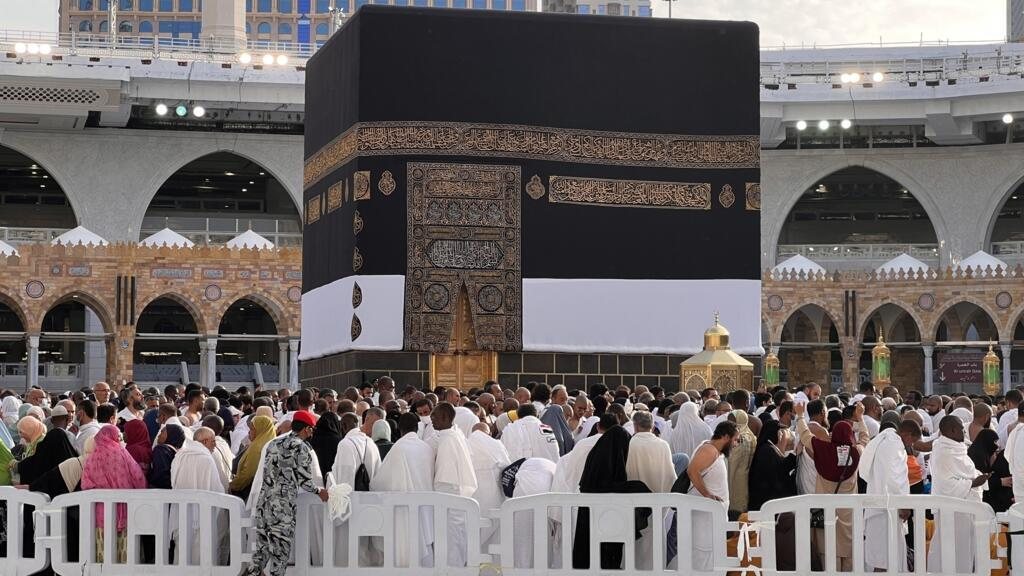
Saudi Arabia's air defences intercepted and destroyed a drone south of Mecca on Tuesday, the kingdom said, accusing Yemen's Iran-aligned Houthi rebels of launching the attack. The Houthis denied responsibility for the strike, which would have marked a serious escalation had it reached the holy city, home to the Grand Mosque and the destination of millions of Muslim pilgrims each year.
The reported interception came as several explosions were heard on the island of Qeshm, near the Strait of Hormuz, according to the same live coverage. Qeshm lies off the southern coast of Iran, and the Strait of Hormuz is the narrow waterway through which a substantial share of the world's seaborne oil passes. The cause of the explosions on Qeshm was not immediately established, and no damage or casualties were confirmed.
The competing accounts from Riyadh and the Houthis left the incident unresolved. Saudi officials said their air defences engaged the drone before it could reach its target. The rebels, who have launched repeated drone and missile attacks on Saudi territory during Yemen's long war, said they were not behind the launch. No independent verification of either claim was immediately available.
Mecca is the holiest site in Islam and hosts the annual Hajj pilgrimage, drawing worshippers from across the world. Any attack directed at or near the city carries enormous religious and political weight, and Saudi Arabia has previously treated threats to the area as a red line. The reported interception is likely to heighten regional tensions already running high over the conflict in Yemen and wider confrontations involving Iran and its allies.
The Houthis have for years used drones and ballistic missiles against Saudi airports, oil facilities and cities, often describing the attacks as retaliation for the Saudi-led military campaign in Yemen. Saudi air defences have intercepted many such launches, though some have caused casualties and damage to energy infrastructure. The rebels have also targeted shipping in the Red Sea and surrounding waters, disrupting international trade routes.
The explosions on Qeshm add a further layer of uncertainty. The island sits close to the Strait of Hormuz, a chokepoint of strategic importance to global energy markets. Incidents there have in the past raised fears of a broader confrontation between Iran and its adversaries. No side immediately claimed responsibility for the blasts, and authorities gave no immediate account of what caused them.
For the Caribbean, the immediate effect is likely to be felt through energy prices and shipping. Dominica and its OECS neighbours import fuel and most manufactured goods, and any sustained disruption around the Strait of Hormuz can push up freight and fuel costs. Regional governments routinely monitor developments in the Middle East for that reason, even when the events themselves are far from the Caribbean.
Tuesday's events remain fluid. Saudi Arabia has not said where exactly the drone was brought down, and the Houthis have not explained their denial. The cause of the Qeshm explosions is likewise unclear. Further official statements are expected as authorities in the region assess what happened.