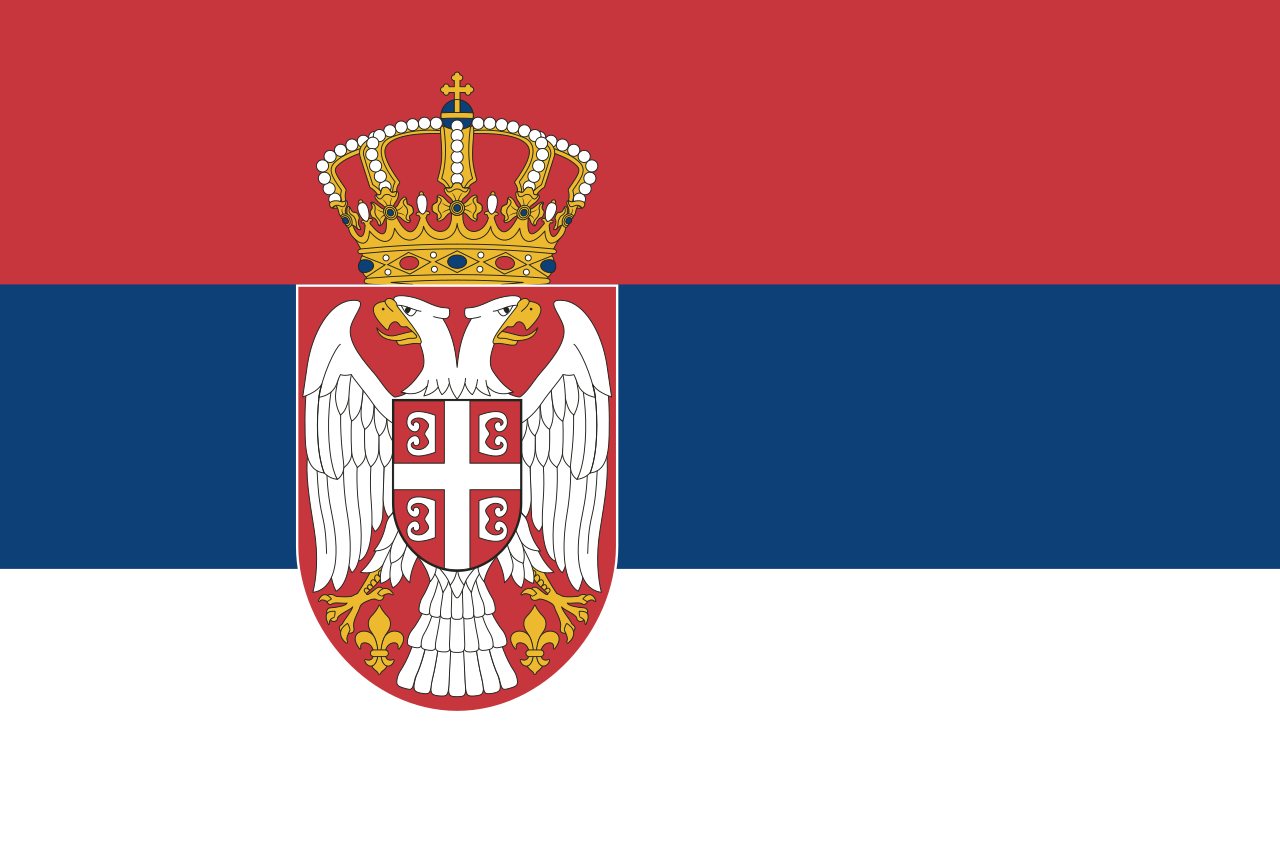
Serbia's student-led protest movement appears set to mount a decisive challenge to strongman Aleksandar Vučić in Sunday's parliamentary election, a contest that could carry consequences well beyond the Balkans. The vote has drawn comparisons with the 2000 election that ended Slobodan Milošević's rule, when Serbians turned out in large numbers despite the regime's grip on the media, the judiciary and the security forces.
Vučić recently resigned as president in order to fight the election, with the aim of shifting the centre of power from the presidency to the prime minister's office. That manoeuvre has framed the ballot as a test of whether the country's institutions can withstand a leader who has spent years consolidating control over the state apparatus.
The parallels with a quarter of a century ago are not exact, but they are close enough to be striking. In 2000, Milošević sought re-election as president and lost despite extensive control over broadcasters, the courts and the police. When he hesitated to leave office, hundreds of thousands of Serbians poured onto the streets and forced him out. This time, a new generation of voters could hold the decisive voice in an election for the national parliament rather than the presidency.
Student activists have been at the centre of the campaign, drawing on the energy of a younger electorate that has grown up under Vučić's rule and appears increasingly unwilling to accept it. Their mobilisation has turned a contest that once looked predictable into one that European capitals are watching closely.
The stakes extend beyond Serbia's borders. The European Union, which has spent years managing a difficult relationship with Belgrade, is being reminded that it should never have written off Serbian democracy. A credible opposition victory would alter the political calculus in a region where democratic backsliding has become a familiar pattern, and it would strengthen the hand of those inside the EU who argue that enlargement and democratic engagement still matter.
For now, the focus is on Sunday's ballot and on whether the student movement can convert street energy into votes. The outcome will determine not only who governs Serbia but whether a generation that came of age in protest can translate its numbers into lasting political change.
4