Voting is under way across Sweden in a general election that could put the far-right Sweden Democrats (SD) into government for the first time, after a campaign marked by sharp personal exchanges between party leaders, claims of misinformation and advertising styled on United States political messaging.
Polls point to an exceptionally close contest. One survey put the left and right blocs just 0.3 percentage points apart, a margin well within the range of statistical error, leaving the outcome uncertain as ballots are cast.
The Sweden Democrats, a party with neo-Nazi roots that has spent years working to soften its public image, is in line for key ministerial positions if the rightwing bloc secures a majority. That prospect has dominated the closing stages of the campaign and drawn attention well beyond Sweden's borders.
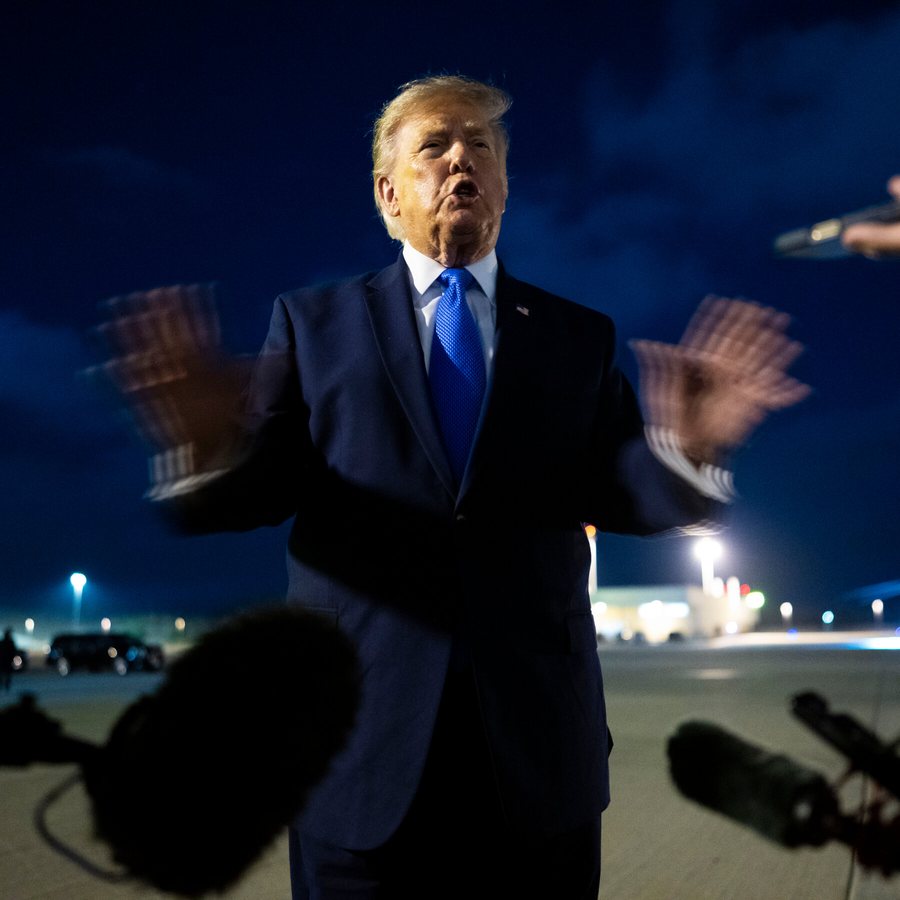
The campaign has been unusually heated and polarised by Swedish standards. Leaders traded personal attacks, accusations of misinformation circulated widely, and advertisements echoing the style of United States President Donald Trump's Make America Great Again movement appeared during the contest.
Should the rightwing bloc win, the result would mark a significant shift in Swedish politics, where the Sweden Democrats have long been treated as outside the mainstream. Their entry into government would give the party direct influence over national policy for the first time.
The election is being watched across Europe, where parties of the far right have gained ground in several countries in recent years. A strong showing by the Sweden Democrats would add to that trend and could shape how other European governments approach coalition-building with similar parties.
With the two blocs so closely matched, the final result may depend on turnout and on the performance of smaller parties. Counting is expected to continue after polling stations close, and the precise balance between the blocs may not be clear immediately.
Sweden's election authority has yet to report turnout figures. The tight polling margins mean that even small shifts in support could determine which bloc commands the largest grouping in the Riksdag and who is invited to form a government.
The campaign's polarised tone has raised questions about the tone of political debate in the country. Accusations of misinformation and the use of imported campaign styles have featured prominently in coverage of the race.
For now, voters are casting their ballots, and the result will determine whether Sweden joins the group of European countries where the far right has moved from the margins into government, or whether the left bloc holds its ground.