A powerful earthquake has killed at least 16 people in Tibet, with rescue teams deployed to the worst-hit areas as authorities warn that snow is expected in the coming days. The quake struck Baqen County in Nagqu, a city in the Tibet Autonomous Region, and left rescuers working in an area at high altitude where conditions are expected to deteriorate.
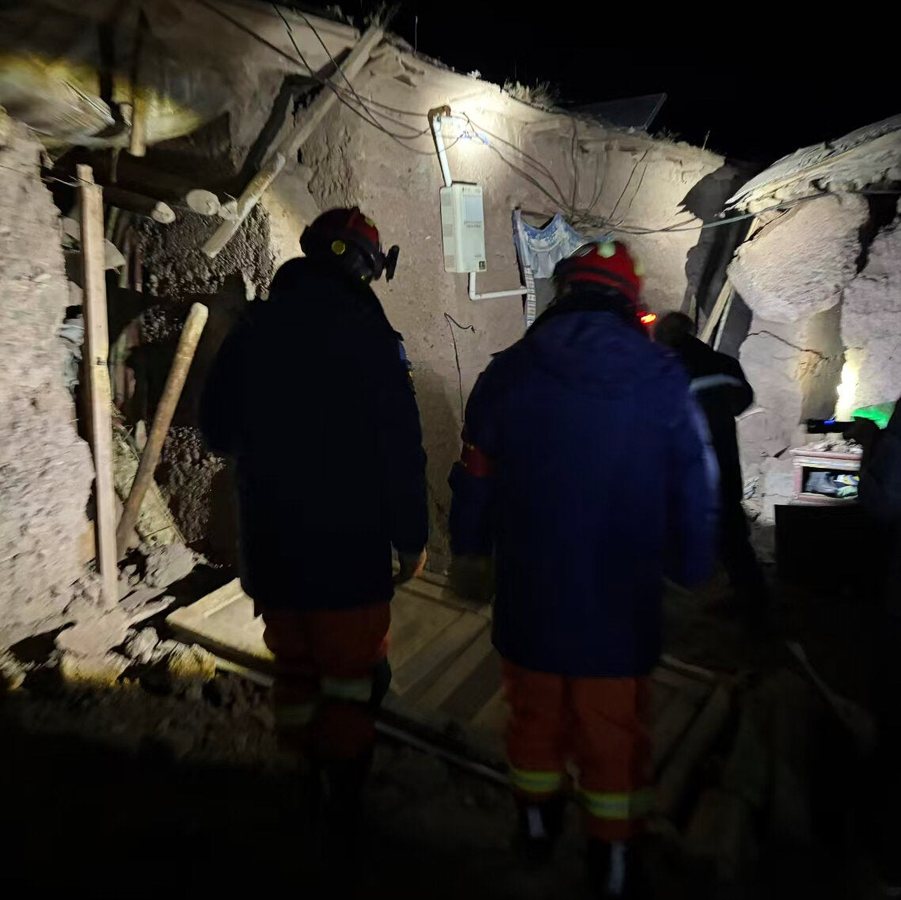
Rescuers were pictured at an earthquake-hit village in Baqen County on Friday, searching through damaged structures and assessing the needs of survivors. The confirmed death toll stood at 16, and the full extent of the damage across remote communities was still being established.
The high altitude of the affected area presents a serious challenge for rescue and relief operations. Thin air and cold temperatures can slow the work of emergency teams and increase the risk to people left without shelter. With snow forecast in the coming days, conditions on the ground are likely to become harder still, complicating efforts to reach isolated villages and deliver supplies.
Baqen County lies within Nagqu, a vast prefecture-level city in northern Tibet known for its remote terrain and harsh climate. Communities in such areas are often spread across difficult ground, and the impact of a strong earthquake can be compounded by distance from major centres and by weather that limits access by road and air.
Details of the response, including the number of people injured and the scale of building damage, were not immediately confirmed. Rescue workers were concentrating on the village shown in the aftermath of the tremor, where the force of the quake had brought down structures and left residents in need of assistance.
Earthquakes are not uncommon in Tibet and the wider Himalayan region, where the collision of tectonic plates produces frequent seismic activity. The danger is heightened in mountainous areas, where tremors can trigger landslides and rockfalls that cut off roads and hamper the arrival of help.
The coming days are expected to be critical for those affected. Snowfall would add to the hardship of survivors who may be without adequate shelter, and it could delay the movement of relief teams into the most remote settlements. Emergency crews were continuing their work on Friday as the scale of the disaster became clearer.
Further updates on the death toll, injuries and damage were expected as rescue teams reached more of the affected communities and assessments were completed.
6