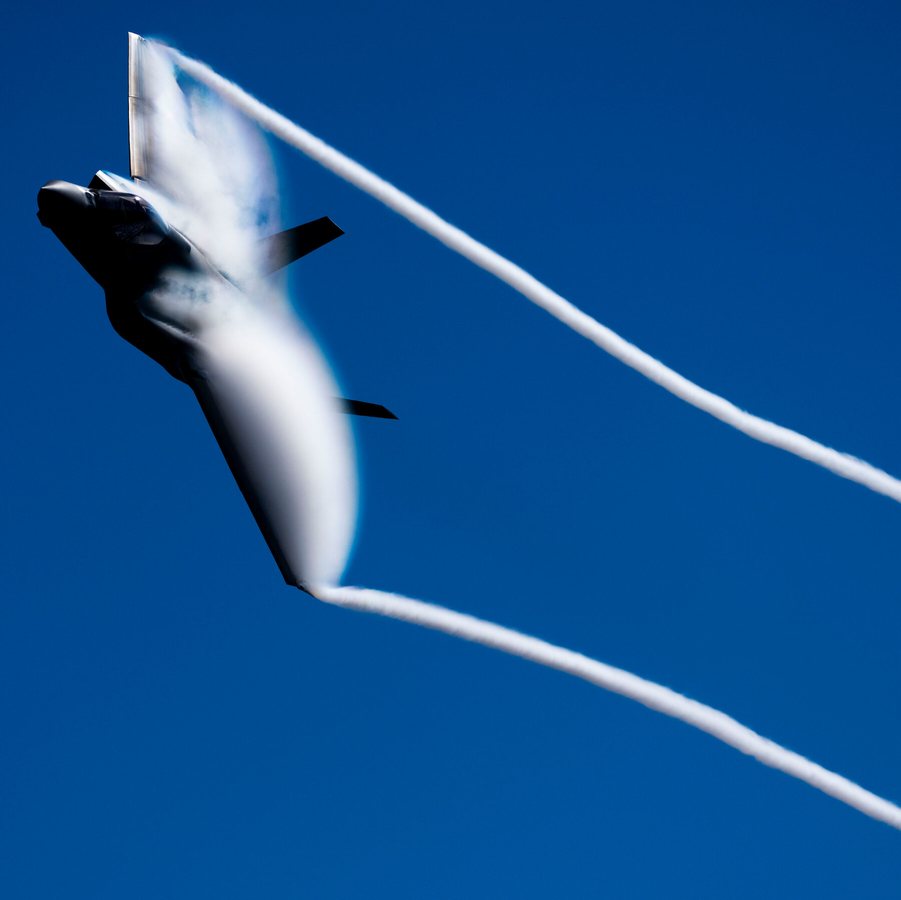
The United States has decided to proceed with the sale of F-35 fighter jets to Saudi Arabia, a move that would make the kingdom only the second country in the Middle East to operate the advanced stealth aircraft, after Israel. The decision, confirmed by officials, comes despite concerns raised by intelligence agencies about the transfer of sensitive technology.
The sale, if finalised, would take years to complete, given the complex production and delivery process. The F-35, manufactured by Lockheed Martin, is one of the most advanced fighter jets in the world, featuring stealth capabilities and sophisticated sensor systems. Its export is typically subject to stringent congressional review and strict conditions to protect American military technology.
Intelligence concerns have centred on the risk of technology leakage and the potential impact on Israel's qualitative military edge in the region. The United States has long maintained a policy of ensuring that Israel retains a technological advantage over its neighbours. However, the Trump administration has prioritised strengthening ties with Saudi Arabia, a key Gulf ally, and the sale is seen as part of that broader strategic partnership.
The deal would mark a significant shift in US arms export policy in the Middle East. Israel has operated F-35s since 2016 and has used them in combat operations. Saudi Arabia has sought the aircraft for years to modernise its air force and counter regional threats, particularly from Iran. The sale would require approval from Congress, where some lawmakers have expressed reservations about Saudi Arabia's human rights record and its military campaign in Yemen.
Officials have not disclosed the exact number of jets under consideration or the timeline for delivery. The production of F-35s is a lengthy process, and any sale would likely involve training, maintenance, and infrastructure support. The Pentagon has not commented publicly on the specifics of the deal.
The move comes amid broader efforts by the Trump administration to deepen defence cooperation with Gulf states. In recent years, the US has approved major arms sales to Saudi Arabia and the United Arab Emirates, despite criticism from human rights groups and some members of Congress. The F-35 sale, if completed, would be the most significant transfer of advanced military technology to Saudi Arabia to date.
For Dominica and the wider Caribbean, the development underscores the continuing importance of global security dynamics and the role of major powers in shaping regional stability. While the Caribbean is not directly involved, shifts in US arms policy can influence geopolitical calculations and diplomatic alignments across the hemisphere.
The sale is expected to face scrutiny in Congress, where lawmakers may seek assurances that the aircraft will not be used in ways that violate international law or undermine Israel's security. The administration has argued that the sale would strengthen a key partner and enhance regional stability. The final outcome will depend on the completion of the production and delivery process, which could take years.