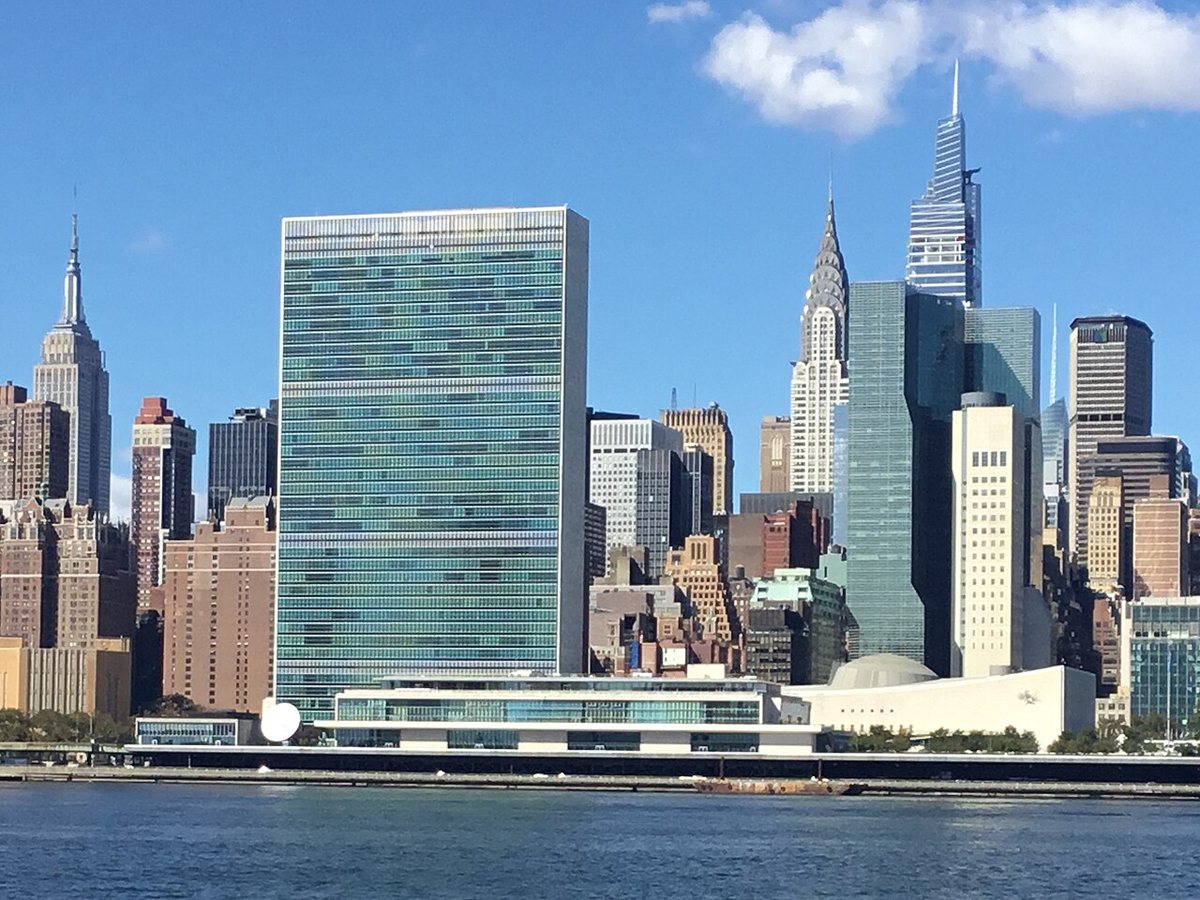
The United Nations is confronting one of the most difficult moments in its history, with the annual General Assembly in New York exposing deep divisions among member states and raising fresh questions about the organisation's future. As Secretary General António Guterres prepares to step down, the gathering has underscored the scale of the challenges facing the world body.
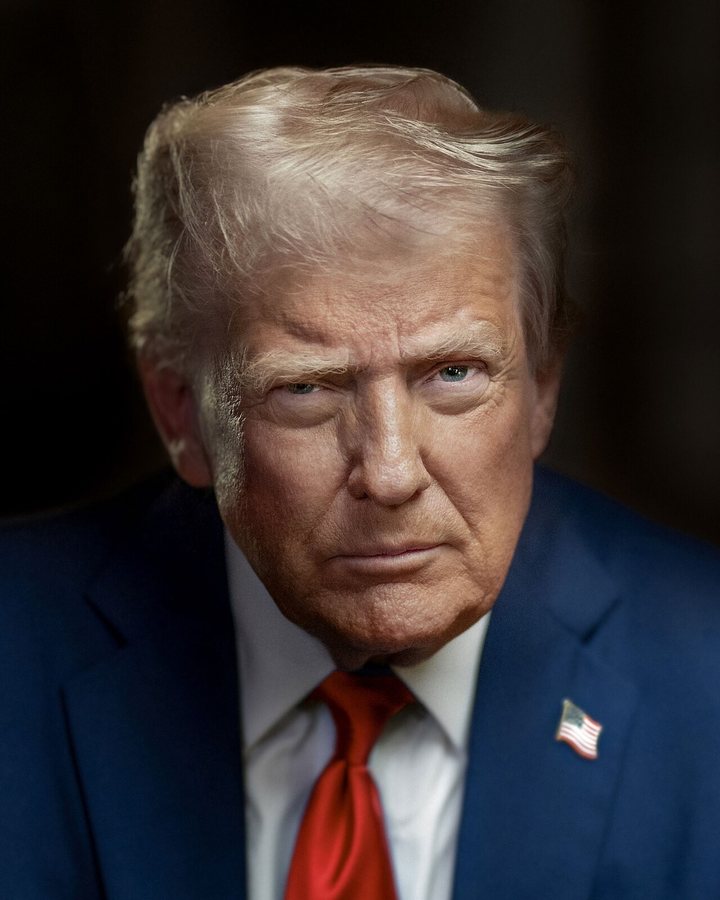
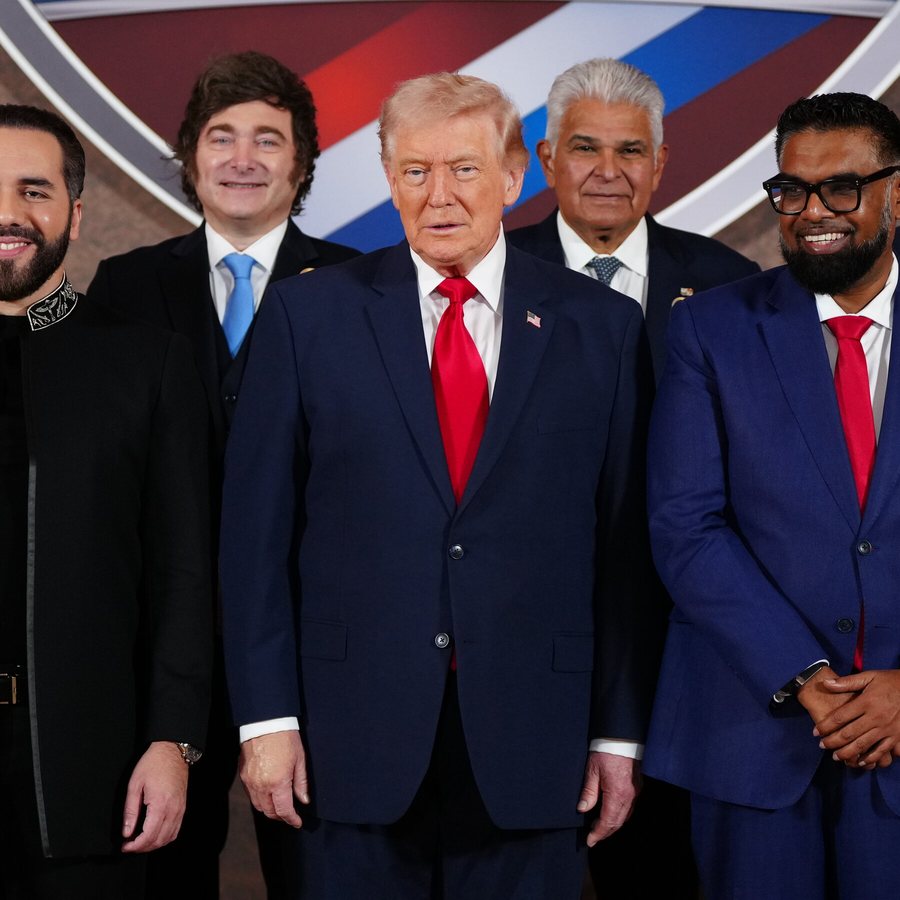
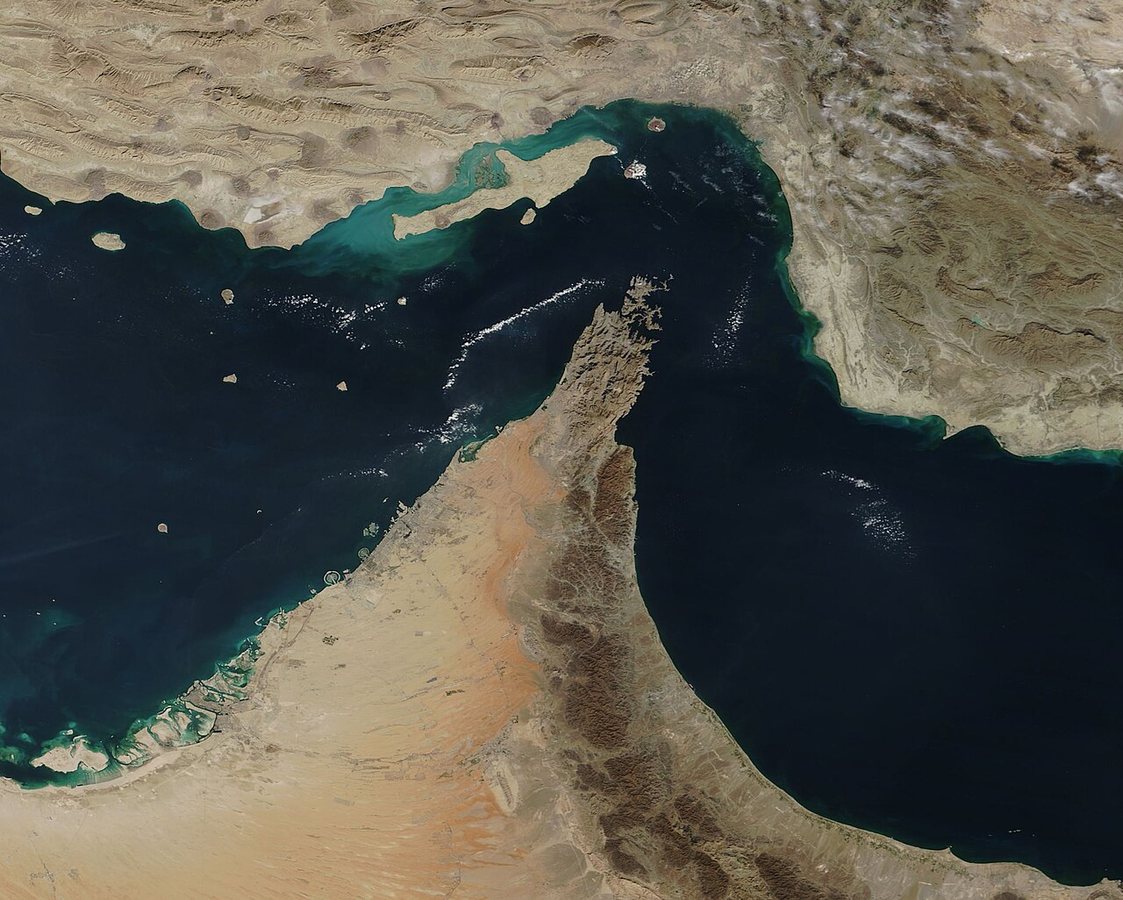
US President Donald Trump used his address to the General Assembly to threaten Iran, another member state, with annihilation. The UN charter, which established the organisation to «save succeeding generations from the scourge of war», also speaks of the obligations of international law. On Venezuela, Trump gloated that «to the victor belong the spoils». His speech on Tuesday might be regarded as an improvement on last year's only in that it was not an explicit, full-scale attack on the UN itself, merely on its founding principles.
The absences this year are perhaps as telling as the US president's hostile presence. Vladimir Putin has not attended for more than a decade. Nor has Xi Jinping, but the snub is more striking as he is in Washington to meet the US president. India's Narendra Modi is not present; nor are Cyril Ramaphosa, Bola Tinubu or Abdel Fatah al-Sisi, the leaders of Africa's three giants, South Africa, Nigeria and Egypt. While their reasons are various, the gaps speak collectively to Trump's wrecking capability and the broader challenges faced by the UN.
The General Assembly has long served as the world's most inclusive forum for multilateral dialogue, but the current session has laid bare the strains on that role. With key leaders absent and the US president using the platform to advance a nationalist agenda, the organisation's ability to bridge divides appears more constrained than at any point in recent memory.
For small island states such as the Commonwealth of Dominica, the UN remains a vital arena for raising concerns that larger powers might otherwise ignore. From climate change and hurricane resilience to sustainable development and the protection of marine resources, the organisation provides a rare space where the voices of vulnerable nations can be heard on equal footing with the world's major economies.
The challenges facing the UN are not new, but their accumulation has created a sense of urgency. The secretary general's impending departure adds a further layer of uncertainty, as member states prepare to select a successor who will inherit an organisation under pressure from multiple directions. The coming months will test whether the UN can adapt to a shifting geopolitical landscape while holding true to the principles set out in its charter.
Despite the difficulties, the UN continues to carry out essential work across development, humanitarian assistance, peacekeeping and global health. Its agencies remain on the front lines of crises that no single country can address alone. The question facing member states is not whether the organisation is perfect, but whether it remains indispensable. The evidence from this year's General Assembly suggests that, for all its embattled state, the UN is more necessary than ever.
2