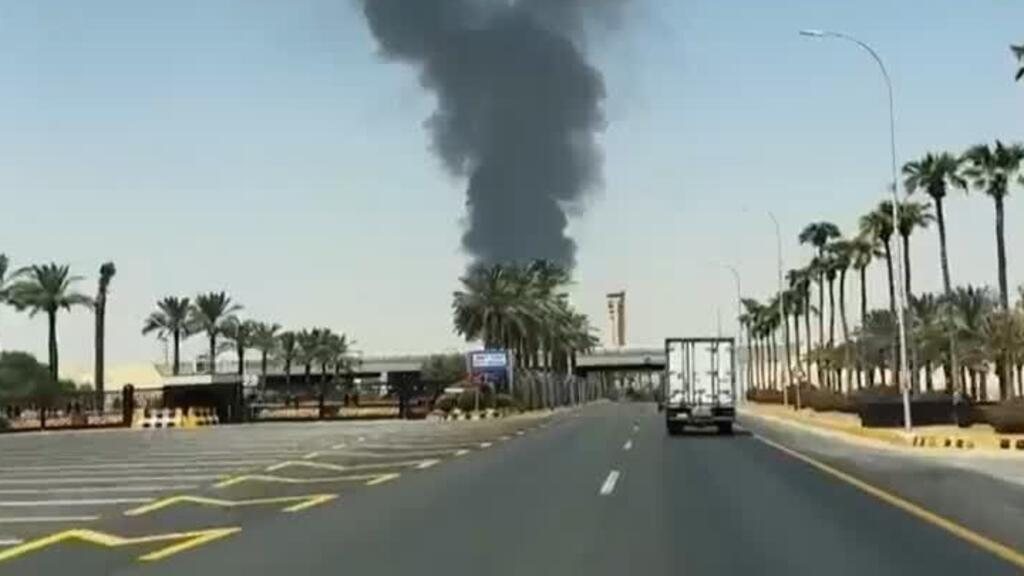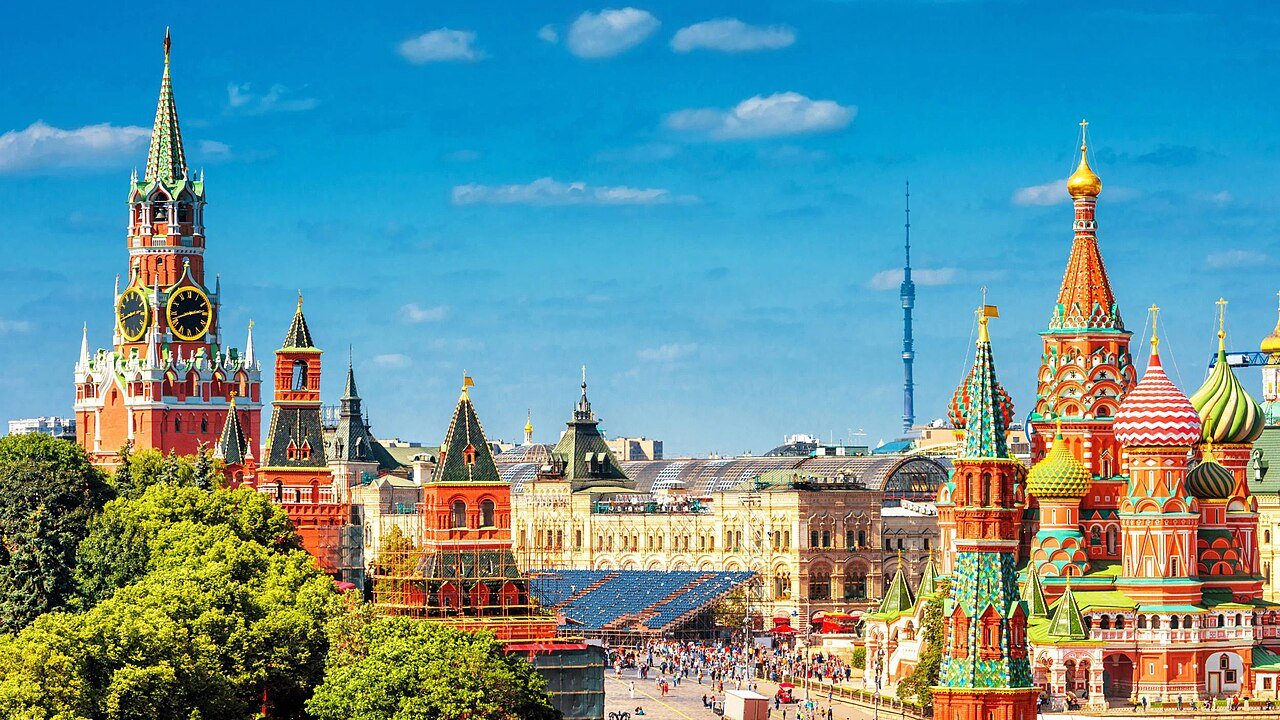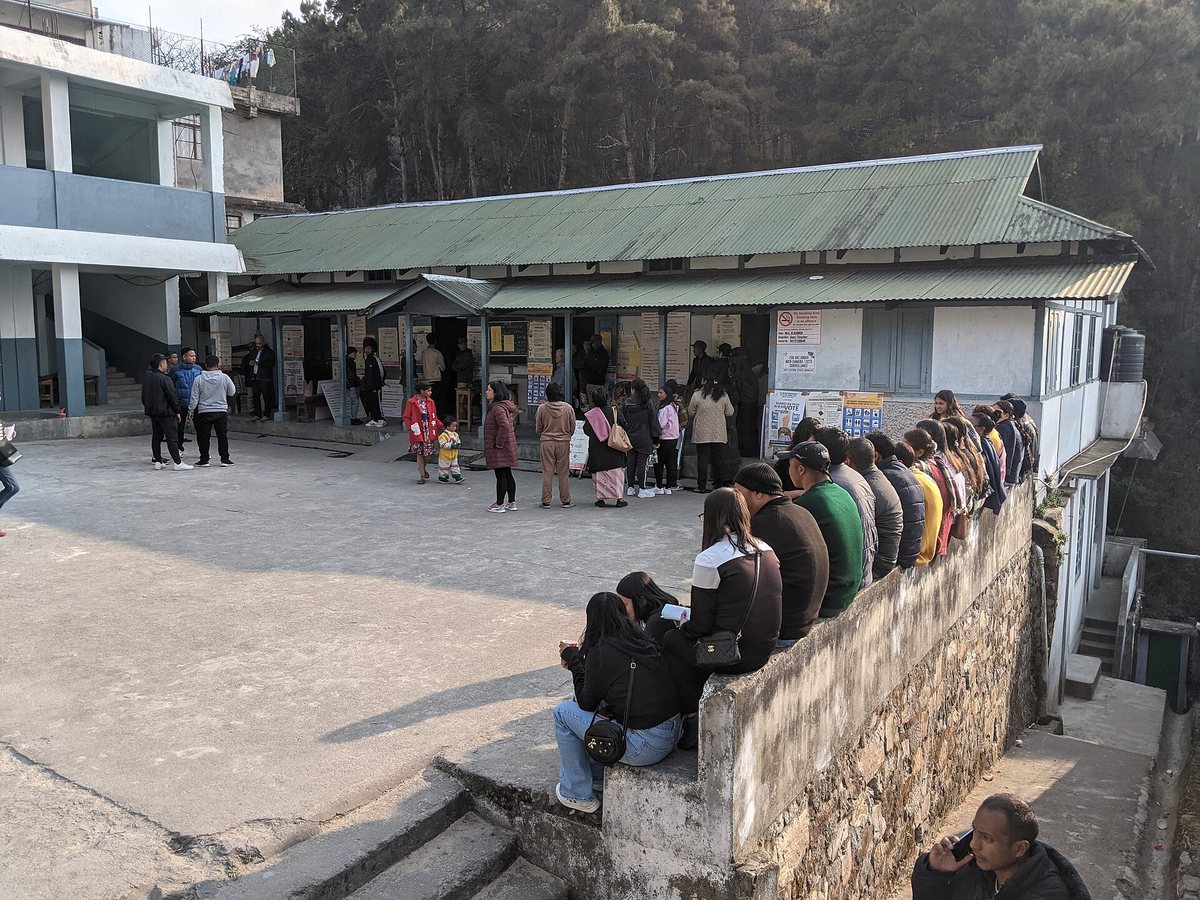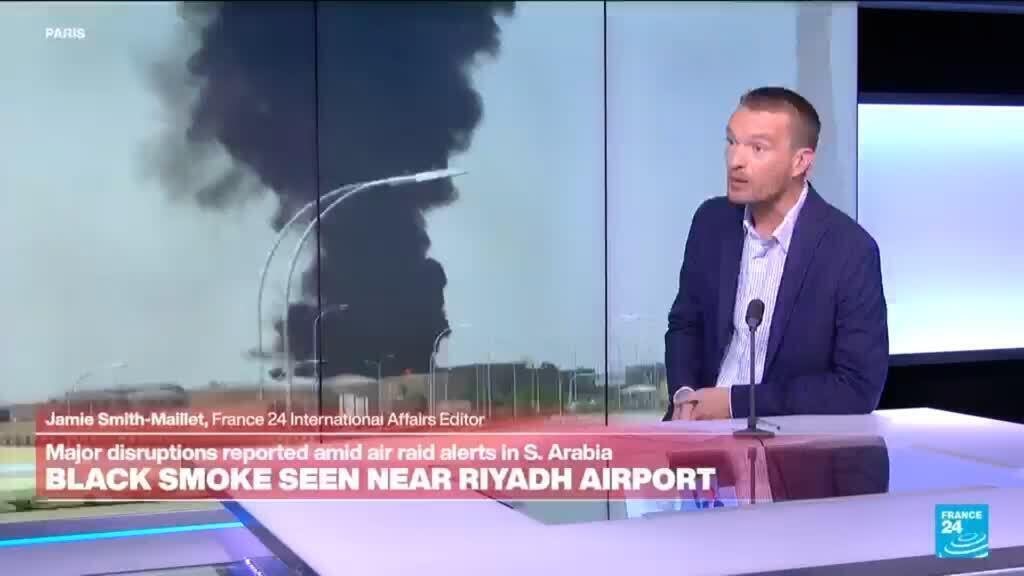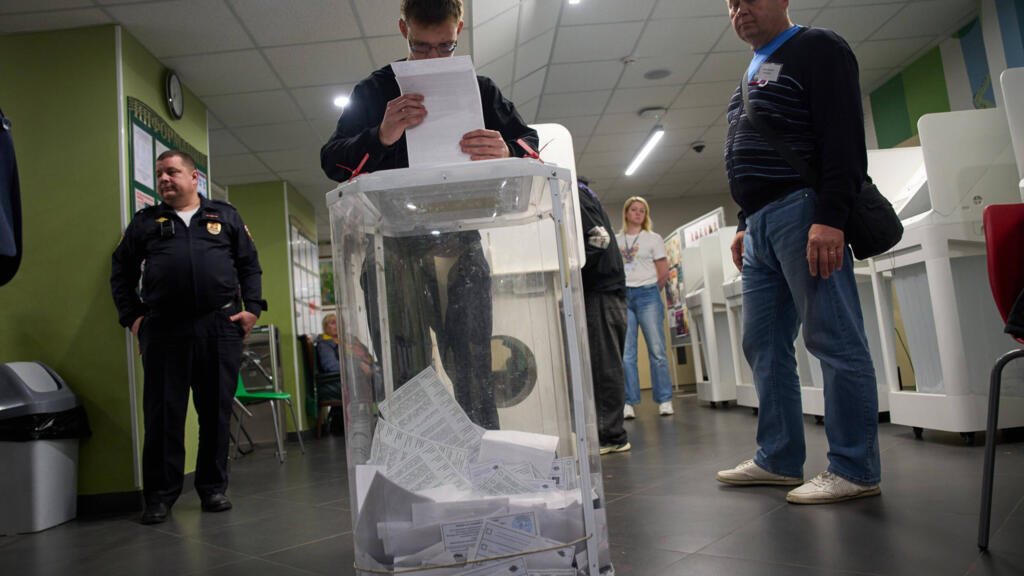
Vladimir Putin's United Russia party has won a large majority in Russia's parliamentary elections, according to results published by state media early Monday. The vote was held under the shadow of cyberattacks and a sustained barrage of Ukrainian drone strikes, underscoring the wartime conditions in which Russians went to the polls.
The result consolidates the ruling party's control of the lower house of parliament and extends a political dominance that has faced little organised opposition in recent years. State media reported the outcome as decisive, though independent observers have repeatedly questioned the conduct of Russian elections since the full-scale invasion of Ukraine.
In a parallel development, Moscow has vowed to «intensify» its strikes on Kyiv in response to what it described as a massive drone attack on the Russian capital. The pledge signals a further escalation in the long-range aerial campaign that has become a defining feature of the conflict, with both sides now routinely targeting each other's cities and critical infrastructure.
The drone strikes on Moscow, described as one of the largest such attacks on the capital, caused disruption and prompted a public response from the Russian leadership. Ukrainian officials have not commented directly on the specific operation, in line with their usual practice of not confirming or denying attacks on Russian territory.
The combination of an election result and a military escalation marks a significant moment in the war, now well into its fifth year. The parliamentary vote was expected to deliver a comfortable win for United Russia, but the reported cyberattacks and the timing of the drone strikes added an unusual dimension to the balloting.
For the Caribbean, the developments carry indirect but real consequences. Russia is a distant power, but the war in Ukraine has reshaped global energy markets, shipping routes and food prices, all of which are felt acutely in small island economies. Dominica, like its OECS and CARICOM neighbours, has consistently called for diplomacy and respect for international law in the conflict.
The election results and Moscow's vow of retaliation are likely to be followed by further military activity in the coming days. Observers will be watching whether the intensified strikes on Kyiv materialise and how Ukraine's allies respond. The situation remains fluid, and official statements from both capitals are expected to shape the next phase of the war.
Dominica 1 will continue to monitor developments that affect the wider Caribbean, including shifts in global energy and trade that flow from the conflict. Readers seeking information on regional preparedness or official advisories should consult the relevant national authorities.