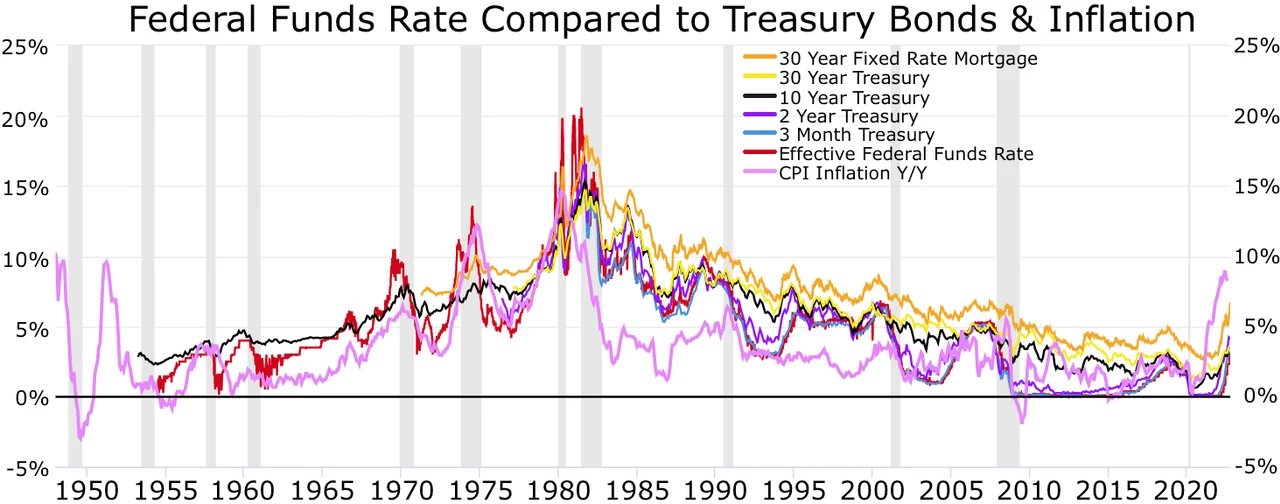
The yield on the benchmark 10-year US Treasury note has risen past levels not seen since 2007, as climbing oil prices intensify concerns about energy-driven inflation among bond investors. The move marks a significant moment for global financial markets and carries particular weight for small, open economies across the Caribbean, including the Commonwealth of Dominica.
The 10-year Treasury yield is a key reference point for borrowing costs worldwide. When it rises, financing becomes more expensive for governments, businesses and households far beyond the United States. For Dominica and its OECS neighbours, which import fuel and rely on foreign investment, a sustained increase in US rates can tighten external financing conditions and add pressure to already stretched budgets.
Oil prices have been climbing steadily, feeding directly into inflation expectations. Higher energy costs raise transport and electricity expenses, and in islands like Dominica — where fuel is imported and electricity generation still depends heavily on diesel — those costs ripple through the economy quickly. Bond investors, watching the same trend, are demanding higher returns to hold long-term US debt, pushing the 10-year yield to its highest point in nearly two decades.
The last time the 10-year Treasury yield traded at these levels was in 2007, on the eve of the global financial crisis. That comparison alone has sharpened attention in financial capitals. Analysts note that the combination of elevated energy prices and persistent inflation worries is creating a challenging environment for central banks, which must weigh the risk of further rate increases against the threat of slowing growth.
For the Eastern Caribbean, the immediate concern is the cost of servicing existing debt and the terms on which new borrowing can be secured. The Eastern Caribbean Central Bank, which manages monetary policy for the currency union, does not set interest rates independently of global conditions. When US yields rise, the spread between EC-dollar instruments and US treasuries can narrow, potentially affecting capital flows and the attractiveness of regional debt.
Dominica's economy, like those of its neighbours, is also sensitive to tourism demand from North America and Europe. Higher borrowing costs and energy-driven inflation in source markets can dampen travel spending, though the effect is rarely immediate. Cruise and stay-over arrivals have been a bright spot in recent seasons, and tourism officials will be watching whether the financial turbulence translates into softer bookings.
On the energy front, Dominica has long pursued geothermal development as a path to reducing dependence on imported fuel. The current oil price surge underscores the strategic value of that programme, which aims to supply baseload electricity and potentially export power to neighbouring islands. Every increase in global oil prices strengthens the economic case for accelerating renewable energy investment.
For ordinary Dominicans, the most visible impact may come through fuel prices at the pump and electricity bills, both of which are tied to imported petroleum products. The government has historically adjusted fuel taxes and subsidies to cushion shocks, but fiscal space is limited. Consumers and businesses should anticipate that global energy trends will continue to influence local costs in the months ahead.
The broader message from bond markets is that the era of ultra-cheap money is firmly over. Governments across the Caribbean will need to manage debt carefully, prioritise productive investment and build resilience against external shocks. For a small island state like Dominica, that means staying vigilant on both fiscal and energy fronts, while keeping a close eye on the same global signals that moved the US 10-year yield to its 20-year high.