More than 86,000 people have been displaced in Yemen since July as fighting intensifies between the Iran-backed Houthi rebels and government forces, the United Nations has reported. The figure underscores the deepening humanitarian toll on civilians caught between the two sides.
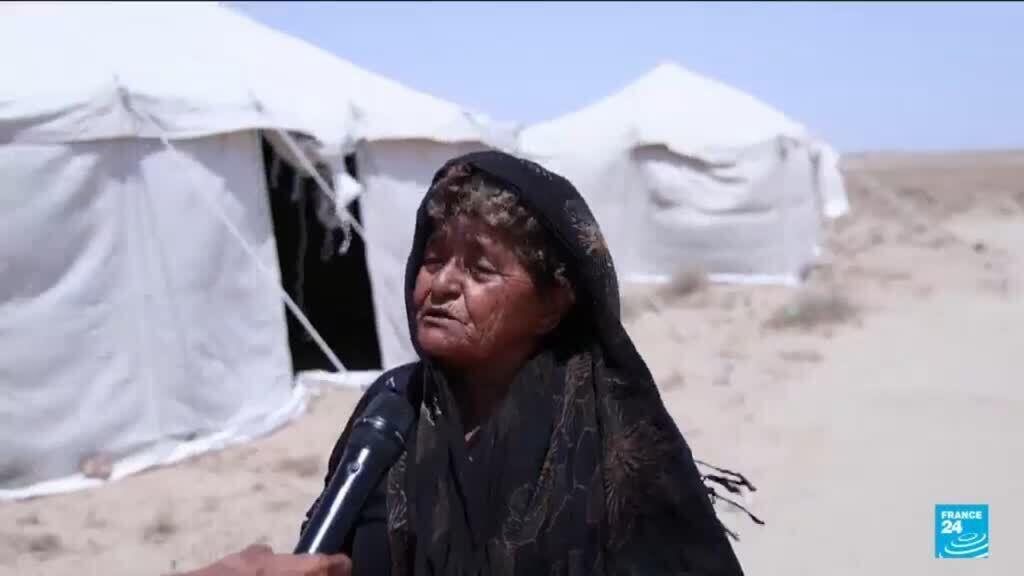
Many of those uprooted have fled to refugee camps in Aden, the southern port city that serves as the seat of Yemen's internationally recognised government. Others have crossed the Gulf of Aden to neighbouring Djibouti, seeking safety beyond Yemen's borders.
The displacement marks a fresh wave of suffering in a conflict that has already driven millions from their homes over years of war. Families arriving in Aden and Djibouti describe leaving behind land, livelihoods and property as fighting reached their communities.
The UN's displacement figures cover only the period since July, suggesting the true scale of recent movement may be larger as clashes continue and access for aid agencies remains limited. Camps in government-controlled areas are absorbing new arrivals, while Djibouti — long a transit point for people fleeing Yemen — is again receiving those who choose to leave by sea.
Yemen's war has pitted the Houthis, who control the capital Sanaa and much of the north, against government forces backed by a Saudi-led coalition. The latest round of fighting has added to a crisis in which the UN has repeatedly warned that millions of Yemenis depend on humanitarian assistance for survival.
For Dominica and other small Caribbean states, the report is a distant but familiar reminder of how conflict and climate shocks can displace whole communities. The Eastern Caribbean has its own experience of evacuation and shelter management, and regional governments have consistently supported multilateral appeals for humanitarian access in conflict zones.
The immediate priority for those displaced in Yemen is shelter, food, clean water and medical care. Aid agencies operating in Aden and along the southern coast have struggled to keep pace with arrivals, and the crossing to Djibouti places additional strain on reception facilities there.
The UN has not indicated when conditions might allow large-scale returns. With fighting ongoing, displacement is likely to continue, and the agency's figures may rise further in the coming weeks.
Yemen remains one of the world's most severe humanitarian emergencies. The latest displacement totals add pressure on donors and relief organisations already stretched by competing crises, and on host communities in southern Yemen and Djibouti that are receiving families with few resources of their own.