CAF – Development Bank of Latin America and the Caribbean has approved a US$200,000 grant aimed at strengthening disaster-resilient housing across the Caribbean, as the region continues to face hurricanes, floods, landslides, earthquakes and other natural hazards.
The grant is intended to improve the way homes are built and reconstructed, according to the announcement. It responds to the repeated damage inflicted on housing stock during extreme weather events and seismic activity, which have displaced families and set back development in several Caribbean states.
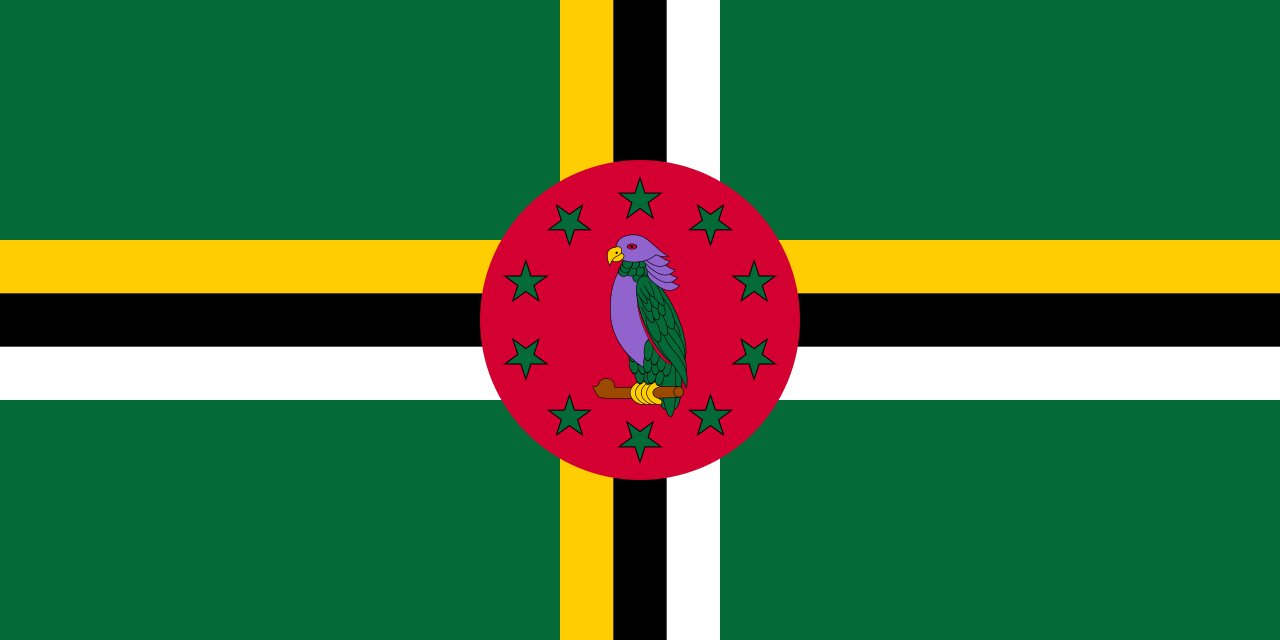
For Dominica, the move is likely to be closely watched. The Nature Isle has rebuilt extensively since Hurricane Maria in 2017, when widespread destruction of homes exposed gaps in construction standards and the availability of resilient building materials. The island also sits on a volcanic and seismic zone, making earthquake resilience a parallel concern.
CAF, formerly known as the Corporación Andina de Fomento, is a development bank with a growing Caribbean membership. Its involvement in housing resilience reflects a broader regional push to move beyond emergency response and into preventive construction, so that homes can better withstand the hazards that regularly cross the Atlantic and the Eastern Caribbean.
The US$200,000 sum is modest in the context of regional infrastructure budgets, but officials have framed such technical assistance as a way to leverage larger investments. Grants of this kind typically support assessments, design standards, training for builders and the sharing of best practice among member countries.
Housing remains one of the most visible measures of disaster vulnerability in the Caribbean. Roofs, foundations and the choice of materials often determine whether a family can shelter in place during a storm or must evacuate. Poorly built homes also slow recovery, as reconstruction costs fall on governments, insurers and households already under financial strain.
The grant comes as the region continues to press international financial institutions for easier access to affordable financing for climate adaptation. Small island developing states have argued that their vulnerability to natural hazards should be reflected in the terms on which they borrow, and that resilience should be built into housing before a disaster strikes rather than after.
Details of how the funds will be allocated and which countries will benefit first have not been fully set out. The announcement did not specify a timeline for disbursement or the implementing partners involved.
For Dominicans, the practical effect will depend on how the programme is rolled out and whether it reaches local builders, contractors and homeowners. The Office of Disaster Management and other national agencies have consistently urged residents to strengthen roofs, secure windows and follow official building guidance ahead of the hurricane season.
CAF’s approval adds to a wider set of regional initiatives on climate adaptation and disaster risk reduction. The bank has signalled an interest in expanding its Caribbean portfolio, and housing resilience is seen as one area where relatively small amounts of technical support can influence construction practice over the long term.
2