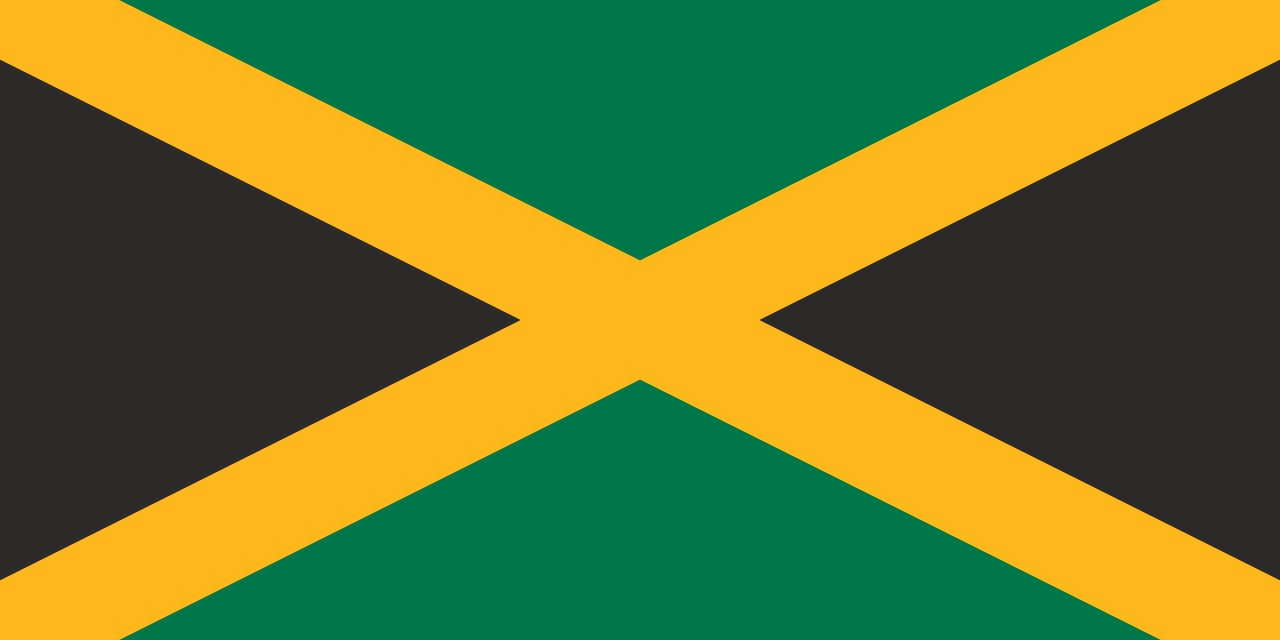
Rural communities across Jamaica are to benefit from a five-year, US$36 million programme aimed at upgrading water infrastructure and improving access to reliable drinking water, following an agreement between the Caribbean Development Bank and the Government of Jamaica.
The two parties formalised the arrangement, which is designed to address long-standing gaps in water supply in rural parishes where residents have faced inconsistent service and ageing systems. The programme will run over five years and carries a total value of US$36 million.
For Dominica and the wider Caribbean, the agreement is a reminder of how regional institutions such as the CDB support national infrastructure in member states. The Barbados-based bank has a mandate to finance projects that improve living conditions and economic resilience across its borrowing member countries, and water security has become an increasingly urgent priority as islands and mainland territories contend with drought, ageing pipelines and growing demand.
In Jamaica, rural water access has been a persistent concern. Many communities depend on systems that were built decades ago and that struggle to meet current needs, particularly during dry periods. Upgrading those systems is expected to reduce reliance on trucked water and other temporary measures, and to support households, schools, clinics and small businesses that need a dependable supply.
The programme is also likely to carry economic benefits. Reliable water is essential for agriculture, tourism and everyday commerce, and improvements in rural supply can ease pressure on urban services and reduce the cost of emergency responses during drought. The CDB has previously financed water and sanitation projects across the region, often in partnership with national governments and utility companies.
Details of which parishes or communities will be targeted first have not been released, and the bank and the Jamaican government are expected to set out implementation arrangements as the programme moves forward. The five-year timeframe suggests a phased approach, with construction and rehabilitation work spread across the period.
The announcement comes as Caribbean governments continue to invest in climate-resilient infrastructure. Water systems are particularly vulnerable to hurricanes, flooding and drought, and regional lenders have increasingly framed such projects as part of broader disaster preparedness and adaptation efforts.
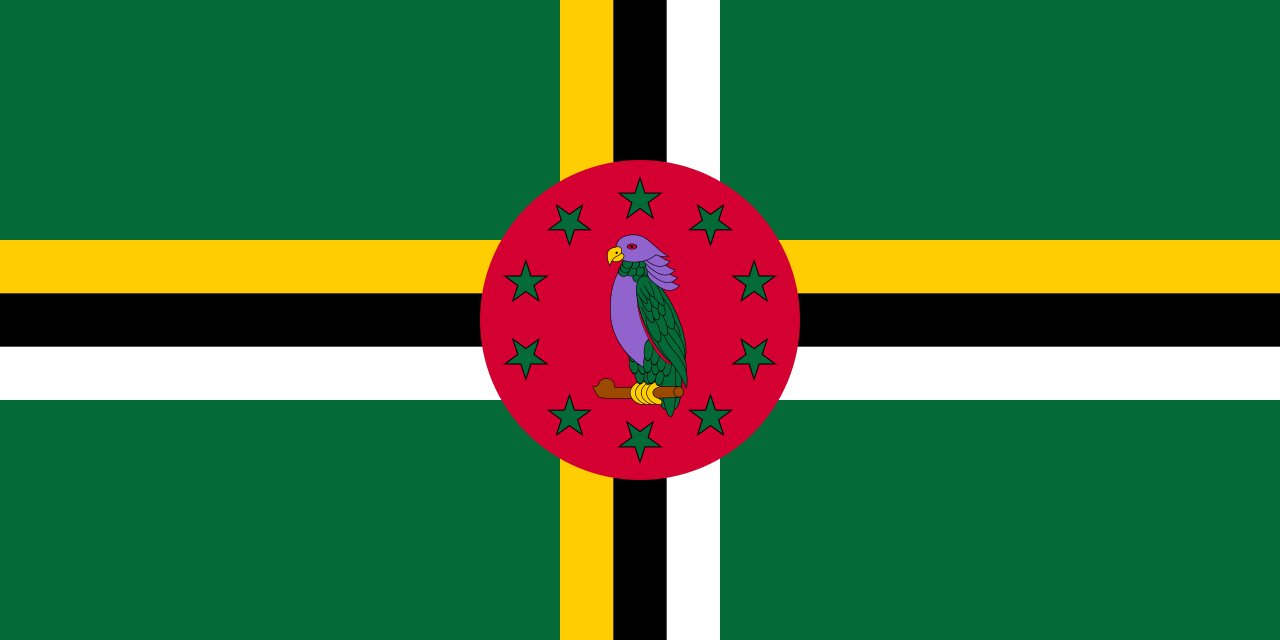
For Dominica, the story is one of regional relevance rather than direct impact. The Commonwealth of Dominica is a CDB member and has itself drawn on the bank's financing for projects in areas including roads, water and climate resilience. Developments in Jamaica therefore offer a useful reference point for how the institution structures long-term infrastructure support in the Caribbean.
The CDB and the Government of Jamaica have formalised the agreement, and further announcements on the rollout are expected in due course.
4