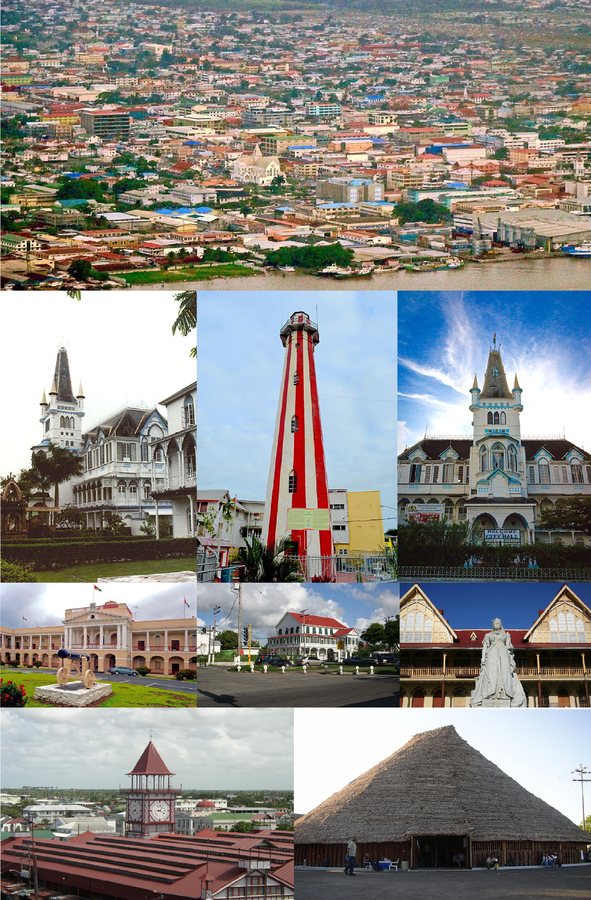
Caribbean heads of government and national disaster risk authorities will gather in Georgetown, Guyana, from 7 to 12 December 2026 for the 14th Caribbean Conference on Comprehensive Disaster Management, known as CDM 14. The meeting will be held at the Pegasus Suites and Corporate Centre in the Guyanese capital.
The conference is taking place against a difficult regional backdrop. Countries across the Caribbean are dealing with climate volatility and with economic shocks that often arrive together and reinforce one another. For small island and coastal states, unpredictable weather makes it harder to plan for hurricanes, flooding and other hazards, while the cost of responding to such events can quickly strain public finances that are already under pressure. These are the conditions in which the region's disaster management authorities must now operate, and they form the central context for the discussions expected in Georgetown.
International development partners are expected to attend alongside the Caribbean delegations, and global resilience experts have been invited to take part. Their involvement points to a wider interest in how the Caribbean can build the capacity to prepare for, withstand and recover from disasters, and in how external support can be aligned with the priorities that regional governments set for themselves. Bringing outside partners and specialists into the same room as national authorities gives the region an opportunity to test its approaches against experience from elsewhere.
The Caribbean Conference on Comprehensive Disaster Management is a recurring regional forum. Governments and disaster authorities use it to review progress, share practical experience and agree on common approaches to risk. The fourteenth edition continues that tradition, and its timing reflects the fact that the region's exposure to climate-related risk remains one of the most pressing concerns for Caribbean leaders. Each gathering of this kind adds to a body of regional cooperation that has grown as the threats facing island and coastal communities have become more frequent and more complex.
The conference also matters because disaster preparedness depends on coordination as much as on national effort. A hurricane or flood rarely respects borders, and the lessons learned by one country can be useful to its neighbours. A forum that brings heads of government and technical authorities together allows decisions taken at the highest level to be discussed alongside the operational realities faced by the agencies that must carry them out. For a region of many small states, that link between political commitment and practical delivery is especially important.
For Dominica, which depends heavily on preparedness and rapid response to protect its communities, infrastructure and livelihoods, regional coordination on disaster management is a matter of direct national interest. Readers who wish to follow the conference can expect further information on its programme and participants as the December dates approach.
3