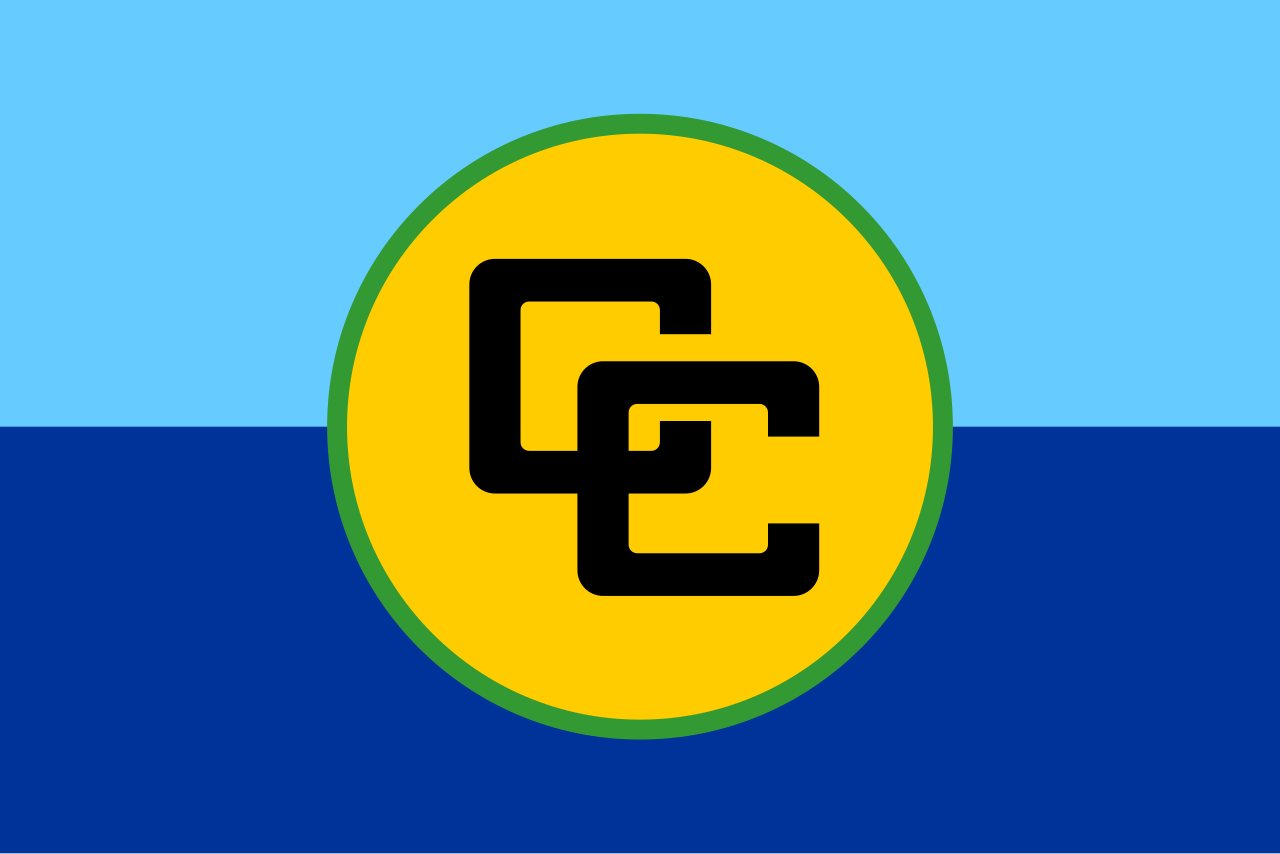
Caribbean Community leaders are preparing to take the case for small states to the United Nations General Assembly, where the bloc will focus on global risks that threaten the region's stability and development.
The summit comes amid what analysts describe as a deepening crisis of multilateralism, a trend that is causing undeniable harm to CARICOM member states. Small island developing states rely on international rules and cooperation to secure fair trade, climate finance and security guarantees that larger nations can pursue through sheer economic or military weight.
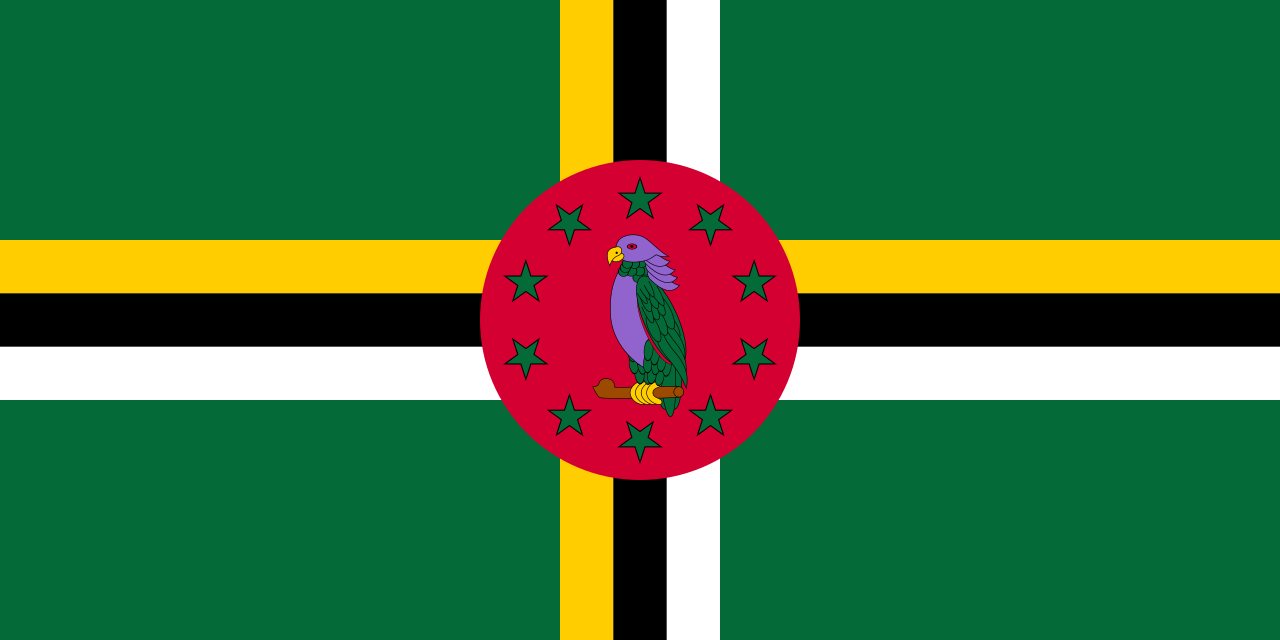
For Dominica and its neighbours, the stakes are practical. The Eastern Caribbean dollar, the region's tourism and cruise economy, and access to concessionary financing all depend on a functioning multilateral system. When major powers retreat from global agreements or weaken international institutions, Caribbean governments find themselves with fewer tools to manage external shocks.
The UN General Assembly provides CARICOM with one of its few high-level platforms to speak directly to the world's largest economies. Regional leaders are expected to press for reform of international financial institutions, continued support for climate adaptation, and recognition of the special vulnerabilities of small island developing states.
Trade is another area of concern. Caribbean exporters of bananas, cocoa and other agricultural products have long argued that global trading rules must account for the disadvantages faced by small producers. Any further erosion of preferential access or multilateral dispute mechanisms would hit rural communities hard.
Climate change remains the most visible global risk. Dominica and other CARICOM states have repeatedly called for faster delivery of pledged climate finance and for loss and damage arrangements that work for islands on the front line of hurricanes and rising seas. The UN summit offers another chance to hold larger emitters to their commitments.
Security and transnational crime also feature on the regional agenda. CARICOM governments have raised concerns about illicit trafficking, including narcotics and firearms, that move through Caribbean waters and borders. International cooperation on intelligence sharing and maritime patrols is seen as essential.
The bloc's diplomatic strategy at the UN is to speak with one voice where possible. CARICOM has historically used the General Assembly to build coalitions with other small island states in the Pacific and Indian Oceans, as well as with African and Latin American partners.
For Dominicans at home and in the diaspora, the outcomes of the summit may seem distant from daily life. But decisions taken at the UN on financing, trade and climate affect the government's ability to invest in roads, health care and disaster preparedness.
Regional observers say the test will be whether CARICOM can translate its concerns into concrete commitments from larger powers. The crisis of multilateralism is not abstract for the Caribbean; it shapes what the region can build and how well it can protect its people.