The Caribbean Court of Justice (CCJ) has recognised the successful completion of its third cohort of interns, commending the participants for their contributions during their period of professional development at the Court. The recognition was made on September 14, 2026, according to a statement from the regional tribunal.
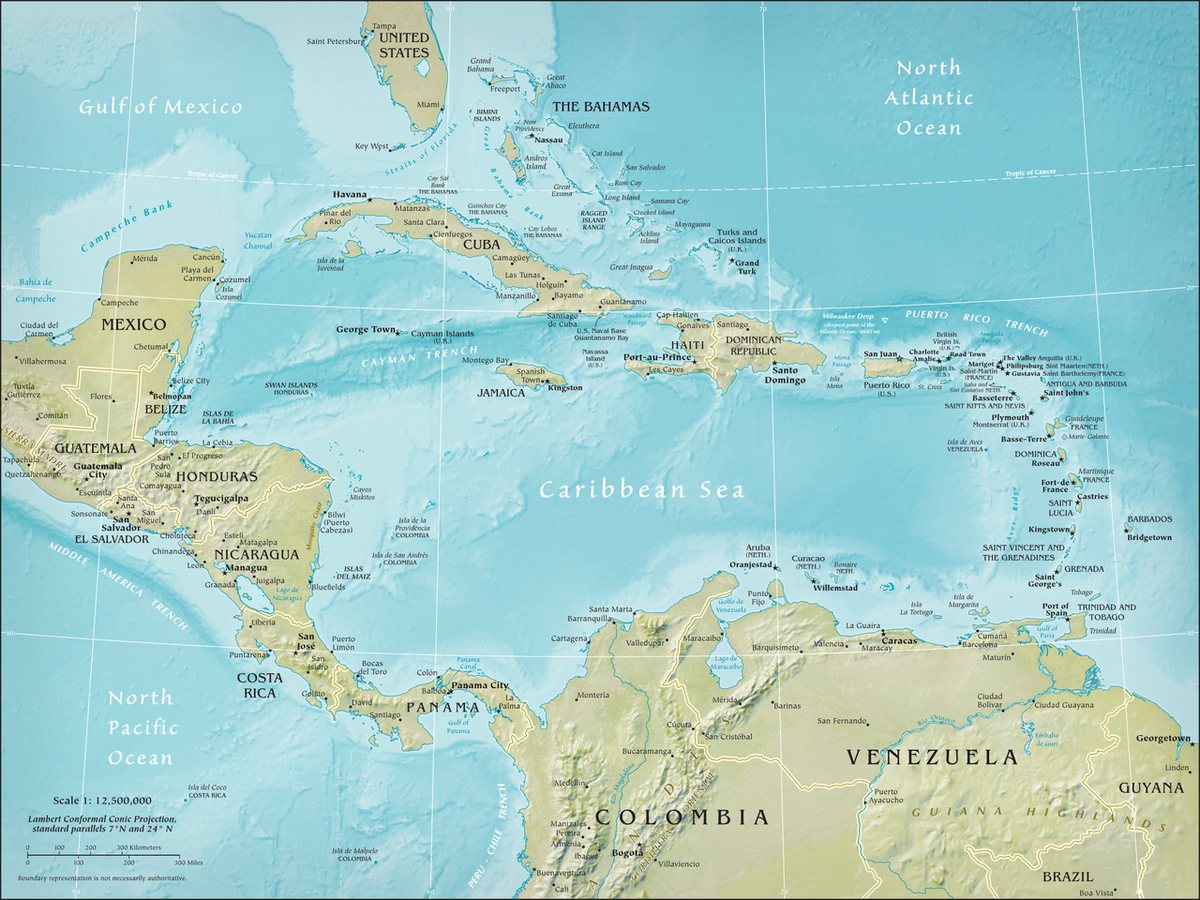
The internship programme, which is based at the CCJ's headquarters in Port of Spain, Trinidad and Tobago, offers young legal professionals and recent graduates from across the Caribbean Community the opportunity to gain practical experience in international and regional law. Interns work alongside judges, legal officers and administrative staff on research, case preparation and the daily operations of the Court.
The CCJ is the highest court of appeal for several CARICOM member states and also serves as the original jurisdiction court for the interpretation and application of the Revised Treaty of Chaguaramas, which established the Caribbean Single Market and Economy. Its internship programme is part of a wider effort to build legal capacity within the region and to expose Caribbean nationals to the work of a regional judicial institution.
While the CCJ has not released the names of the interns in this third cohort, the Court's recognition of their completion signals the continued importance it places on mentorship and professional development. The programme typically runs for a fixed period and accepts candidates from both member states that have signed on to the CCJ's appellate jurisdiction and those that have not.
For Dominica, which is a member of the Caribbean Community and participates in several regional institutions, the work of the CCJ remains relevant. The Commonwealth of Dominica has not yet acceded to the CCJ's appellate jurisdiction, retaining the Judicial Committee of the Privy Council as its final court of appeal, but Dominican legal professionals have participated in regional legal training and exchanges linked to the Court.
The completion of the third cohort comes as the CCJ continues to expand its outreach and educational initiatives across the region. The Court has in recent years hosted moot court competitions, public lectures and training workshops aimed at strengthening the rule of law in the Caribbean.
The CCJ's internship programme is one of several avenues through which Caribbean nationals can engage with regional legal institutions. Similar programmes exist at other CARICOM bodies, including the Caribbean Community Secretariat and the Organisation of Eastern Caribbean States, offering young professionals experience in regional governance and policy.
The Court has not indicated when applications for the fourth cohort will open, but past cycles have been announced through its official channels. Interested candidates are advised to monitor the CCJ's announcements for future opportunities.
The recognition ceremony was held at the Court's seat in Port of Spain and was attended by judges, staff and the interns themselves. The CCJ said the interns made valuable contributions during their time at the Court, without providing further details on the specific projects they worked on.
The Caribbean Court of Justice was established in 2001 and began operations in 2005. It has both an original jurisdiction, dealing with disputes under the Revised Treaty of Chaguaramas, and an appellate jurisdiction for those member states that have replaced the Privy Council with the CCJ as their final court. To date, Barbados, Belize, Guyana and Dominica's OECS neighbour St Lucia are among the states that have acceded to the appellate jurisdiction, while others, including Dominica, have not.
The internship programme is seen as a way to familiarise a new generation of Caribbean lawyers with the Court's jurisprudence and procedures, which may support future decisions on whether to adopt the CCJ as the final court of appeal. For now, the Court continues its work in Port of Spain, and the third cohort of interns has completed its term.