The Caribbean Regional Fisheries Mechanism has thrown its weight behind stronger international action against illegal, unreported and unregulated fishing, with its Executive Director telling a global fisheries forum in Rome that such practices amount to an assault on justice and sustainability.
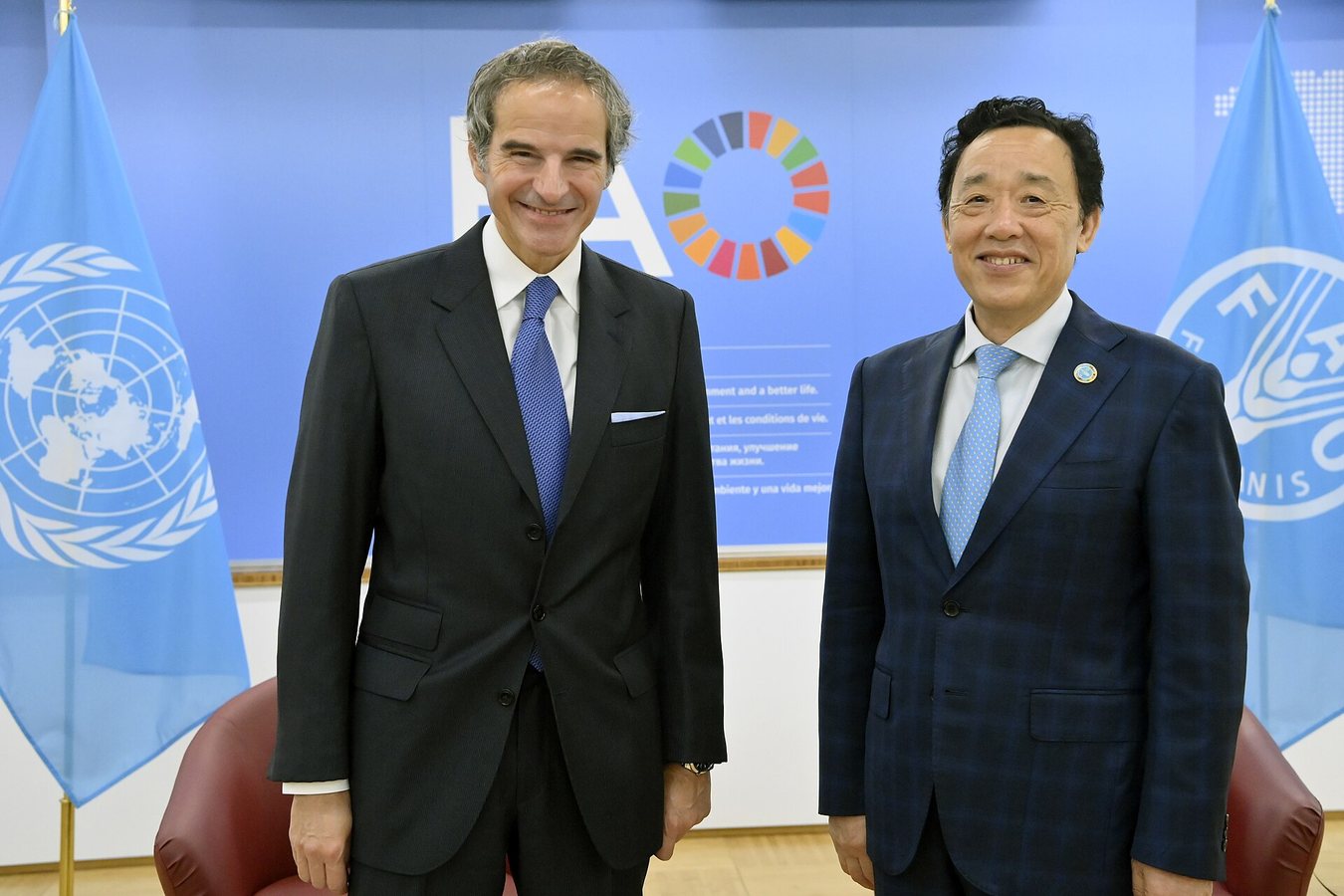
Dr. Marc Williams, Executive Director of the CRFM, made the call during the Thirty-seventh Session of the Committee on Fisheries (COFI), a body under the FAO Council, which met from 7 to 11 September 2026 in Rome, Italy. He addressed the weeklong gathering on the state of fisheries and aquaculture, IUU fishing, the role of regional fisheries bodies, and support for small-scale fisheries and aquaculture.
Speaking on the state of world fisheries and aquaculture and progress in implementing the Code of Conduct for Responsible Fisheries and related instruments, Dr. Williams said the FAO's agenda speaks directly to the vision embraced by CRFM Member States. «When FAO speaks of Blue Transformation, science-based governance, resilient aquatic food systems, and sustainable value chains, it speaks directly to the vision that CRFM Member States have embraced,» he said.
He identified reliable statistics, stock assessments, digital information systems, electronic logbooks, traceability and interoperable fisheries databases as the essential infrastructure of responsible management in the twenty-first century. «The CRFM stands ready to work alongside FAO and all our international partners to ensure that the Blue Transformation becomes a living reality that delivers prosperity, resilience, food security, and hope for generations yet to come,» Dr. Williams added.
On IUU fishing, the CRFM Executive Director said confronting the problem requires resolve, regional solidarity and international cooperation that leaves no haven for illegal operators. «Illegal, unreported, and unregulated fishing is an assault on justice, sustainability, and the dignity of those who harvest our marine resources responsibly,» he said.
He called for closer collaboration among states that protect marine resources, noting that those who exploit the oceans often cooperate across jurisdictions. He urged strengthened commitment to the Port State Measures Agreement, reinforced collaboration through Regional Fishery Bodies, advancement of the BBNJ Agreement, and continued pursuit of Sustainable Development Goal 14.
Dr. Williams affirmed the CRFM's determination to work with the FAO and the wider international community to build a future where responsible fishers are rewarded, illegal operators are denied opportunities, and the rule of law extends across every ocean, coastline and fisheries value chain.
He also addressed the role of the FAO and other regional fisheries bodies in supporting implementation of international agreements relevant to fisheries and aquaculture. He noted that the expanding international architecture for fisheries and ocean governance places growing expectations on regional organisations, citing the BBNJ Agreement, biodiversity commitments, trade obligations, climate adaptation and sustainable development.
«The CRFM embraces these responsibilities because we recognize that effective governance depends on strong institutions that can integrate science, digital innovation, fisheries statistics, compliance, ecosystem-based management, and stakeholder engagement into coherent regional action,» Dr. Williams said. He added that working with the FAO, sister Regional Fishery Bodies and international partners can build governance systems that are adaptive to climate change, responsive to emerging challenges, and anchored in cooperation rather than competition.
Turning to small-scale fisheries and aquaculture, he described them as indispensable pillars of nutrition, employment, cultural identity, poverty reduction and resilience. He reaffirmed the CRFM's commitment to working with the FAO, CRFM Member States and development partners to build inclusive, climate-resilient, technologically advanced and socially just fisheries and aquaculture sectors.