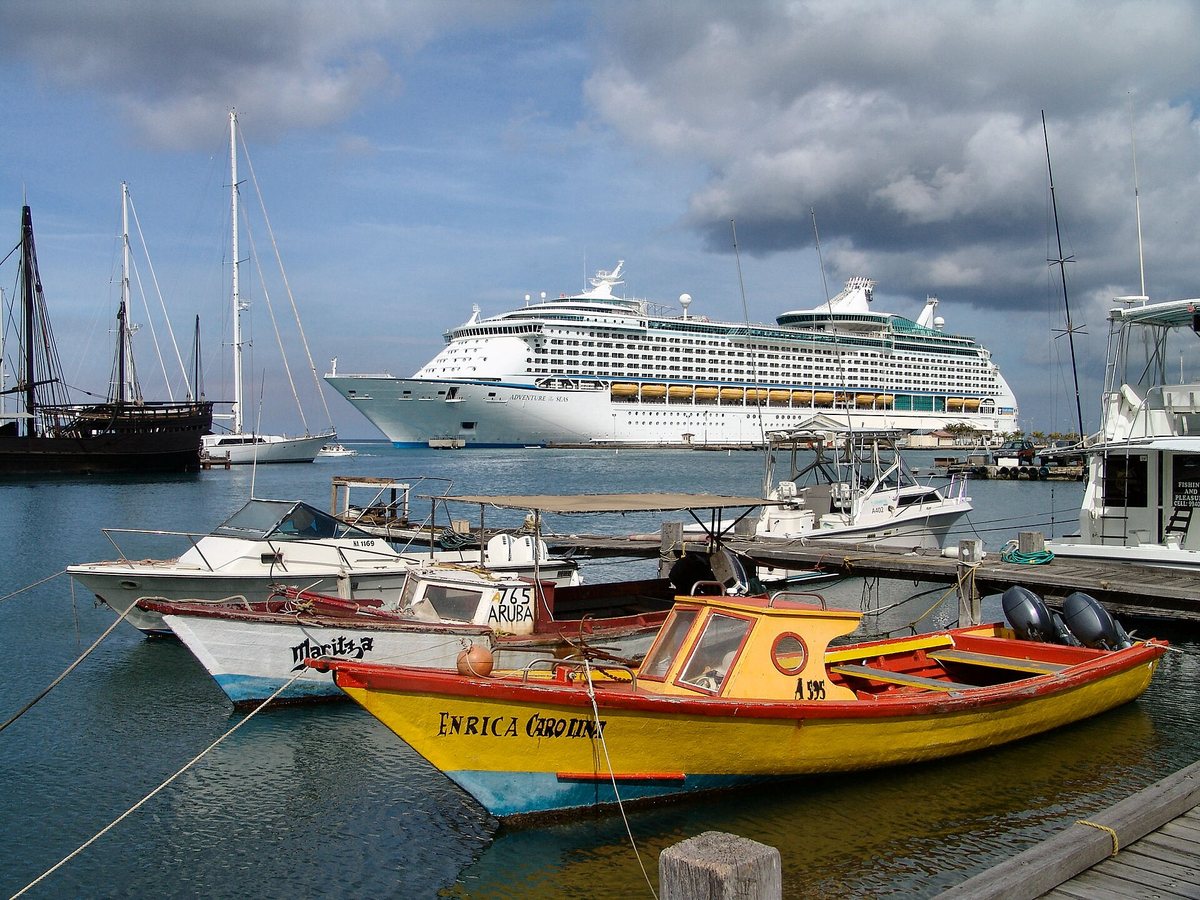
Regional collaboration will be central to a new effort to protect the Caribbean's fisheries sector from the growing effects of climate change, according to the Food and Agriculture Organization's top official for the sub-region.
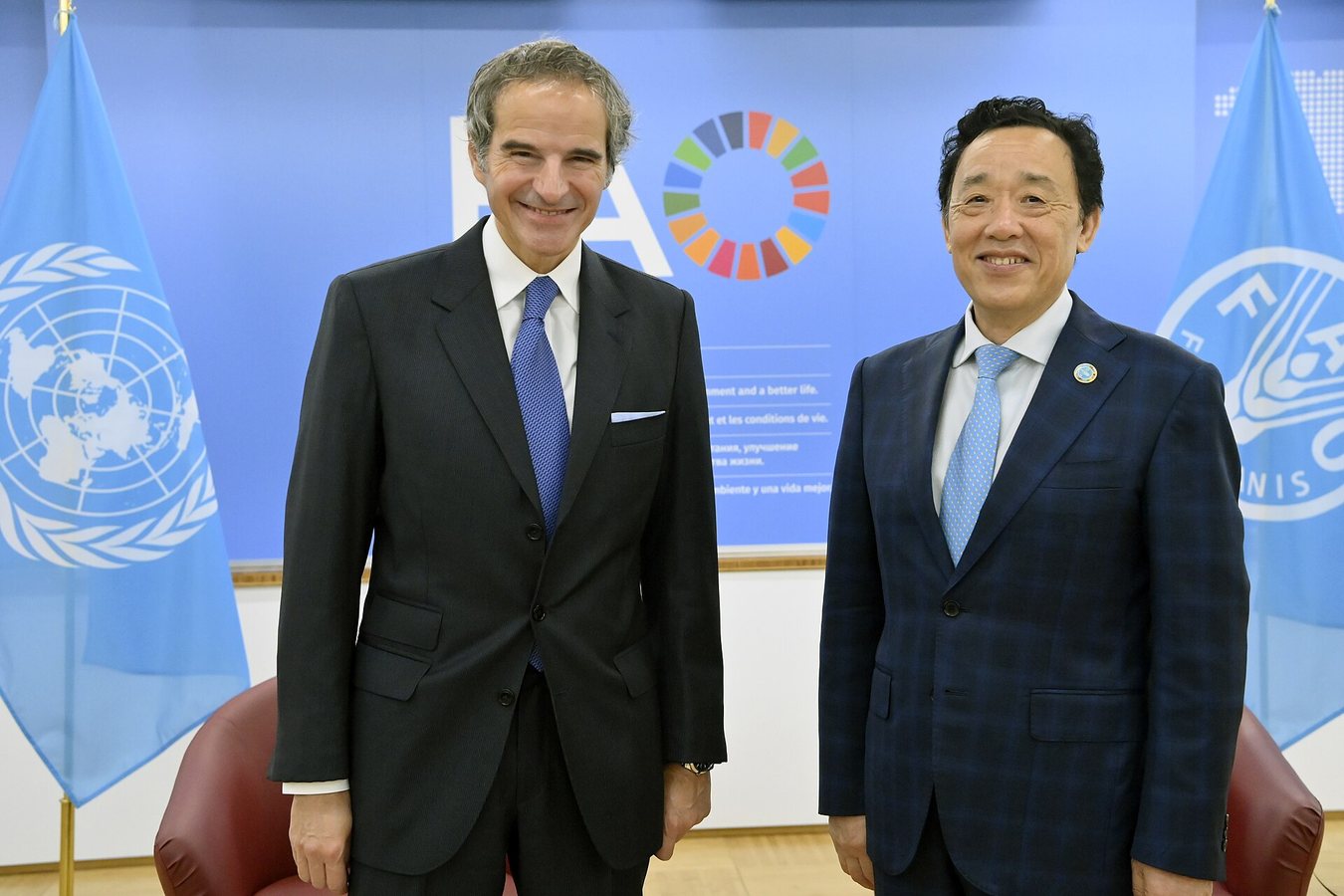
Dr. Renata Clarke, FAO Sub-Regional Coordinator for the Caribbean, underscored the importance of countries working together as she addressed the Climate Change Resilience in the Caribbean initiative, a programme aimed at strengthening the fisheries sector against climate-related threats.
Clarke's remarks place fisheries at the centre of the Caribbean's climate adaptation agenda, at a time when warming seas, stronger storms and shifting fish stocks are putting pressure on the region's fishers and coastal communities.
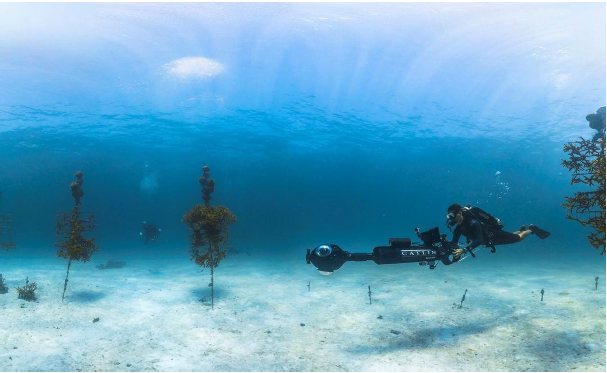
Fisheries remain a vital source of food, employment and income across the Caribbean, supporting fishers, vendors and families from Dominica to Trinidad and Tobago. The sector is also one of the most exposed to climate change, with hurricanes, coastal erosion and changing ocean conditions threatening boats, gear, landing sites and the marine ecosystems on which fishing depends.
The initiative is designed to build resilience across the region, and Clarke's emphasis on cooperation reflects a recognition that no single island can address these challenges alone. Shared research, coordinated early warning systems, joint training and pooled resources are among the areas where regional approaches can deliver results that individual countries would struggle to achieve on their own.
For Dominica, the stakes are direct. Fishing is part of daily life in coastal villages from Portsmouth to Grand Bay and the Kalinago Territory, and the island's fishers have repeatedly felt the impact of severe weather on their livelihoods. Strengthening the sector's ability to withstand climate shocks is closely tied to national food security and rural employment.
The FAO has worked with Caribbean governments on fisheries management, data collection and climate adaptation in the past, and the new initiative continues that engagement at a regional level. Clarke's intervention signals that the organisation sees collaboration between member states as the most effective route to protecting the sector.
Details of the initiative's programme and participating countries are expected to emerge as the effort moves forward. What is already clear is that the region's fisheries ministers and agencies will be asked to align their efforts more closely, sharing expertise and resources in the face of a common threat.
For Caribbean fishers, the practical test will be whether regional cooperation translates into stronger boats, safer harbours, better forecasting and more secure markets. Clarke's message is that those outcomes depend on the region acting as one.